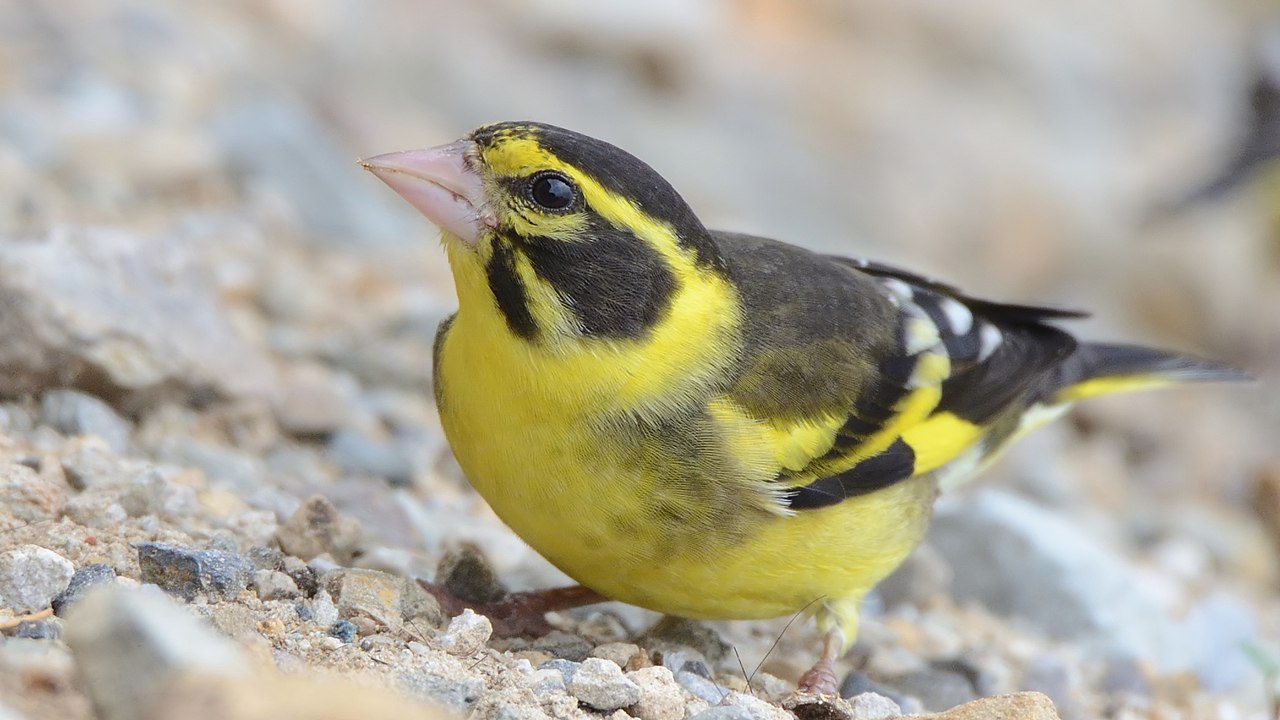
The yellow-breasted chat is a large songbird found in America, and is the only member of the family Icteriidae. It was once a member of the New World warbler family Parulidae, but in 2017, the American Ornithological Society moved it to its own family. Its placement is not definitively resolved.
Region
North America and Central America
Typical Environment
Breeds widely across southern Canada and much of the United States into northern Mexico, favoring dense shrubby habitats and riparian tangles. Winters primarily in Mexico and parts of Central America, especially along brushy edges and second-growth. Prefers overgrown fields, hedgerows, regenerating clearcuts, and streamside thickets with ample cover. Often occupies ecotones where forest meets open country, using dense vegetation for nesting and foraging.
Altitude Range
Sea level to 2500 m
Climate Zone
Temperate
Ease of Keeping
Beginner friendly: 1/5
The yellow-breasted chat is the sole member of the family Icteriidae, having been split from the New World warblers in 2017. Males deliver a remarkable medley of whistles, chuckles, and harsh chatters, often from concealed perches and sometimes even at night. They are notorious skulkers of dense thickets and will perform fluttering display flights during courtship.




Eating a small snail in a public plaza in New York City
Temperament
secretive and territorial
Flight Pattern
short rapid wingbeats with low, bounding flights
Social Behavior
Typically solitary or in pairs during the breeding season, with males defending territories vigorously from dense cover. Nests are cup-shaped and placed low in thick shrubs or tangles. Outside of breeding, may join loose mixed flocks in brushy habitats during migration or winter.
Migratory Pattern
Seasonal migrant
Song Description
A varied, rhythmic jumble of whistles, clacks, buzzes, and chatters delivered from cover or during display flights. Males often sing at dawn and occasionally at night, with phrases repeated and mixed unpredictably.
Plumage
Olive-green upperparts with a bright yellow throat and breast, fading to whitish or grayish on the belly. Feathers are smooth and sleek, with a relatively long tail often flicked in agitation. The face shows bold contrast with white spectacles and malar markings.
Diet
Consumes a wide array of insects such as beetles, caterpillars, grasshoppers, and true bugs, as well as spiders. Supplements its diet with berries and small fruits, especially in late summer, fall, and winter. Will occasionally glean from foliage, probe into tangles, and sally out to catch flying prey.
Preferred Environment
Forages within dense shrubs, brambles, and riparian thickets, often close to the ground to mid-shrub level. Uses cover extensively, moving methodically through vegetation and along edges where insects and berries are abundant.