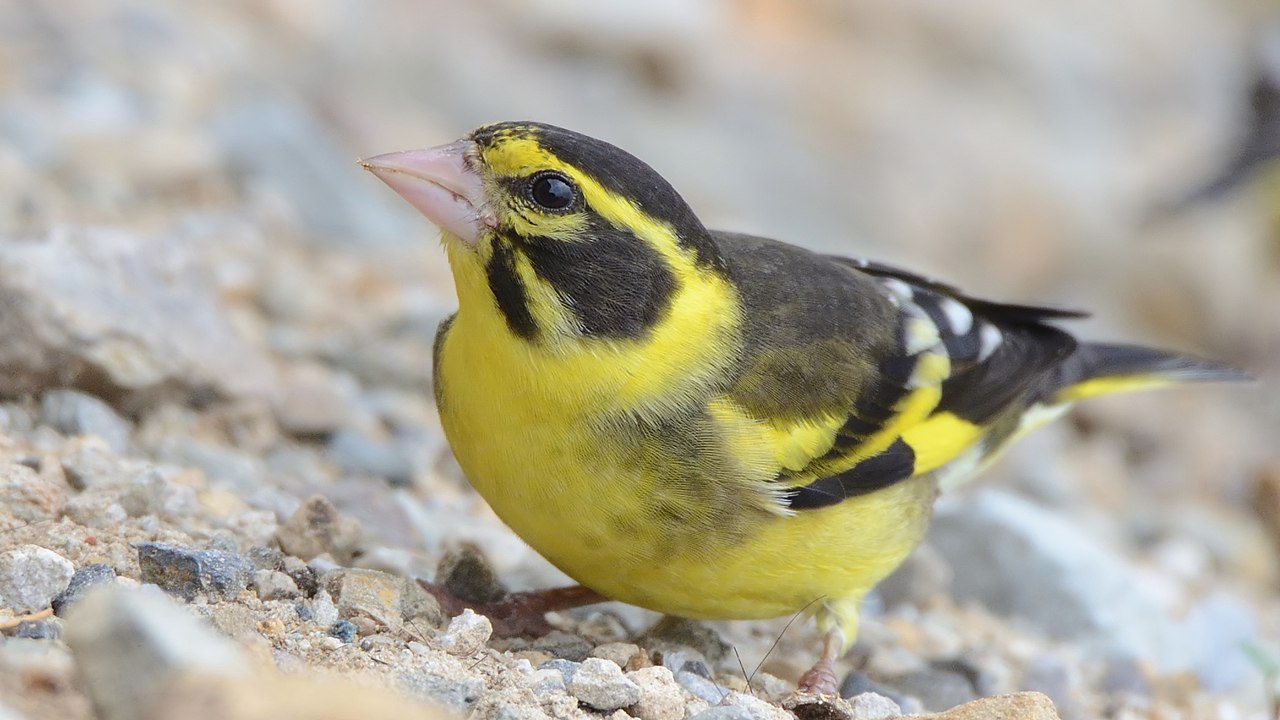
The yellow-breasted forest robin, also known as the eastern forest robin, is a species of passerine bird in the family Muscicapidae that is found at low levels in forests from Cameroon and Gabon to DR Congo, Congo and Uganda. In 1999 it was recommended that it should be treated as a separate species instead of a subspecies.
Region
Central African lowland rainforests
Typical Environment
Occurs from southern Cameroon and Gabon east through the Republic of the Congo and the Democratic Republic of the Congo to western Uganda. It inhabits the shaded understory of primary and mature secondary rainforest, especially near streams, vine tangles, and dense thickets. Birds keep to low perches and the leaf-litter zone, moving quietly through cover. It is typically absent from open habitats and heavily degraded forest.
Altitude Range
Sea level to 1200 m
Climate Zone
Tropical
Ease of Keeping
Beginner friendly: 1/5
A shy understory songbird of Central African rainforests, the yellow-breasted forest robin is often detected by its soft, whistled song before it is seen. It forages close to the ground in dim, tangled vegetation and along streams. Formerly treated as part of the forest robin complex, it has been recognized by many authorities as a distinct species since the late 1990s.

Temperament
shy and skulking
Flight Pattern
short rapid wingbeats between low perches
Social Behavior
Usually found singly or in pairs, maintaining small territories in dense understory. Pairs are monogamous during the breeding season and nest low in shrubs or near the ground. Occasionally joins mixed-species flocks along shady stream corridors.
Migratory Pattern
Resident
Song Description
A soft, clear series of whistled phrases, often descending and repeated from concealed perches. Calls include thin ‘tsit’ notes given during foraging and contact.
Plumage
Olive to olive-brown upperparts with bright yellow underparts that extend from throat through breast to belly; neat, sleek plumage suited to dense understory. Subtle pale eye-ring and slightly paler lower belly may be present.
Diet
Takes small insects and other arthropods such as beetles, ants, spiders, and caterpillars. Gleans from foliage and dead leaves, flicks through leaf litter, and makes short sallies to snatch prey from low vegetation. May occasionally take small berries when in season.
Preferred Environment
Forages within dense, shaded understory, especially along streams, in vine tangles, and at forest edges inside intact woodland. Often works along fallen logs, root buttresses, and sapling thickets where prey concentrates.