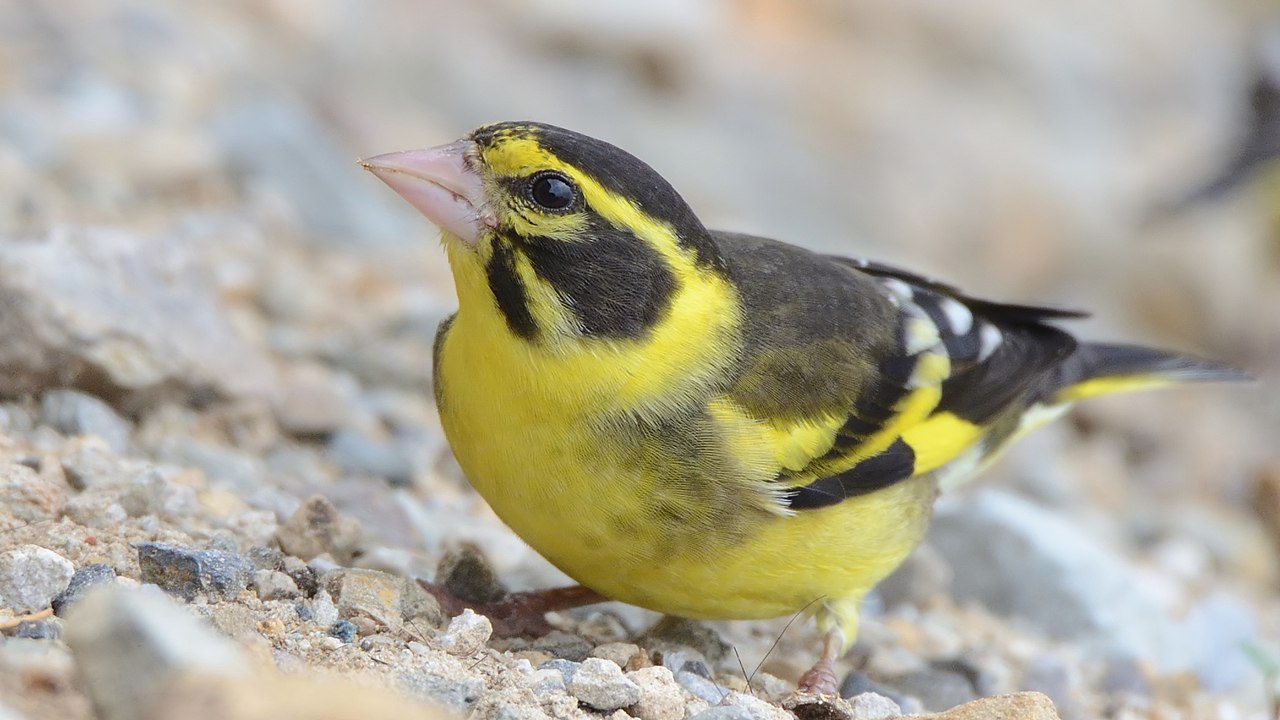
The yellow-breasted flowerpecker is a species of bird in the family Dicaeidae. It is found in Brunei, Indonesia, Malaysia, Myanmar, Singapore, and Thailand. Its natural habitats are subtropical or tropical moist lowland forest and subtropical or tropical moist montane forest.
Region
Southeast Asia
Typical Environment
Found in Brunei, Indonesia (including Sumatra and Borneo), Malaysia, Singapore, southern Myanmar, and Thailand. It inhabits subtropical and tropical moist lowland forests and extends into lower montane forests. The species frequents forest edges, selectively logged and secondary forests, and gardens with fruiting trees. It often concentrates where mistletoe and other small fruits are abundant and may descend to lower strata at fruiting shrubs.
Altitude Range
Sea level to 1600 m
Climate Zone
Tropical
Ease of Keeping
Beginner friendly: 1/5
This tiny fruit specialist is an important disperser of mistletoe and other small-seeded plants in Southeast Asian forests. It forages quickly through the canopy and midstory and is often detected by its thin, high-pitched calls. Males are typically brighter than females, with more vivid yellow underparts and a crisper wing panel. It readily joins mixed-species flocks around fruiting trees.

Temperament
social and active
Flight Pattern
short rapid wingbeats
Social Behavior
Typically in pairs or small family groups and frequently joins mixed-species flocks around fruiting trees. Nests are small purse- or pouch-like structures suspended from foliage and bound with spider silk and plant fibers. Both sexes may contribute to nest building and care for young.
Migratory Pattern
Resident
Song Description
A series of thin, high-pitched whistles and short, tinkling notes. Calls are sharp and sibilant, often given in quick sequences while foraging.
Plumage
Compact, short-tailed flowerpecker with olive-green upperparts and bright yellow underparts. Wings are dark with a small pale panel or spots on the coverts; tail short and dark. Bill is short, thick, and slightly decurved.
Diet
Primarily consumes small berries and drupes, especially mistletoe fruits, as well as figs and other soft fruits. It also takes nectar and occasionally small insects or arthropods. By swallowing fruits whole and regurgitating or defecating seeds, it serves as an effective seed disperser.
Preferred Environment
Feeds mainly in the forest canopy and midstory, visiting fruiting trees and mistletoe clumps. It also forages along forest edges, in secondary growth, and in gardens with suitable fruit sources.