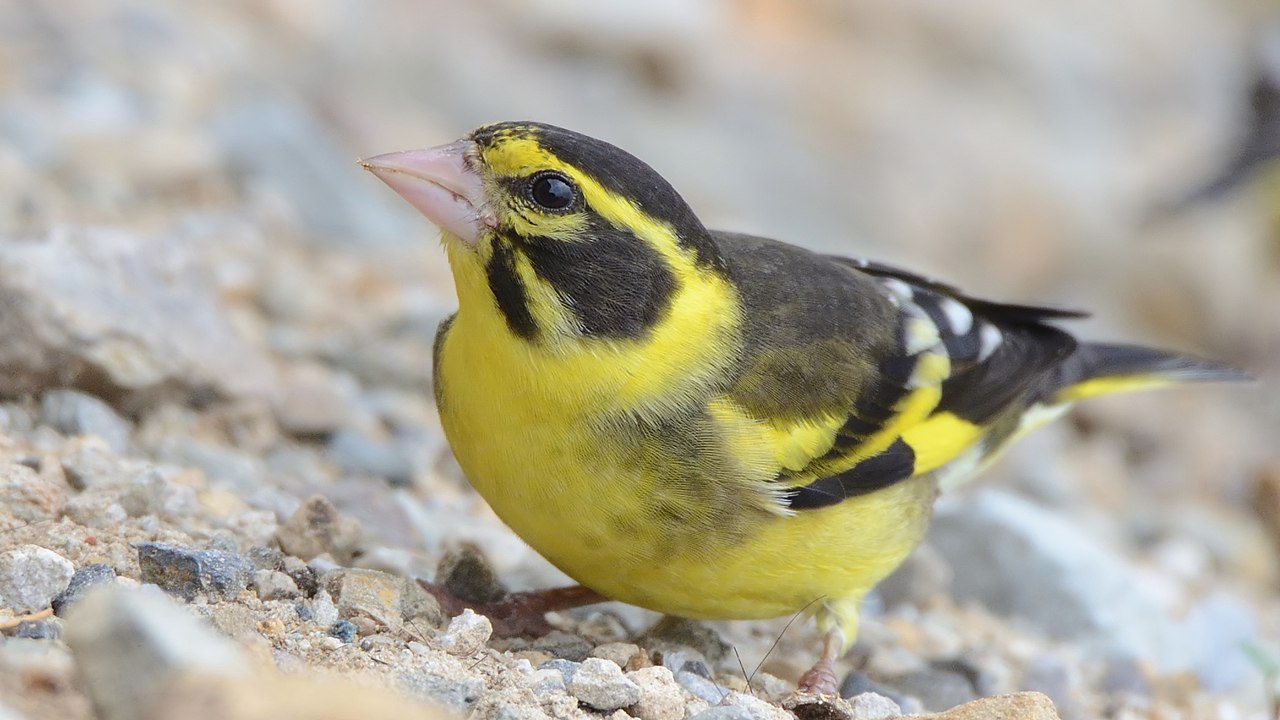
The yellow-breasted crake is a species of bird in the subfamily Rallinae of family Rallidae, the rails, gallinules, and coots. It is found on several Caribbean islands and in most of Central America and South America.
Region
Neotropics (Caribbean, Central and South America)
Typical Environment
Widely distributed from southern Mexico through Central America and across much of northern and central South America, and on several Caribbean islands. It occupies freshwater marshes, wet meadows, rice paddies, and grassy margins of ponds and slow backwaters. The species favors dense emergent vegetation such as sedges and grasses, often where shallow water and floating mats are present. It is patchy but locally common where suitable habitat persists.
Altitude Range
Sea level to 1800 m
Climate Zone
Tropical
Ease of Keeping
Beginner friendly: 1/5
A tiny, secretive rail of marshes and rice fields, the yellow-breasted crake is far more often heard than seen. It walks deftly across floating vegetation with long toes and will freeze or slip into cover at the slightest disturbance. Playback often elicits a rapid trill or chattering response. Nests are shallow cups hidden in dense grasses above water.


Temperament
secretive and skulking
Flight Pattern
short rapid wingbeats, low over vegetation
Social Behavior
Typically seen singly or in pairs, occasionally with family groups after breeding. Nests are concealed cups in dense marsh vegetation, usually just above shallow water. Clutches are moderate in size, and both parents likely share incubation and chick care.
Migratory Pattern
Resident
Song Description
A rapid, trilling chatter and sharp tic or kit notes, often given at dawn, dusk, and night. Vocalizations carry through dense marsh and are the primary cue to its presence.
Plumage
Warm brown upperparts with darker mottling, rich yellow underparts, and boldly barred black-and-white flanks; tail often cocked, showing whitish undertail coverts.
Diet
Takes small aquatic and terrestrial invertebrates such as insects, spiders, and snails, and also consumes seeds and other plant material. Forages by picking from the surface of mud and vegetation and probing lightly in soft substrates. Opportunistically feeds on grains in rice fields.
Preferred Environment
Feeds along the edges of shallow water within dense sedges, grasses, and floating mats. Frequently uses rice paddies, marshy pastures, and weedy pond margins where cover is close at hand.