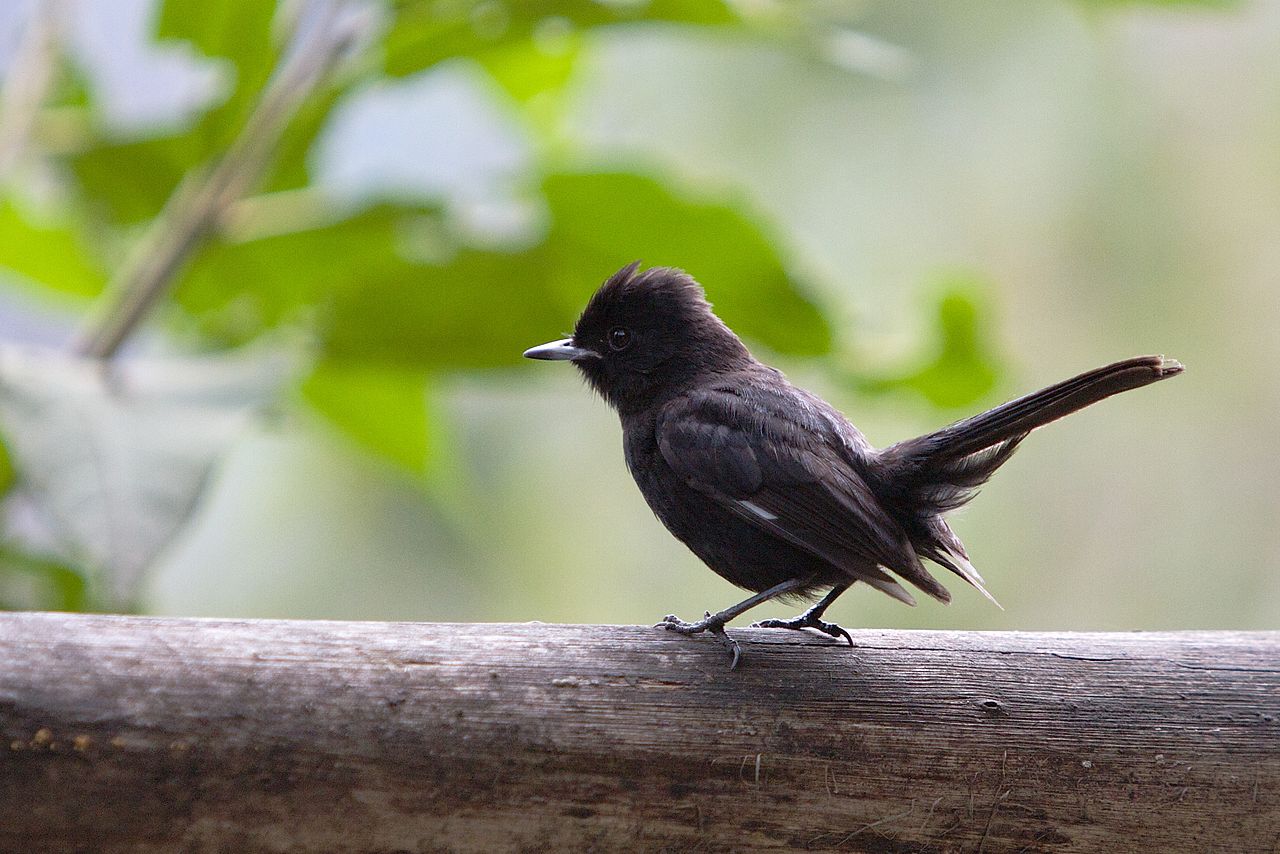
The white-whiskered laughingthrush or Formosan laughing thrush is a species of bird in the family Leiothrichidae. It is endemic to montane forests of the island of Taiwan.
Region
Taiwanese Central Mountain Range
Typical Environment
Occurs in montane evergreen broadleaf and mixed conifer forests, forest edges, and dense shrublands. It frequents bamboo thickets and secondary growth, and readily uses disturbed habitats along trails and picnic areas. Typically forages on or near the ground, moving through leaf litter and low understory. It is widespread across the island’s higher mountains where dense cover is available.
Altitude Range
1200–3600 m
Climate Zone
Highland
Ease of Keeping
Beginner friendly: 2/5
Also known as the Formosan laughingthrush, it is remarkably tame around popular mountain resorts in Taiwan and often approaches hikers. Its common name refers to the bold white “whiskers” formed by the malar stripes on its face. The species name honors Taiwan’s highest peak, Yushan (formerly Mt. Morrison). Flocks are noisy and often deliver chorus-like bouts of chattering, whistling calls.

Temperament
social and confiding
Flight Pattern
short rapid wingbeats
Social Behavior
Usually found in small, noisy flocks or family parties that move together through dense understory. Pairs are monogamous and nest low in shrubs or bamboo, building a cup-shaped nest. They show cooperative vigilance while foraging and can become habituated to people in tourist areas.
Migratory Pattern
Resident
Song Description
Vocalizations are a series of loud, bubbling whistles and chuckling notes that can sound like laughter. Flocks often call antiphonally, creating a chorus that carries through montane valleys. Softer contact calls keep groups coordinated while foraging.
Plumage
Warm brown body with olive tones, grayish head and nape, and a dusky facial mask set off by bold white malar ‘whisker’ stripes. Throat is paler, with rufous-brown wings and tail; underparts are brownish with slight scaling. Feathers appear soft and dense, aiding its skulking habits in thick cover.
Diet
Consumes insects and other invertebrates gleaned from leaf litter and low foliage, including beetles, caterpillars, and spiders. Also takes fruits, berries, and seeds, especially when insect prey is scarce. Will opportunistically pick at human food scraps near picnic areas.
Preferred Environment
Feeds primarily on the forest floor and in dense understory, including bamboo tangles and forest edges. Common along roadsides and trails where leaf litter and shrub cover are abundant.