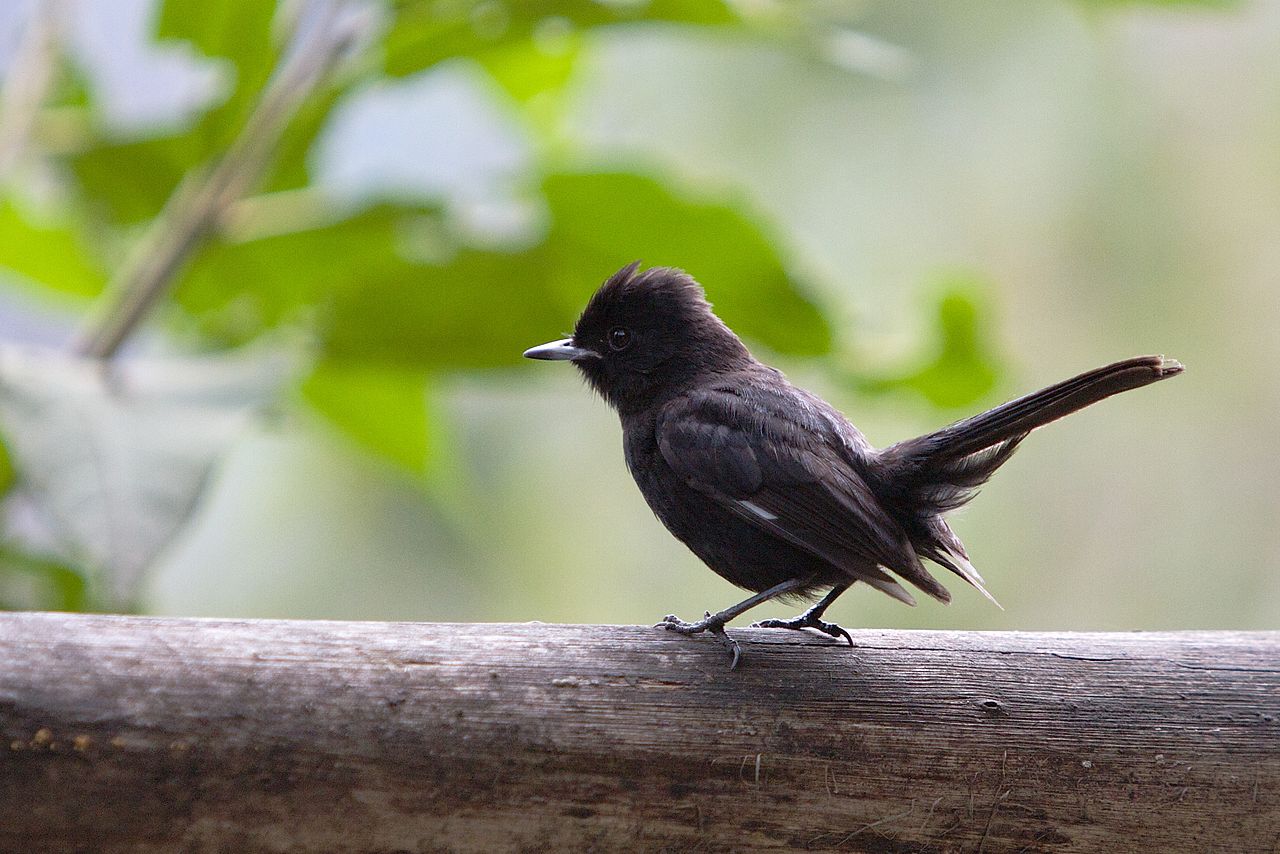
The white-whiskered spinetail is a species of bird in the Furnariinae subfamily of the ovenbird family Furnariidae. It is found in Colombia and Venezuela.
Region
Caribbean coast of northern South America
Typical Environment
Occurs along the Caribbean lowlands of northern Colombia and northwestern Venezuela, especially in xeric and semi-xeric zones. It favors thorn scrub, dry deciduous woodland edges, cacti-dominated brush, and second growth with scattered shrubs. It also uses fencerows, overgrown pastures, and road margins where dense tangles persist. The species keeps close to cover and rarely ventures into closed forest.
Altitude Range
Sea level to 800 m
Climate Zone
Arid
Ease of Keeping
Beginner friendly: 1/5
This spinetail is a furnariid specialized for life in dry scrub, often keeping its tail cocked as it flicks through thorny vegetation. Pairs maintain year-round territories and build bulky twig nests with side entrances. Its sharp, chattering song carries surprisingly far in the quiet of arid habitats.


Illustration by Joseph Smit, 1874

Temperament
skulking and territorial
Flight Pattern
short rapid wingbeats, low over scrub
Social Behavior
Usually found singly or in pairs that defend small territories year-round. Pairs communicate frequently and may duet. They build bulky twig nests with side entrances in dense shrubs or low trees and typically raise small clutches.
Migratory Pattern
Resident
Song Description
Song is a sharp, dry chatter or series of ticking notes accelerating into a rattle. Calls include scolds and metallic chips, given frequently while foraging in cover.
Plumage
Brown to gray-brown upperparts with a contrasting rufous crown, wings, and long graduated tail; whitish throat grading to grayish underparts. Face is darker with crisp white moustachial 'whiskers' and a faint pale supercilium. Feathers often appear slightly worn at the edges in arid habitats, emphasizing rufous tones in the tail and wings.
Diet
Primarily takes insects and other small arthropods such as spiders and beetles. Gleans from leaves, twigs, and bark, often prying into curled leaves and dead foliage. Occasionally snatches prey from the ground or makes short sallies within dense shrubs.
Preferred Environment
Feeds within dense thorn scrub, cactus thickets, and brushy edges, typically from near ground level to the mid-shrub layer. Often works along tangles, fencerows, and hedgerows where leaf litter and dead fronds accumulate.