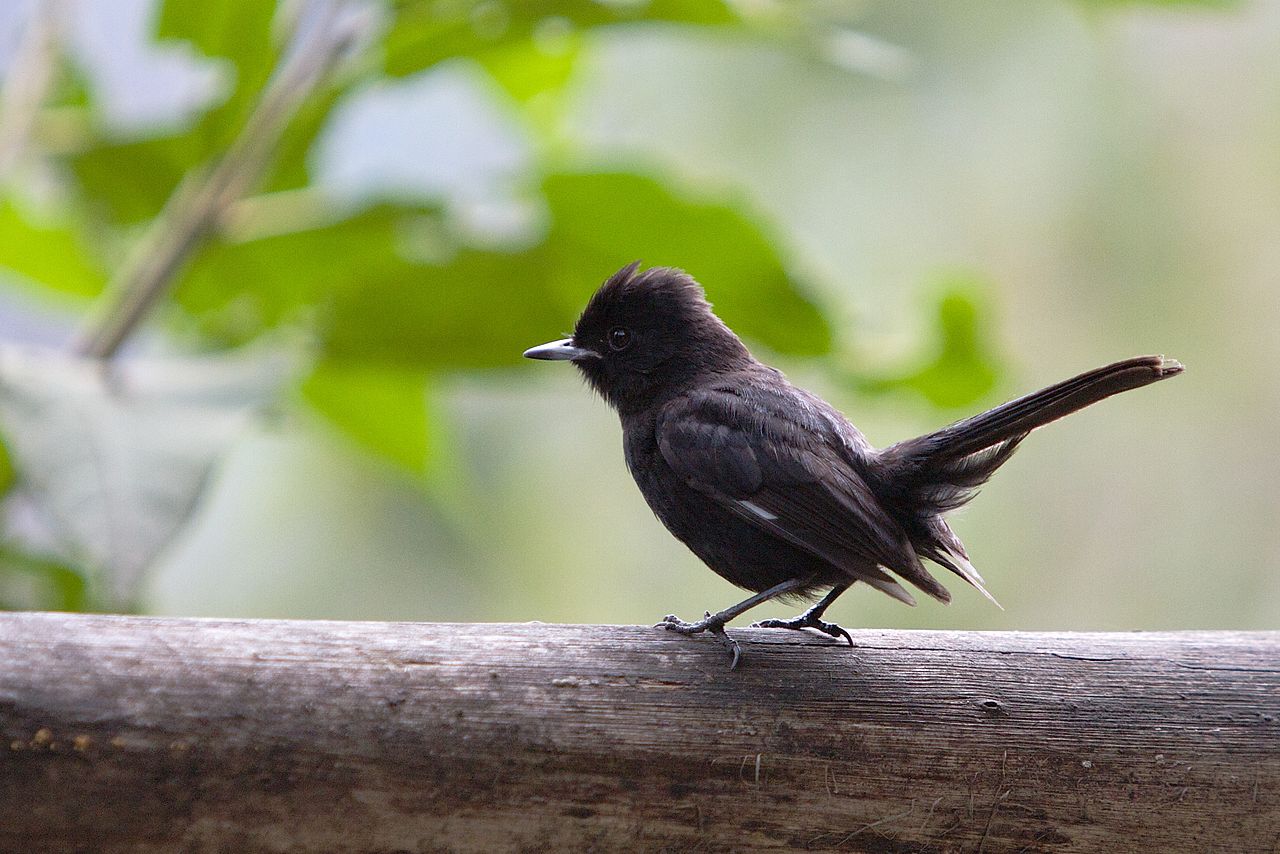
The white-winged apalis is a species of bird in the family Cisticolidae. It is found in Kenya, Malawi, Mozambique, and Tanzania. Its natural habitats are subtropical or tropical moist lowland forest and subtropical or tropical moist montane forest. It is threatened by habitat loss.
Region
East Africa
Typical Environment
Occurs patchily in Kenya, Tanzania, Malawi, and Mozambique, primarily in subtropical and tropical moist lowland and montane evergreen forests. It favors tall forest, edges, and mature secondary growth, moving through the mid- to upper canopy. Birds also use riverine forest strips and densely vegetated gullies where intact broadleaf cover persists. Habitat fragmentation limits dispersal between forest patches, contributing to local rarity.
Altitude Range
Sea level to 2000 m
Climate Zone
Tropical
Ease of Keeping
Beginner friendly: 1/5
A small, canopy-loving warbler of the family Cisticolidae, the white-winged apalis is notable for the male’s bold white wing patch that flashes in flight. It inhabits fragmented lowland and montane moist forests of East Africa and often joins mixed-species flocks. Its specialized forest habits make it highly sensitive to logging and agricultural encroachment. Conservation actions focus on safeguarding remaining coastal and montane forest blocks.

Temperament
active and somewhat secretive
Flight Pattern
short rapid wingbeats between cover
Social Behavior
Usually seen in pairs or small family groups and frequently joins mixed-species foraging flocks in the canopy. Likely monogamous, with cup-shaped nests placed in dense foliage. Territorial during breeding but tolerant of other small insectivores when feeding.
Migratory Pattern
Resident
Song Description
A series of high, thin whistles and short trills, often delivered from concealed perches. Pairs may engage in antiphonal duets, giving quick, repetitive phrases that carry through forest edges.
Plumage
Male shows bold black-and-white contrast with a conspicuous white wing patch and white tail edges; female is more subdued with olive-green upperparts and pale yellowish to whitish underparts. Both sexes are slim, with a fine bill and sleek plumage suited to canopy foraging.
Diet
Primarily takes small arthropods such as caterpillars, beetles, flies, and spiders. Gleans from leaves and twigs, probes clusters of dead leaves, and occasionally makes short sallies to snatch flying insects. Foraging is quick and methodical, often coordinated with mixed flocks to exploit disturbed prey.
Preferred Environment
Feeds mostly in the mid- to upper canopy of mature forest, along edges, and in tall secondary growth. Also uses vine tangles and riverine thickets where insect prey is abundant.