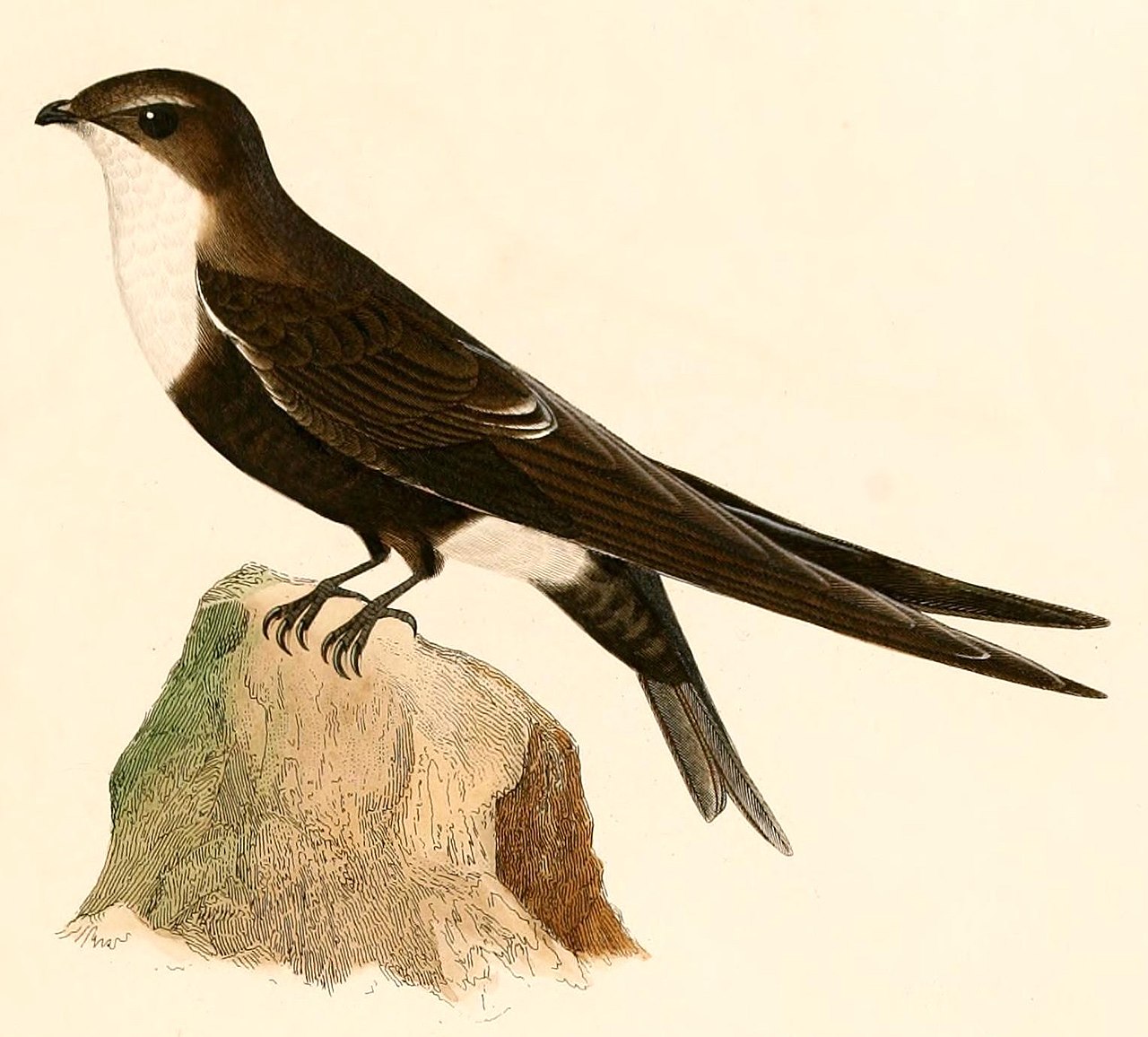
The white-tipped quetzal is a species of bird in the family Trogonidae found in Venezuela, Colombia, and Guyana. Two subspecies have been described. Pharomachrus fulgidus fulgidus is found in the mountains of northern Venezuela and Pharomachrus fulgidus festatus ranges through the Santa Marta mountains of northeast Colombia. Quetzals are iridescent and colourful birds found in forests, woodlands and humid highlands. The white-tipped quetzal has been a limited subject of research. Pharomachrus nests have been studied to analyse the effects of rainfall on breeding, however conclusions are based on single observations. On the IUCN Red list of threatened species, the white-tipped quetzal is listed as a species of least concern.
Region
Northern South America
Typical Environment
Occurs primarily in the mountains of northern Venezuela, the Sierra Nevada de Santa Marta in northeast Colombia, and locally in adjacent tepui highlands where suitable habitat persists. It favors mature cloud forests with abundant epiphytes and fruiting trees, especially lauraceous species. Birds use forest edges, ravines, and natural gaps but remain closely tied to closed-canopy, mossy montane forest. Nesting typically occurs in soft, decaying trunks or stumps within humid forest interiors.
Altitude Range
1200–2700 m
Climate Zone
Highland
Ease of Keeping
Beginner friendly: 1/5
This colorful quetzal is part of the trogon family and inhabits humid montane forests in northern South America. Two subspecies are recognized: P. f. fulgidus in northern Venezuela and P. f. festatus in the Sierra Nevada de Santa Marta of northeast Colombia. Despite its striking appearance, it remains poorly studied; most breeding and ecology notes come from sparse observations. It is currently assessed as Least Concern on the IUCN Red List.


White-tipped Quetzal

Temperament
shy and unobtrusive
Flight Pattern
short, direct flights with buoyant wingbeats
Social Behavior
Usually solitary or in pairs; forms pairs during the breeding season and defends small territories around nest sites and fruiting trees. Nests are excavated by both sexes in decaying stumps or soft trunks. Clutches are small, and both parents share incubation and chick-rearing duties.
Migratory Pattern
Resident
Song Description
Vocalizations are soft, mellow whistles delivered in spaced sequences, often carrying through misty forest. Calls can sound plaintive and are repeated at long intervals from concealed perches.
Plumage
Iridescent green head and upperparts with a contrasting rich crimson belly separated by a narrow white breast band; tail dark with conspicuous white tips. Feathers appear highly glossy in good light, with subtle bronzy and bluish sheens. Females are duller with more bronzy-green and a darker bill.
Diet
Primarily consumes fruits, especially from Lauraceae and other mid- to upper-canopy trees. Supplements diet with insects and other small arthropods taken by short sallies from perches. Swallows small fruits whole and may regurgitate seeds, aiding forest regeneration.
Preferred Environment
Feeds in the mid to upper canopy along forest edges, fruiting trees in gaps, and along ravines with dense epiphyte growth. Often remains motionless between feeding bouts, making brief sallies to pluck fruit.