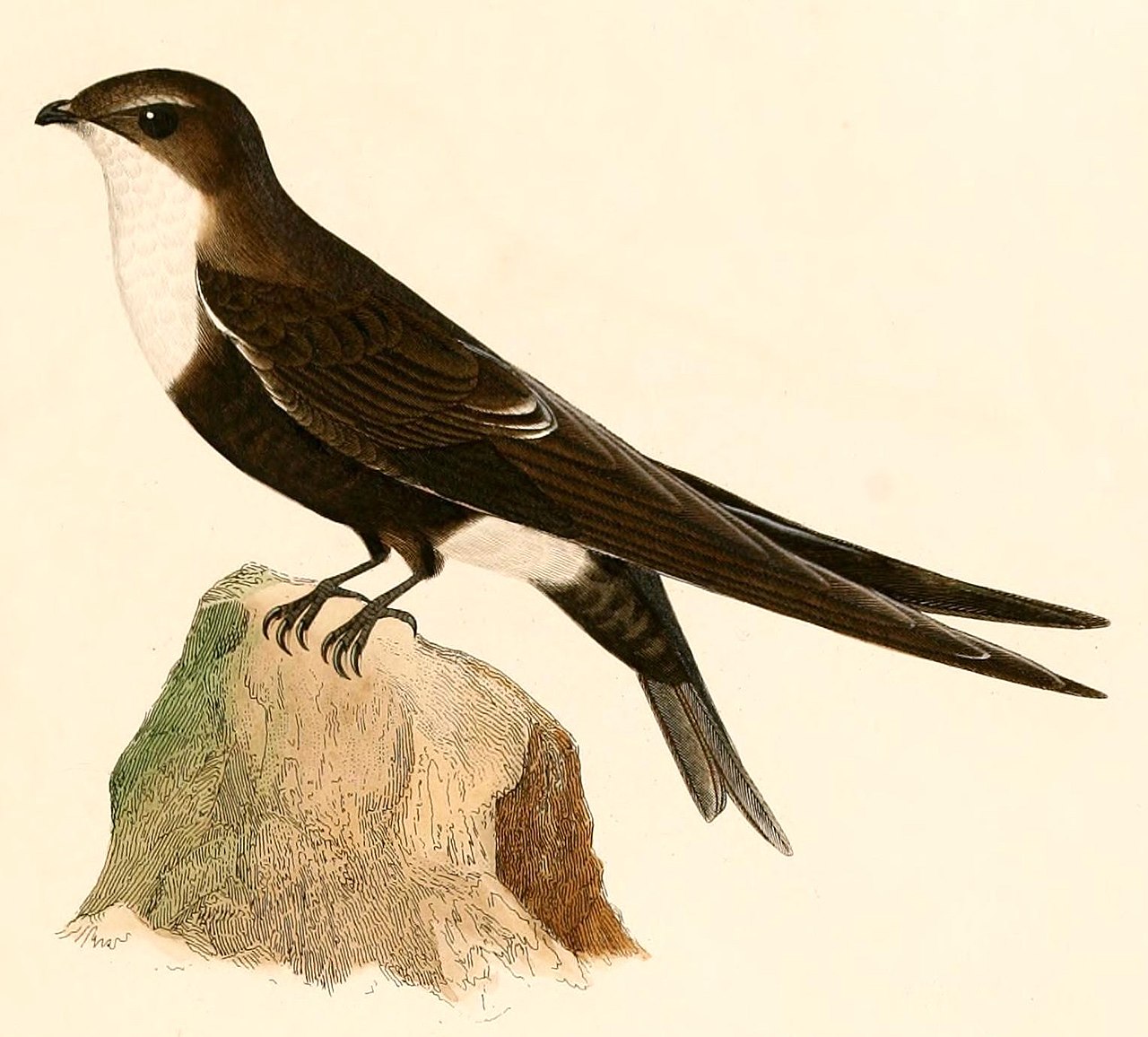
The white-tipped sicklebill is a species of hummingbird in the family Trochilidae. It is found in Colombia, Costa Rica, Ecuador, Panama, Peru, and Venezuela.
Region
Central America to the northern Andes
Typical Environment
Occurs from southern Central America (Costa Rica and Panama) into northern South America, including Colombia, Venezuela, Ecuador, and Peru. It inhabits humid lowland and foothill evergreen forests, especially along shaded ravines and stream corridors. The species favors areas with abundant tubular, curved flowers. It is most often found in forest interior and edges, occasionally visiting adjacent clearings with suitable plants.
Altitude Range
Sea level to 1800 m
Climate Zone
Tropical
Ease of Keeping
Beginner friendly: 1/5
This hummingbird’s dramatically decurved, sickle-like bill is specialized for feeding from curved flowers such as Heliconia and Centropogon. It often forages by traplining, visiting a regular circuit of flowering plants in shady forest ravines. The striking white tips on the tail are a key field mark seen in flight. Despite habitat loss in parts of its range, it is currently assessed as Least Concern.


White-tipped sicklebill

Temperament
secretive and territorial around flower patches
Flight Pattern
short rapid wingbeats with frequent hovering; quick darting flights in understory
Social Behavior
Generally solitary outside of breeding, defending rich nectar sources from intruders. Males do not assist with nesting; females build small cup nests and rear the young alone. Courtship is typical of hummingbirds with display flights and chases near feeding areas.
Migratory Pattern
Resident
Song Description
Vocalizations are soft, high-pitched chips and thin tseet notes given intermittently from shaded perches. It may add rapid, insect-like trills during interactions near feeding territories.
Plumage
Dusky olive-brown to bronzy-green upperparts with duller, streaked or mottled underparts and contrasting white tips on the outer tail feathers.
Diet
Primarily consumes nectar from curved, tubular flowers such as Heliconia and Centropogon that match its bill shape. It practices trapline foraging, visiting a repeated route of flowering plants. Small arthropods, including insects and spiders, are also taken for protein, often by gleaning or hawking.
Preferred Environment
Feeds in the shaded understory of humid forest, along streams, ravines, and forest edges with dense stands of nectar plants. It also uses second growth and gardens where suitable flowers are available.