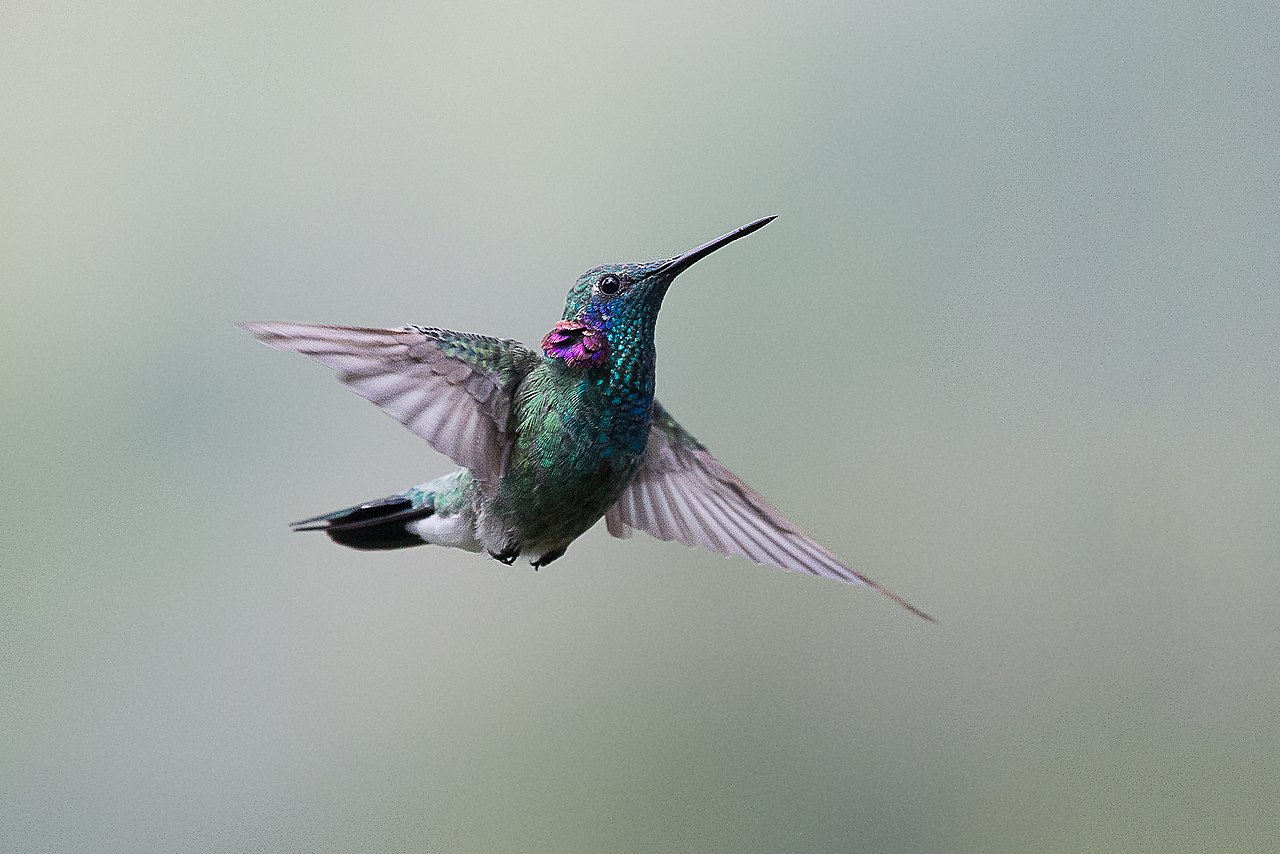
The white-vented euphonia is a species of bird in the family Fringillidae.
Region
Central America and northern South America
Typical Environment
This species inhabits lowland and foothill zones across forest edges, second growth, plantations, and suburban gardens with fruiting trees. It favors semi-open mosaics near woodland rather than deep interior forest. Birds often forage in the mid to upper canopy but readily descend to hedgerows and fruiting shrubs. They occur from the lowlands up into lower montane foothills where fruit is abundant.
Altitude Range
0–1200 m
Climate Zone
Tropical
Ease of Keeping
Beginner friendly: 1/5
White-vented Euphonias are tiny neotropical finches that specialize on small berries, especially mistletoes, helping disperse seeds in forest edges and gardens. Males and females look quite different, and the species’ namesake white vent is often flashed during short flights or courtship. They are frequently seen in pairs or small groups and may join mixed-species flocks.


Temperament
social and active
Flight Pattern
short rapid wingbeats
Social Behavior
Often seen in pairs or family groups and may associate with mixed-species flocks while foraging. Nests are small, domed structures tucked in dense foliage. Both parents typically participate in feeding the nestlings. Territorial defense is moderate, mostly around nest sites and prime fruiting trees.
Migratory Pattern
Resident
Song Description
High-pitched, thin whistles and tinkling notes delivered in short, lively phrases. Calls include sharp chips and soft twitters exchanged between pair members. The song carries well in semi-open habitats.
Plumage
Compact, glossy male with strong color contrast and a bright white vent; female is more subdued and olive with a contrasting pale vent. Feathers are smooth and sleek, giving a neat, tidy appearance.
Diet
Primarily small fruits and berries, especially mistletoes, figs, and other soft fruits which are often swallowed whole. They occasionally take small insects and spiders, particularly during the breeding season. By consuming fruits and passing seeds, they are effective seed dispersers in edge habitats.
Preferred Environment
Forages in the mid to upper canopy along forest edges, clearings, and second growth. Also frequents gardens, parks, and plantations with fruiting trees and shrubs.