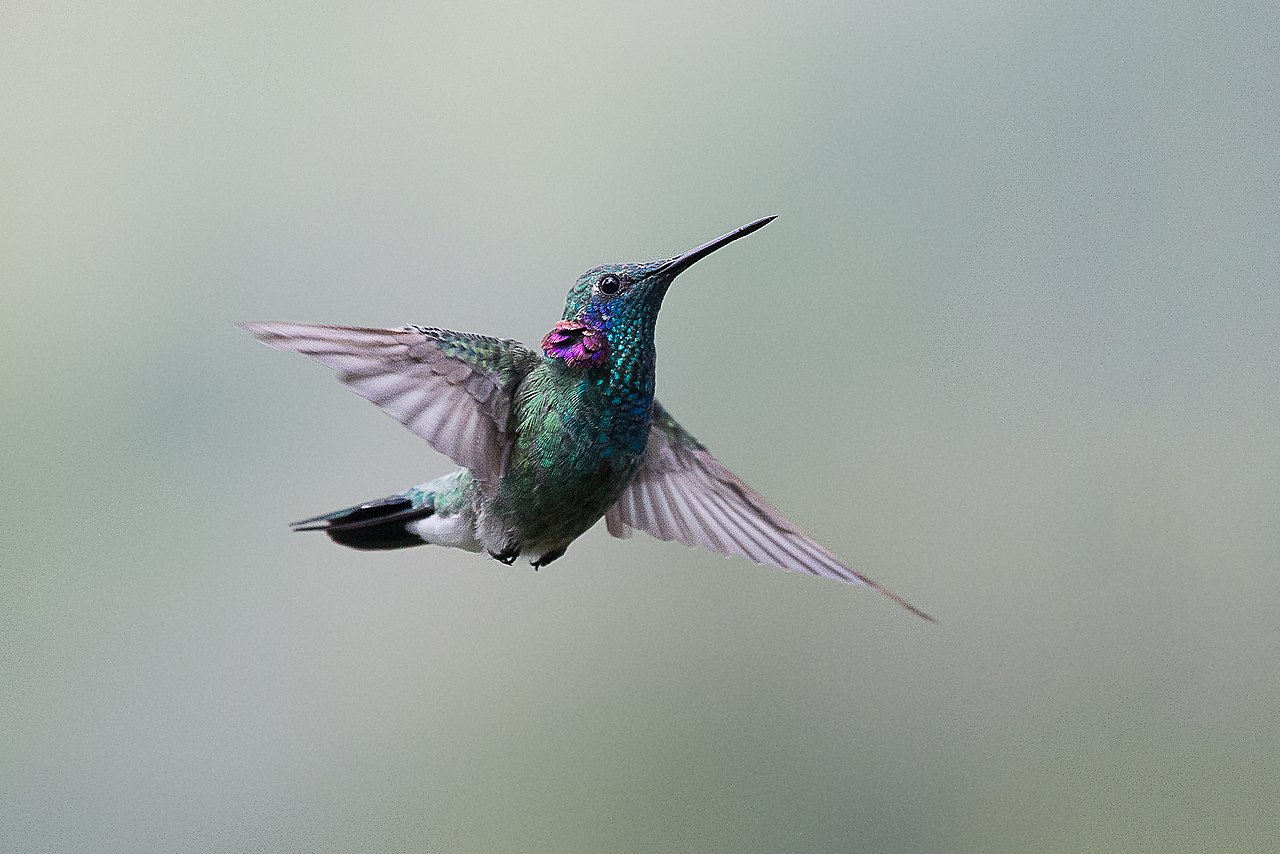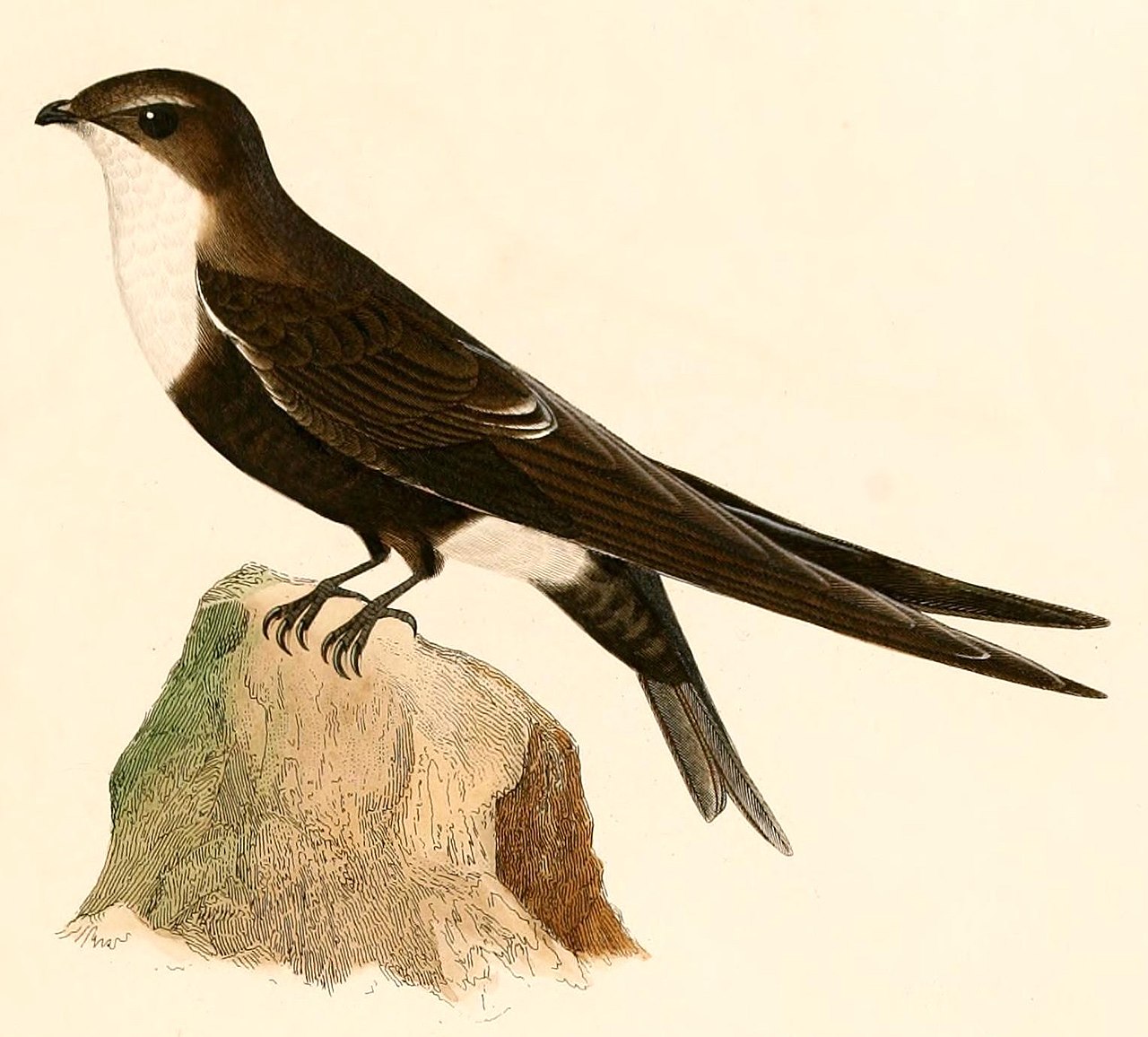
The white-tipped swift is a species of bird in subfamily Apodinae of the swift family Apodidae. It is found in Argentina, Bolivia, Brazil, Colombia, Ecuador, French Guiana, Peru, Suriname, Venezuela, and possibly Guyana.
Region
Northern Andes and the Guianas
Typical Environment
Occurs from Venezuela, Colombia and Ecuador south through Peru and Bolivia, with records in northern Argentina and parts of northern Brazil and the Guianas (French Guiana, Suriname; possibly Guyana). It favors rugged landscapes with cliffs, escarpments, and adjacent montane or foothill forests. Commonly forages over ridgelines, river valleys, and forest edges, sometimes descending to lower elevations in the Guianan shield and Amazonian foothills. Roosts and nests on sheer rock faces, ledges, or behind waterfalls where spray keeps predators at bay.
Altitude Range
300–3000 m
Climate Zone
Highland
Ease of Keeping
Beginner friendly: 1/5
This fast, sickle-winged swift spends most of its life on the wing, catching tiny insects high over mountains and forested valleys. The name refers to the narrow white tips on the wings and tail, which form a pale trailing edge in flight. It typically nests on sheer cliffs or behind waterfalls, clinging to vertical surfaces with its small but strong feet. Often joins mixed-species swift flocks, especially with larger white-collared swifts.


Temperament
social and active
Flight Pattern
very fast with rapid wingbeats and quick glides
Social Behavior
Often forms small to medium flocks and frequently associates with other swifts while foraging. Nests on cliff ledges or crevices, typically in small colonies. Pairs are monogamous during the breeding season and defend the immediate nest site on vertical rock faces.
Migratory Pattern
Resident
Song Description
Vocalizations are high, thin chips and rapid twittering notes given in flight. Calls carry well over valleys and are most noticeable near colonies and during active foraging.
Plumage
Mostly sooty to blackish-brown with a subtle gloss; distinctive narrow white tips to the secondaries and tail create a pale trailing edge. Underparts are uniformly dark with a slightly paler throat. Wings are long and scythe-shaped; tail moderately notched.
Diet
Feeds almost exclusively on flying insects such as flies, beetles, and winged ants. Captures prey on the wing in open airspace above ridges, forest canopies, and river corridors. Foraging height varies from canopy level to high over peaks, adjusting to insect swarms and weather conditions.
Preferred Environment
Hunts above cliffs, forested slopes, and open valleys, often where updrafts concentrate aerial insects. Frequently follows ridge lift and can be seen coursing along escarpments and over waterfalls.