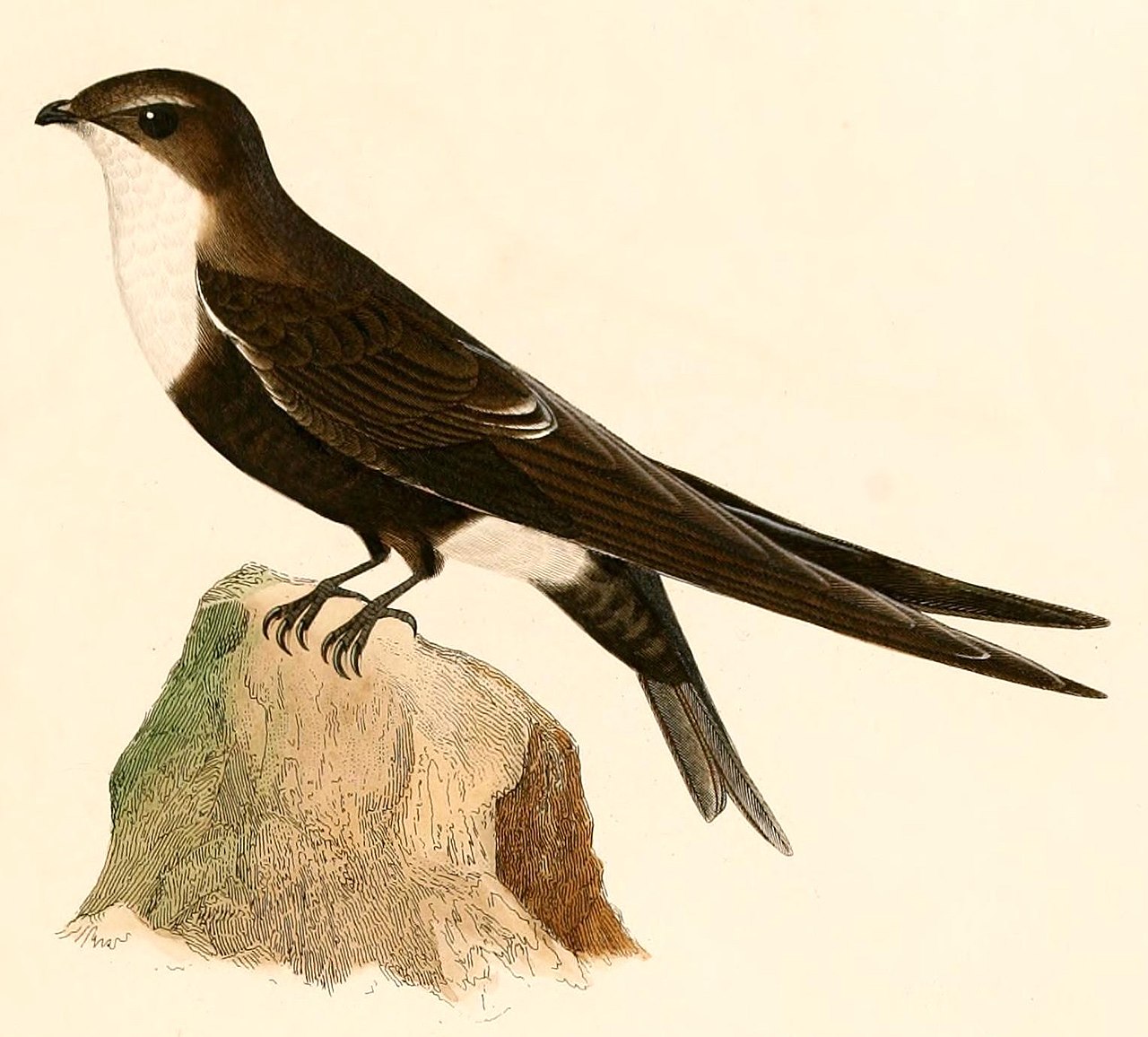
The white-tipped plantcutter is a species of bird in the family Cotingidae, the cotingas. It is found in Argentina, Bolivia, Paraguay, Uruguay, and as a vagrant to Brazil and Chile.
Region
Southern South America
Typical Environment
Occurs in Argentina, Bolivia, Paraguay, and Uruguay, with vagrants recorded in Brazil and Chile. Inhabits dry to semi-humid open woodlands, Chaco scrub, shrublands, hedgerows, and edges of agricultural areas. Common along forest margins, riparian thickets, and in towns and parks with abundant shrubs. Generally sedentary, but may wander locally following food availability. Tolerates fragmented habitats as long as browseable vegetation is present.
Altitude Range
Sea level to 2500 m
Climate Zone
Temperate
Ease of Keeping
Beginner friendly: 1/5
Plantcutters are among the few largely folivorous passerines, using a serrated, scissor-like bill to clip leaves, buds, and flowers. The male often flashes the species’ namesake white wing tips during display flights. They adapt well to semi-open country and can occasionally be seen in gardens and orchards. Their browsing can noticeably prune shrubs, sometimes earning them a reputation as garden pests.


Temperament
generally unobtrusive but can be confiding
Flight Pattern
short rapid wingbeats with brief glides; bounding undulations between perches
Social Behavior
Usually seen singly or in pairs during the breeding season; small loose groups may form where food is abundant. Likely monogamous, with a cup nest placed low to mid-level in shrubs or small trees. Typical clutch is 2–3 eggs; the female incubates while the male remains nearby, and both parents feed the nestlings by regurgitating plant material.
Migratory Pattern
Resident
Song Description
Male delivers a bright, variable series of buzzy, chattering phrases from exposed perches. Calls include sharp ticks and squeaky notes, often given during short display flights. The song can be persistent at dawn and in the late afternoon.
Plumage
Male is dark slate-gray to blackish above with rich rufous underparts and conspicuous white tips on the wing coverts forming a bold wing panel; often shows a slight crest. Female is brownish and heavily streaked above and below with a subtler pale wing tipping. Both sexes have a short, stout, serrated bill adapted for clipping vegetation.
Diet
Feeds predominantly on leaves, buds, flowers, and young shoots, using its serrated bill to clip vegetation cleanly. Also takes small fruits and berries when available. Browsing can defoliate certain shrubs, shaping local vegetation. Insects are rarely, if ever, a meaningful part of the diet.
Preferred Environment
Forages in shrublands, hedgerows, open woodland edges, and riparian thickets. Readily uses ornamental shrubs in parks, gardens, and agricultural margins. Often feeds from mid-level perches, methodically clipping foliage.