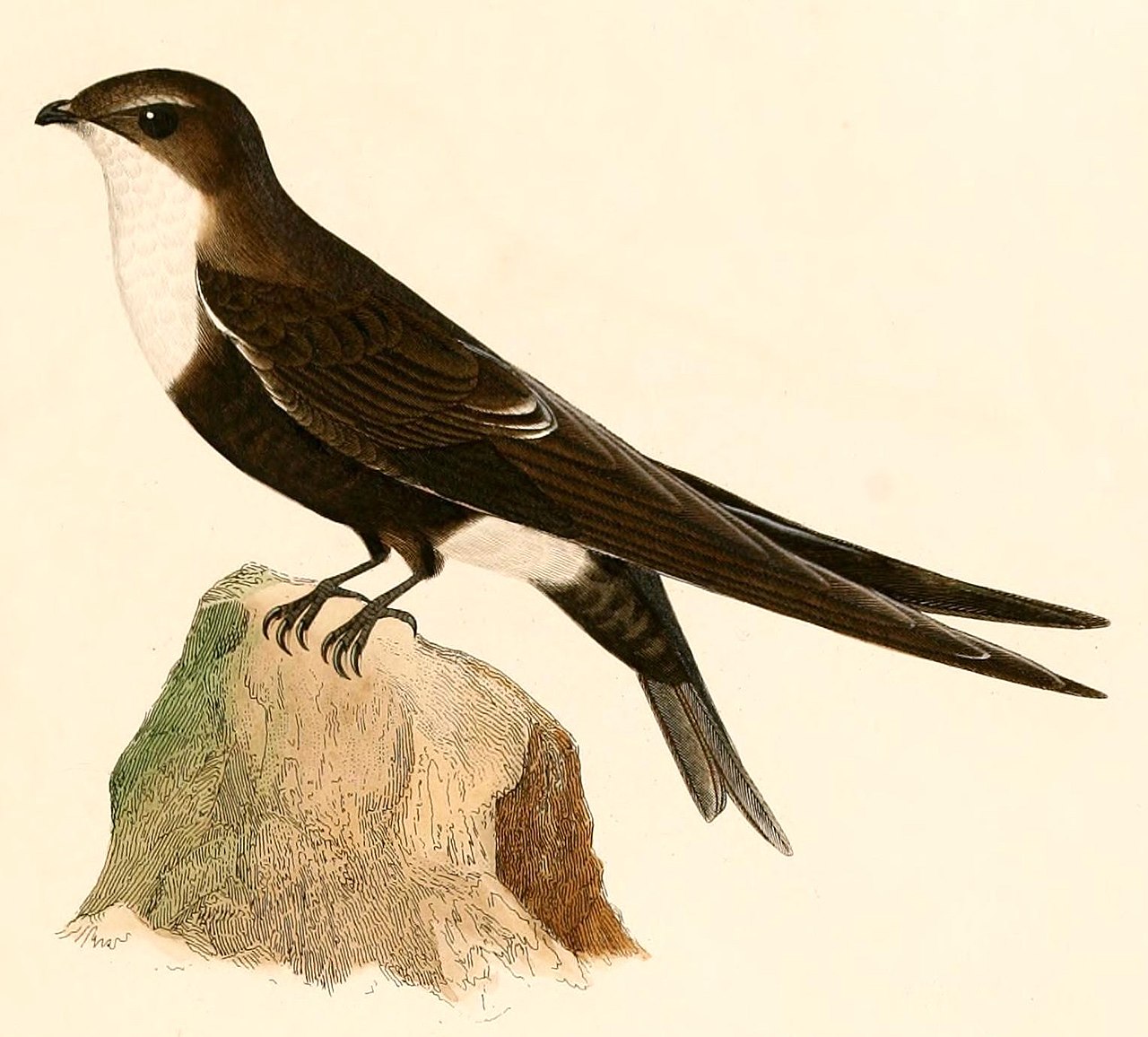
The white-throated wren-babbler is a species of bird in the family Pellorneidae.
Region
Eastern Himalayas to southwestern China
Typical Environment
Occurs from the eastern Himalayas of northeastern India and Bhutan through northern Myanmar into southern China (e.g., Yunnan and western Guangxi). It favors dense, moist broadleaf or mixed montane forest with thick undergrowth, bamboo, and tangled ravines. Birds keep close to the forest floor, especially along stream gullies, mossy roots, and leaf litter. It avoids open habitats and is highly dependent on intact understory structure.
Altitude Range
800–2400 m
Climate Zone
Highland
Ease of Keeping
Beginner friendly: 1/5
A shy understory specialist, the white-throated wren-babbler keeps to dense, damp thickets and ravines where it forages close to the ground. It is more often detected by its thin, whistled duets than seen. Formerly placed in Timaliidae, it is now treated within Pellorneidae. Habitat loss in parts of its range warrants monitoring, though it remains locally fairly common.

Temperament
secretive and skulking
Flight Pattern
short rapid wingbeats, usually low through dense cover
Social Behavior
Typically in pairs or small family groups, keeping to thick understory where they creep and hop through tangles. Nests are placed low, often domed structures hidden in vegetation or among roots. Both sexes likely participate in care, and pairs may duet to maintain contact in dense habitat.
Migratory Pattern
Resident
Song Description
A series of thin, clear whistles delivered in short phrases, often as antiphonal duets between pair members. Calls include sharp ticks and soft scolds from cover.
Plumage
Warm brown upperparts with fine dusky barring; underparts brownish with subtle scaling and barring on the flanks. A clean white throat stands out against darker face sides; tail is short and rounded. Plumage is soft and cryptic, suited to shaded understory.
Diet
Feeds mainly on small insects and other arthropods such as beetles, ants, caterpillars, and spiders. It gleans prey from leaf litter, mossy logs, root tangles, and low foliage. Occasionally probes into bark crevices and bamboo sheaths. Foraging is quiet and methodical, with short hops and pauses.
Preferred Environment
Dense understory of moist evergreen or mixed montane forest, especially along shaded stream gullies, bamboo thickets, and vine tangles. Often forages within a meter of the ground where leaf litter and cover are abundant.