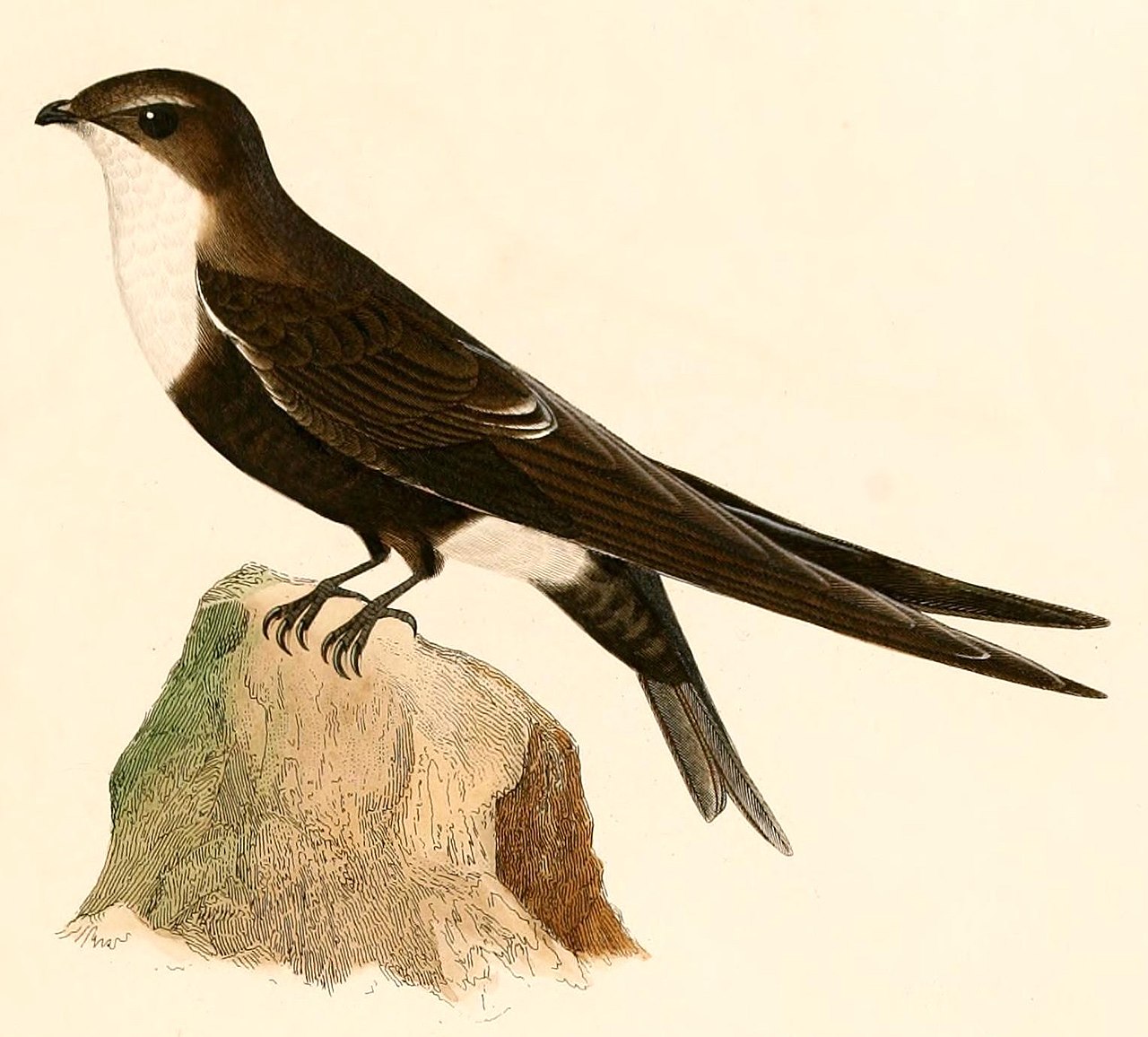
The white-throated woodpecker is a species of bird in subfamily Picinae of the woodpecker family Picidae. It is found Bolivia, Brazil, Colombia, Ecuador, and Peru.
Region
Amazon Basin
Typical Environment
Occurs in humid evergreen forests of Bolivia, Brazil, Colombia, Ecuador, and Peru. It favors mature terra firme and seasonally flooded várzea forests, and also uses tall secondary growth and forest edges. Most foraging is in the midstory and subcanopy on trunks and large branches. It tolerates lightly disturbed habitats but remains tied to forested landscapes.
Altitude Range
0–1200 m
Climate Zone
Tropical
Ease of Keeping
Beginner friendly: 1/5
This medium-small Amazonian woodpecker is easily recognized by its clean white throat contrasting with olive-green upperparts. It forages quietly in the midstory to canopy, often joining mixed-species flocks. Males show a subtle red moustachial (malar) stripe. Its drumming is a short, soft roll and it helps control wood-boring insects in forest ecosystems.


Temperament
shy and unobtrusive
Flight Pattern
undulating with short rapid wingbeats
Social Behavior
Typically seen singly or in pairs and sometimes accompanies mixed-species flocks while foraging. Pairs excavate nest cavities in dead or decaying wood. Breeding timing varies locally across the Amazon but generally aligns with drier periods when cavities remain stable.
Migratory Pattern
Resident
Song Description
Vocalizations are soft, sharp notes and short chattering series given from mid-canopy perches. Drumming is a brief, subdued roll rather than a loud, resonant burst.
Plumage
Olive to golden-olive upperparts with darker wings and a blackish tail; underparts yellowish-olive with fine dusky barring. A clear white throat contrasts with a darker malar border. Crown and nape are olive; males show a red malar stripe. Bill is straight and chisel-like, pale horn with darker culmen.
Diet
Feeds primarily on ants, termites, and beetle larvae taken by pecking, probing, and gleaning from bark and dead wood. Will also take other arthropods found in epiphytes and vine tangles. Occasional small fruit may be eaten but forms a minor part of the diet.
Preferred Environment
Forages on trunks and large limbs in the midstory to subcanopy of humid forest. Frequently works along edges, treefall gaps, and old snags where insect activity is high.