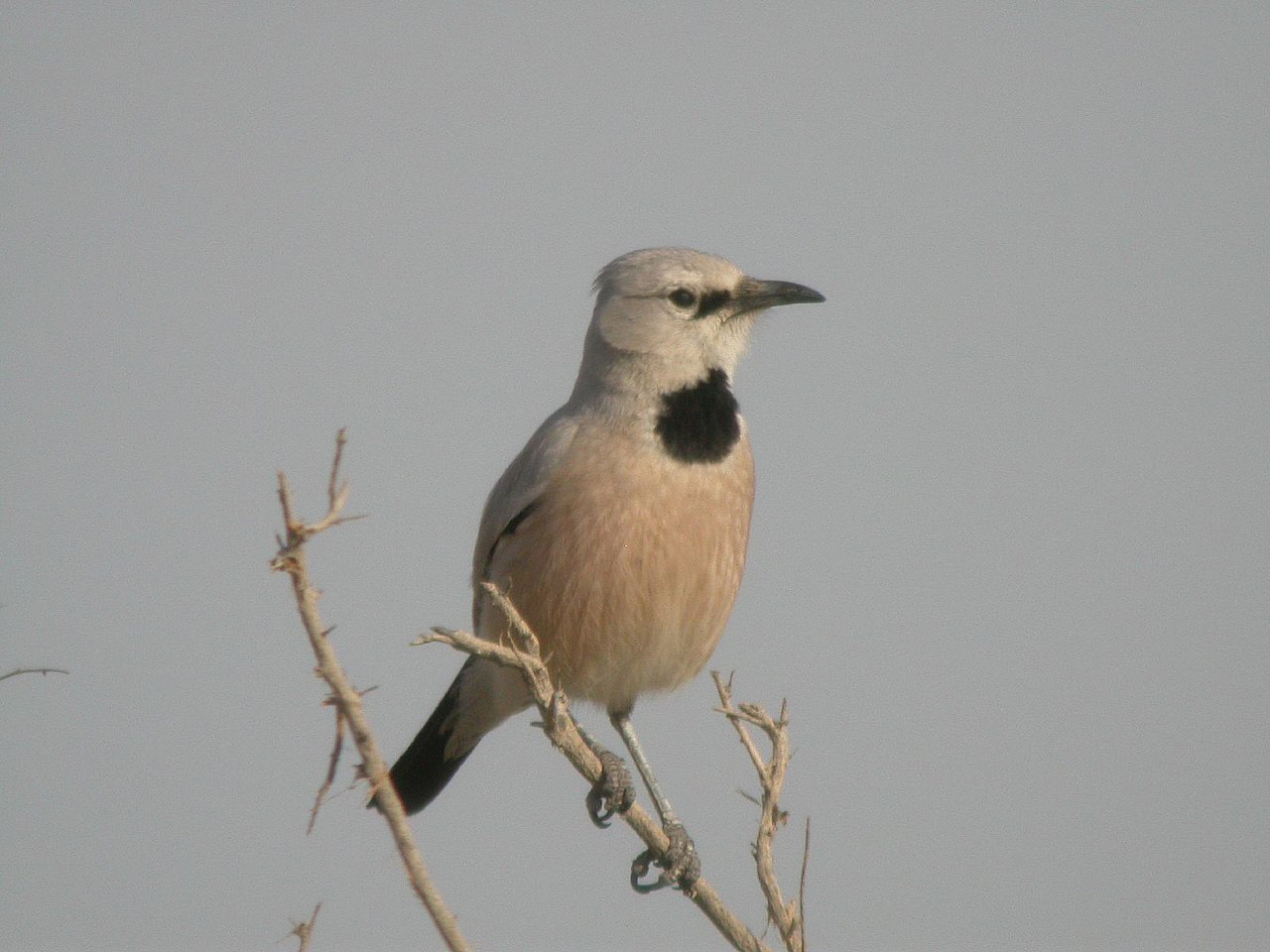
The Tumbes sparrow is a species of bird in the family Passerellidae found in Ecuador and Peru. Its natural habitats are subtropical or tropical dry forests and subtropical or tropical dry shrubland.
Region
Tumbesian region (southwest Ecuador and northwest Peru)
Typical Environment
Occurs along the Pacific slope from southwest Ecuador into the Tumbes–Piura region of northwest Peru. Inhabits tropical dry deciduous forest, thorn scrub, arid woodland edges, and second growth, often near brushy ravines and watercourses. It readily uses hedgerows and agricultural mosaics with scattered shrubs. The species tolerates degraded scrub and forest edges but avoids dense, closed-canopy rainforest.
Altitude Range
Sea level to 1500 m
Climate Zone
Tropical
Ease of Keeping
Beginner friendly: 1/5
The Tumbes sparrow is a dry-forest specialist of the Tumbesian region of southwest Ecuador and northwest Peru. It favors scrubby edges and second growth where it forages mostly on the ground. Formerly placed in Aimophila, it is now in Rhynchospiza and shows the group’s hallmark rufous crown and dark malar stripes. Its clear, whistled songs carry well at dawn in arid woodland.


Tumbes sparrow in south Ecuador
Temperament
skulking but confiding near cover
Flight Pattern
short rapid wingbeats, low and direct
Social Behavior
Usually in pairs or small family groups, occasionally joining loose mixed assemblages in shrubby areas. Territorial during the breeding season, with males singing from exposed perches. Nests are cup-shaped and placed low in shrubs or dense grasses; presumed monogamous with both parents attending young.
Migratory Pattern
Resident
Song Description
Song is a series of clear, whistled phrases often followed by a brief trill, delivered from low perches at dawn and dusk. Calls include sharp chip notes and softer contact calls from within cover.
Plumage
Warm sandy-brown upperparts with darker streaking; gray head with a rufous crown; pale buffy supercilium; two dark malar/whisker stripes; underparts pale gray to buff with warmer flanks; tail fairly long and slightly graduated.
Diet
Feeds on grass and weed seeds, small grains, and a variety of insects and other arthropods, especially during the breeding season. Forages mostly on the ground by hopping and scratching in leaf litter and at the bases of shrubs. Will also glean low foliage and take fallen fruits or flower parts when available.
Preferred Environment
Favors open understory and brushy edges of dry forest, thorn scrub, and second growth. Frequently uses road margins, hedgerows, and lightly grazed or fallow fields with scattered cover.