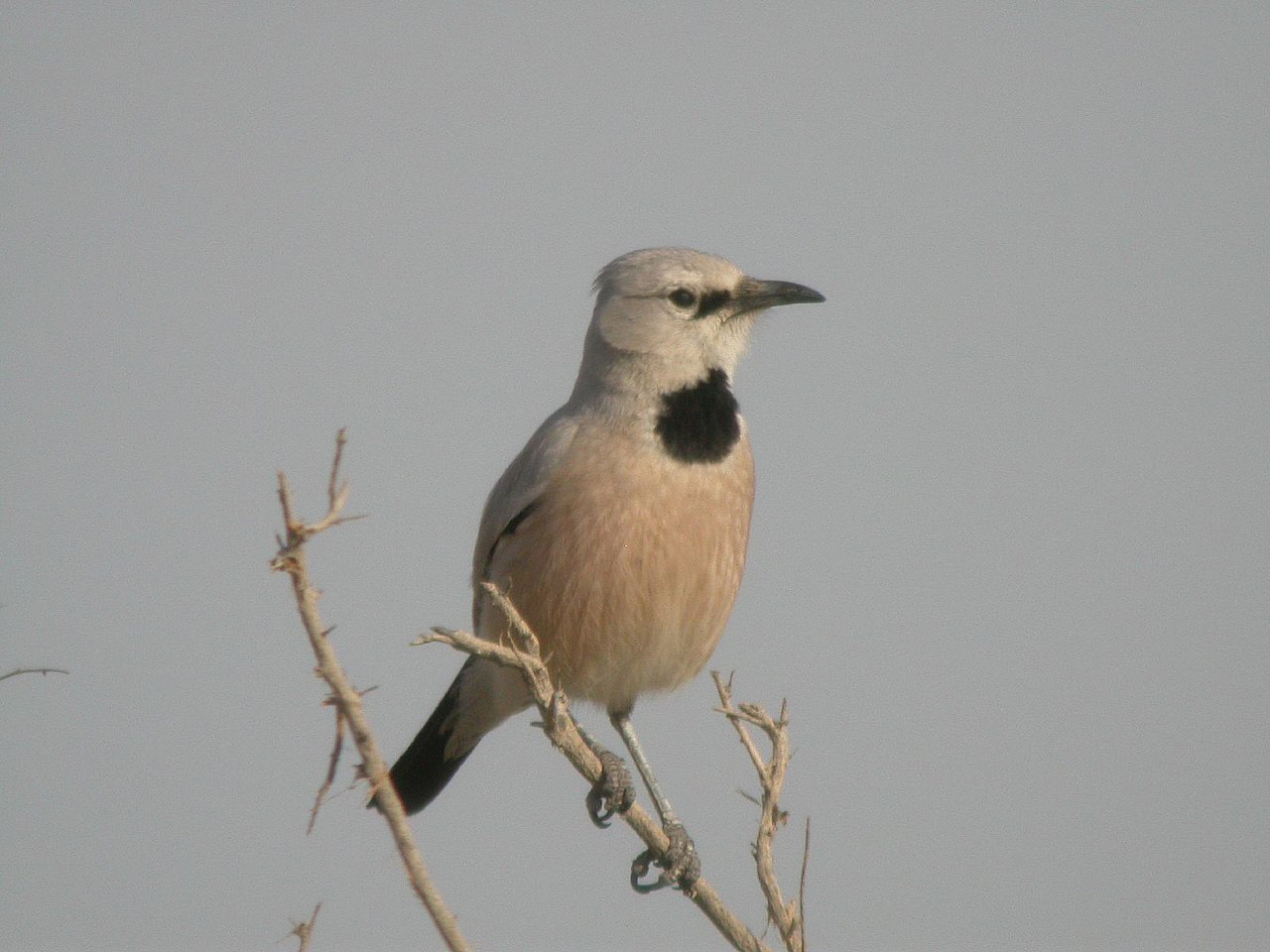
The Tumbesian tyrannulet or Tumbes tyrannulet is a species of bird in subfamily Elaeniinae of family Tyrannidae, the tyrant flycatchers. It is found in Ecuador and Peru.
Region
Western South America (southwest Ecuador and northwest Peru)
Typical Environment
Occupies Tumbesian dry forests, arid scrub, thorn woodland, and second-growth edges from coastal lowlands into Andean foothills. Common along forest edges, riparian thickets, and semi-open habitats with scattered bushes and trees. It tolerates some habitat degradation and can persist in fragmented woodlands and agricultural mosaics. Often joins mixed-species flocks in the midstory and outer canopy.
Altitude Range
Sea level to 1500 m
Climate Zone
Tropical
Ease of Keeping
Beginner friendly: 1/5
Also called the Tumbes tyrannulet, this small tyrant flycatcher is confined to the Tumbesian dry forest region of southwestern Ecuador and northwestern Peru. It is an active foliage-gleaner that frequently flicks its tail and wings while foraging. It is often located by its high, sibilant trills rather than by its subtle, gray-olive plumage.


Temperament
active and somewhat shy
Flight Pattern
short rapid wingbeats with brief sallies
Social Behavior
Typically seen singly or in pairs, sometimes in small family groups. Frequently joins mixed-species foraging flocks in the midstory. Nests are likely small open cups placed in shrubs or low trees, with both parents involved in care.
Migratory Pattern
Resident
Song Description
Voice is a high, thin, sibilant series of trills and tseet notes, often delivered in short phrases. Calls are sharp, insect-like chips used to maintain contact while foraging.
Plumage
Subtly colored with gray-olive upperparts and pale gray to whitish underparts, often with a faint yellowish wash on the belly. Shows two faint buffy wingbars and slightly darker tail and wings. Texture is smooth with fine, neat feathering.
Diet
Feeds mainly on small insects and other arthropods gleaned from leaves and twigs. Also makes short sallies to snatch flying prey in the air. Occasionally probes flower clusters or seed heads where small invertebrates congregate and may take tiny berries opportunistically.
Preferred Environment
Forages in semi-open dry forest, scrub, and woodland edges, especially in the midstory and outer canopy. Often uses the edges of riparian thickets and second-growth where foliage is accessible.