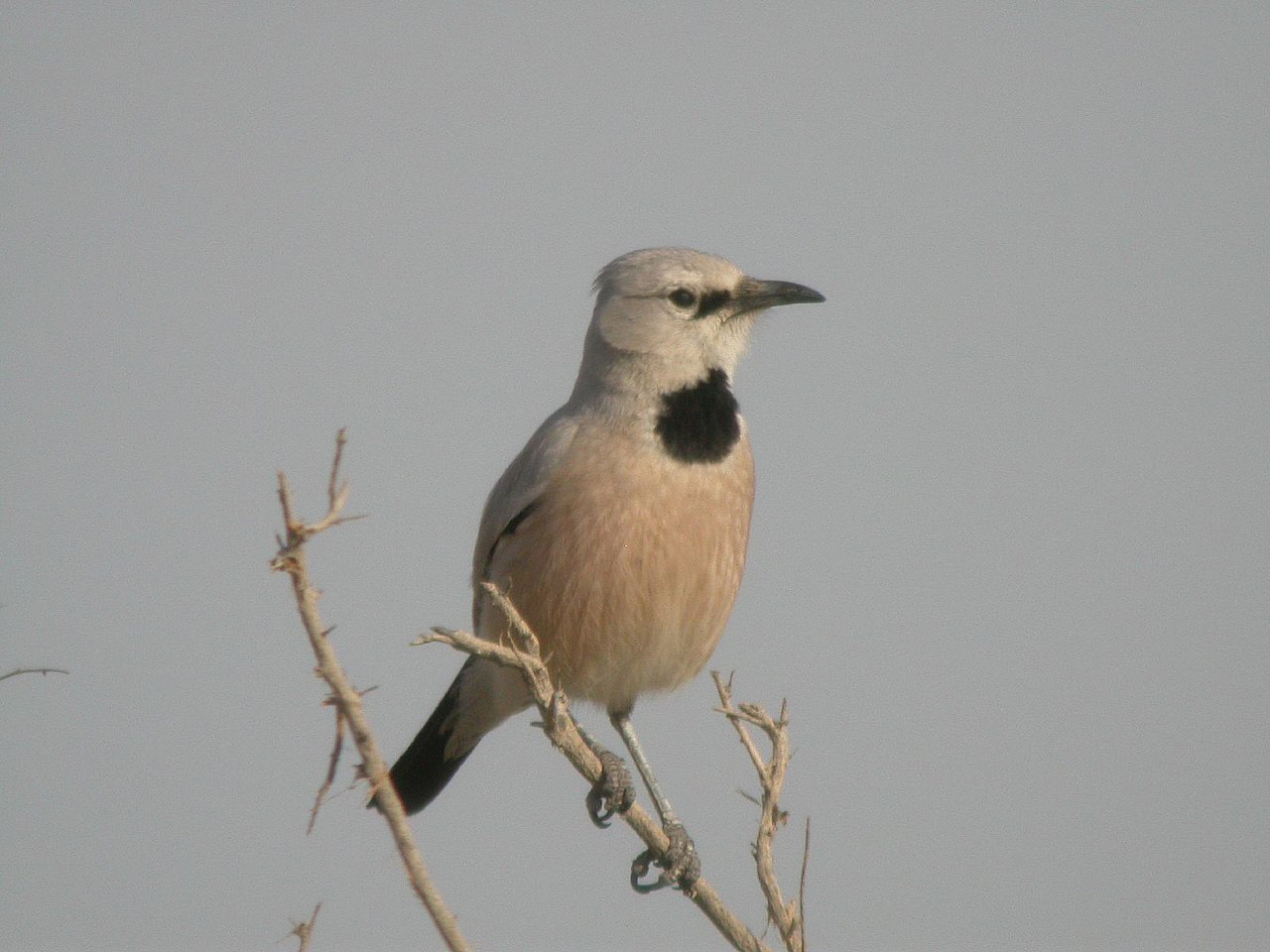
The Tumbes tyrant is a Near Threatened species of bird in the family Tyrannidae, the tyrant flycatchers. It found in Ecuador and Peru.
Region
Tumbesian region (southwest Ecuador and northwest Peru)
Typical Environment
Occurs in tropical deciduous and semi-deciduous dry forests, thorn scrub, and arid woodland, favoring edges, clearings, and secondary growth. It often uses riparian thickets and shrubby gullies within otherwise dry landscapes. The species tolerates some habitat degradation and can persist in mosaic farmland with remnant trees and hedgerows. It typically forages from low to mid-story perches in semi-open habitats.
Altitude Range
Sea level to 800 m
Climate Zone
Tropical
Ease of Keeping
Beginner friendly: 1/5
A small flycatcher restricted to the Tumbesian dry forests of southwest Ecuador and northwest Peru, it belongs to a monotypic genus (Tumbezia). It is most often seen sallying from low, open perches along forest edges and scrub. Habitat loss from agricultural expansion and woodcutting has led to concern, and it is assessed as Near Threatened by the IUCN.


Temperament
alert and active
Flight Pattern
short rapid wingbeats with brief sallies
Social Behavior
Usually seen singly or in pairs, defending small feeding areas within suitable scrub and woodland. Pairs maintain territories during the breeding season and may join mixed-species flocks outside of it. Nesting is presumed to be a cup placed low to mid-height in shrubs or small trees, as in many small tyrant flycatchers.
Migratory Pattern
Resident
Song Description
Gives thin, high-pitched whistles and short, slurred phrases, often delivered from an exposed perch. Calls include sharp tseet or tsip notes used in contact and alarm.
Plumage
Olive-brown to gray-olive upperparts with paler, yellowish to buff underparts and a faint gray wash across the chest. Shows two pale wingbars and subtle rufous or warm edges to the wings and tail. The face often shows a thin pale supercilium and dusky ear coverts.
Diet
Primarily feeds on small flying and arboreal insects, including flies, beetles, and small orthopterans. It hunts by sallying from low, open perches and by short hover-gleans among foliage. Occasional small berries may be taken opportunistically.
Preferred Environment
Forages along forest edges, semi-open scrub, hedgerows, and riparian thickets where open perches are interspersed with cover. Often uses fence lines, isolated shrubs, and low branches for vantage points.