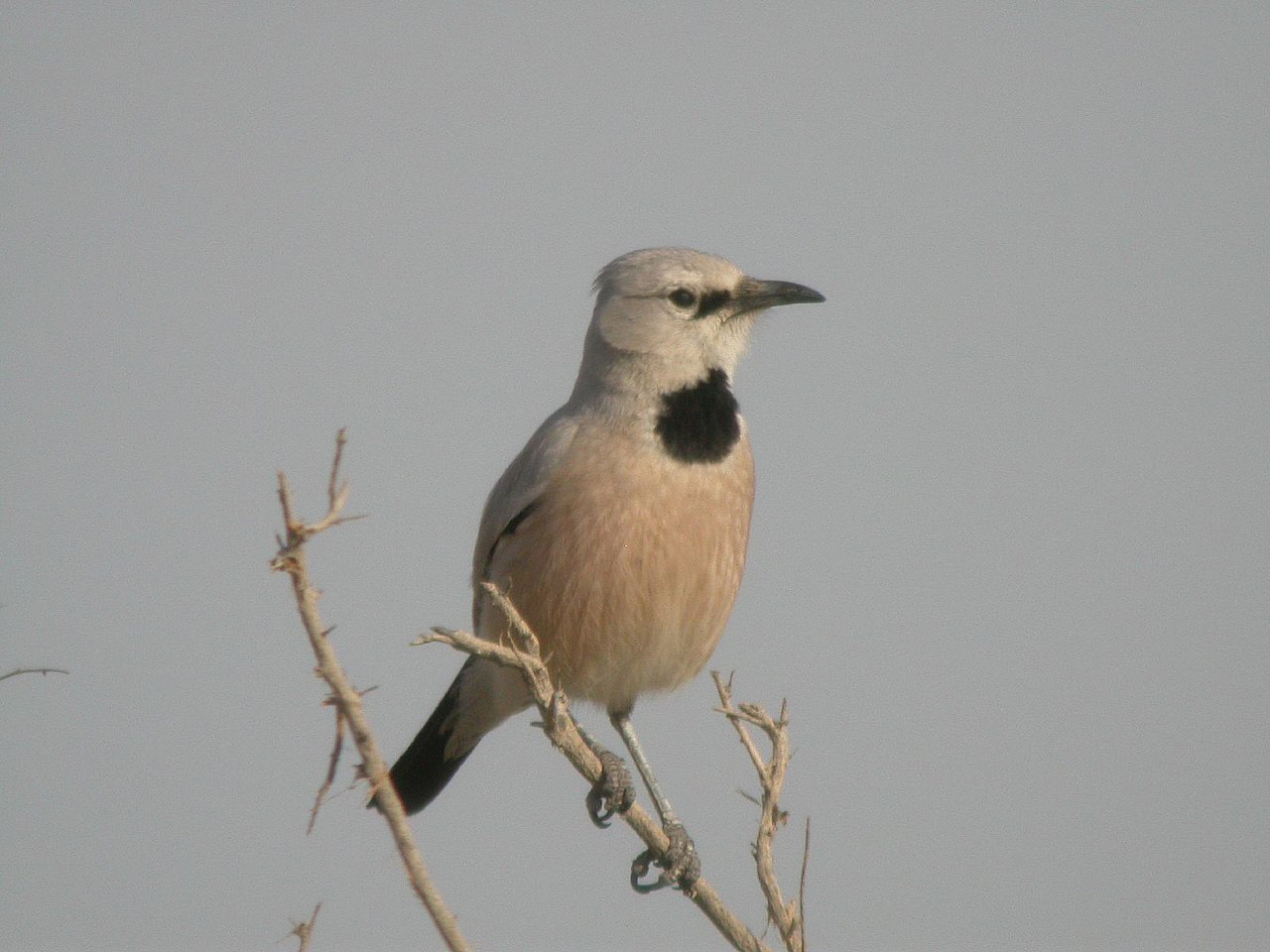
The Tumbes swallow is a species of bird in the family Hirundinidae. It is found in northwestern Peru and far southwestern Ecuador. Its natural habitats are dry savanna, coastal saline lagoons, and arable land.
Region
Pacific coast of northwestern Peru and southwestern Ecuador
Typical Environment
Occurs primarily in the Tumbes–Piura dry forests and adjacent coastal lowlands. It frequents open, arid to semi-arid landscapes including dry savanna, scrubby edges, and agricultural fields. The species is often associated with water bodies such as coastal saline lagoons, estuaries, and rivers, where flying insects are abundant. It also utilizes peri-urban areas and farms, perching on wires and buildings. Nesting may occur in natural cavities or suitable crevices in human structures.
Altitude Range
0–800 m
Climate Zone
Tropical
Ease of Keeping
Beginner friendly: 1/5
A small, glossy swallow of the Pacific lowlands, the Tumbes swallow often forages over open country and coastal lagoons in northwestern Peru and southwestern Ecuador. It readily uses wires and fence lines as perches and will exploit human-made structures for nesting where suitable cavities exist. Its restricted range lies within the Tumbes dry forest ecoregion, but it adapts well to arable land and settlements. Like other Tachycineta swallows, it is an agile aerial insect hunter.


Temperament
social and active
Flight Pattern
fast, agile flight with rapid wingbeats and short glides
Social Behavior
Often seen in pairs or small groups, especially near water and open fields. It forms loose colonies or clusters at suitable nesting sites, using cavities or crevices and lining nests with grasses and feathers. Breeding pairs are typically monogamous during the season, and adults may reuse sites across years.
Migratory Pattern
Resident
Song Description
Vocalizations are a series of light twittering chips and high, thin trills given in flight and from perches. Calls intensify around feeding flocks and nest sites, with soft conversational notes between mates.
Plumage
Glossy blue-green upperparts with clean white underparts; wings and tail are darker and slightly iridescent. The rump may appear pale, and the underwings show contrasting dark flight feathers against white coverts. Tail is moderately forked.
Diet
Feeds almost entirely on aerial insects, including flies, beetles, winged ants, and termites. It captures prey on the wing, often over water or open ground where insect swarms form. Foraging height varies from just above the surface to mid-canopy levels. It may follow livestock or exploit insect hatches after rains. Opportunistic use of seasonally abundant prey is common.
Preferred Environment
Typically forages over coastal lagoons, estuaries, rivers, and irrigation canals, as well as open farmland and dry savanna. It also hunts along edges of dry forest and in peri-urban spaces with open sky and perching opportunities.