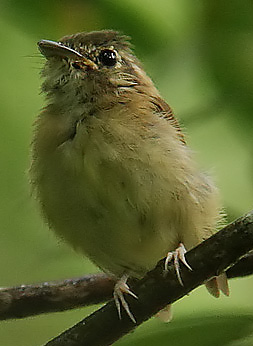
The striped woodpecker is a species of bird in subfamily Picinae of the woodpecker family Picidae. It is found in Argentina, Bolivia, and Chile.
Region
Andes Mountains
Typical Environment
Occurs from southwestern Bolivia through northwestern and central-western Argentina and along much of Chile, favoring temperate and montane woodlands. It uses Nothofagus (southern beech) forests, Polylepis and other Andean woodlands, and semi-open areas with scattered trees. In drier zones it frequents scrubby slopes, riparian groves, and woodland edges. It tolerates human-modified habitats such as orchards, shelterbelts, and large gardens where mature trees are present.
Altitude Range
Sea level to 3500 m
Climate Zone
Temperate
Ease of Keeping
Beginner friendly: 1/5
Some taxonomies place the striped woodpecker in the genus Dryobates, reflecting recent reclassifications of South American small woodpeckers. Males typically show a red crown patch, while females lack red on the head. It forages quietly and can be overlooked despite being fairly widespread in suitable habitat. Its drumming is short and dry, used for communication and territory defense.


at Torres del Paine National Park, Chile

Temperament
quiet and unobtrusive
Flight Pattern
short rapid wingbeats with typical undulating woodpecker flight
Social Behavior
Usually seen singly, in pairs, or small family groups outside the breeding season. It is territorial during breeding and excavates nest cavities in dead or decaying wood. Both sexes participate in excavation and chick-rearing. It may join mixed-species foraging flocks in nonbreeding periods.
Migratory Pattern
Resident
Song Description
Vocalizations include sharp, dry pik and tchik notes, often given singly or in short series. Drumming is a brief, rapid roll on resonant wood used for advertising and contact. Overall the species is more often detected by its drumming than by prolonged song.
Plumage
Finely barred back and wings with contrasting dark and pale striping, and heavily streaked underparts. The face shows bold pale supercilium and malar stripes separated by darker bands. Plumage appears crisp and cleanly patterned, aiding camouflage on bark.
Diet
Feeds primarily on insects and their larvae, including beetles, ants, and other wood-boring arthropods. It gleans from bark and twigs, probes crevices, and pecks or chips to expose prey. Occasionally takes small fruits or seeds, especially in lean seasons, but animal prey dominates.
Preferred Environment
Forages on trunks, branches, and dead snags in open woodland, forest edges, and riparian corridors. Frequently uses decaying wood and broken limbs where larvae are abundant. Will also forage in orchards and mature gardens with large trees.