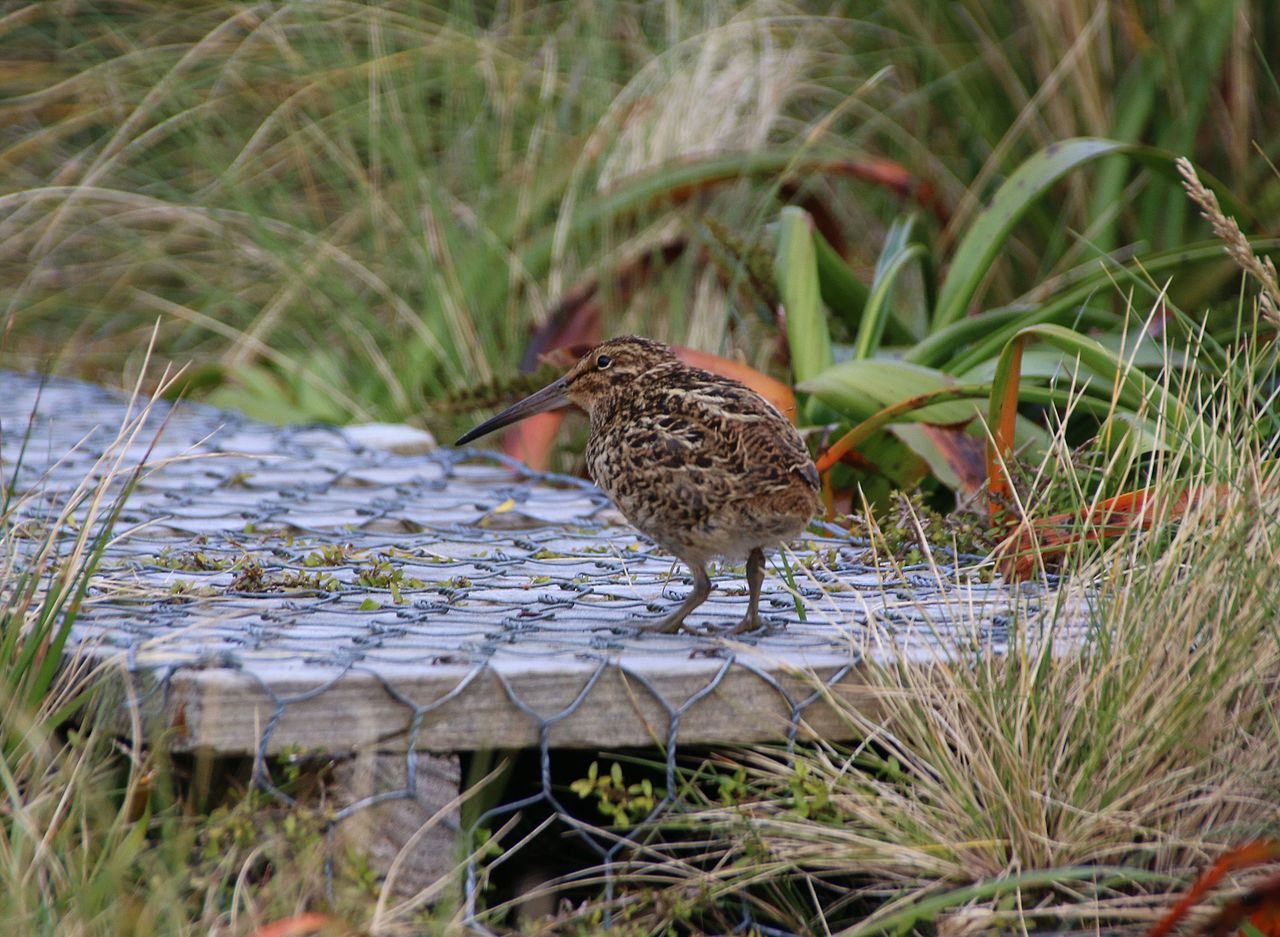
The stubble quail is a species of Old World quail native to Australia. The species is not under any threat of extinction. Stubble quail are widespread and found throughout all states and territories of Australia excluding Tasmania. Other common names include grey quail and pectoral quail.
Region
Australia
Typical Environment
Occurs across all mainland states and territories, absent from Tasmania. Favors open grasslands, cereal crops, stubble fields, fallow paddocks, and lightly vegetated shrublands. Uses dense ground cover for shelter and nesting, often near water or ephemeral green growth after rain. Numbers and local presence can change rapidly with seasonal conditions, especially in agricultural zones.
Altitude Range
Sea level to 1200 m
Climate Zone
Temperate
Ease of Keeping
Beginner friendly: 2/5
The stubble quail is Australia’s most widespread true quail, booming in numbers after good rains and declining during droughts. It is a regulated game species in several Australian states, with hunting seasons set according to rainfall and surveys. Highly cryptic, it relies on camouflage and will sit tight until flushed, then explodes into a short, fast flight.


Drawing of the head of a stubble quail

Eggs, Collection Museum Wiesbaden
Temperament
skittish and cryptic
Flight Pattern
short rapid wingbeats with explosive flush
Social Behavior
Typically seen singly or in small parties; outside the breeding season they may form loose coveys in suitable cover. Breeding is opportunistic and linked to rainfall, with nests as shallow ground scrapes hidden in grasses. Both sexes are secretive around the nest, and chicks are precocial and mobile soon after hatching.
Migratory Pattern
Partial migrant
Song Description
Males give a clear, whistled ‘pweep’ or ‘peeeep’ often at dawn and dusk, repeated at intervals from concealed positions. Contact calls are soft and brief, while alarm calls are sharper and more metallic when flushed.
Plumage
Compact, mottled quail with finely streaked and barred brown plumage, pale cream streaks on the back, and dense patterning on the flanks. Feathers are soft and cryptically patterned for excellent camouflage in dry grasses and stubble.
Diet
Feeds mainly on seeds of grasses and cereal crops, along with weed seeds. Supplements with invertebrates such as beetles, ants, and small caterpillars, especially during breeding when protein needs are higher. Opportunistic intake shifts with seasonal availability following rain and crop cycles.
Preferred Environment
Forages on the ground in open fields, stubble, pasture edges, and grassy plains with patchy cover. Often uses the interface of dense grass clumps and bare soil to glean seeds and small invertebrates.