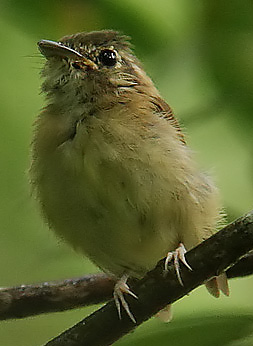
The strong-billed honeyeater is a species of bird in the family Meliphagidae. It is one of two species of the genus Melithreptus endemic to Tasmania. Its natural habitat is temperate forest.
Region
Tasmania
Typical Environment
Occurs throughout much of Tasmania where intact wet sclerophyll forest, mixed forest, and cool temperate rainforest persist. Most common in mature eucalypt stands, along forested gullies, and on montane slopes, but can also use forest edges and well-vegetated reserves. It forages high in the canopy as well as on trunks and large limbs, especially where peeling bark, lichens, and epiphytes are abundant. Less frequently encountered in highly fragmented or open habitats.
Altitude Range
Sea level to 1200 m
Climate Zone
Temperate
Ease of Keeping
Beginner friendly: 1/5
The strong-billed honeyeater is endemic to Tasmania and is the larger, heavier-billed counterpart to the island’s black-headed honeyeater. Its unusually robust, slightly decurved bill is adapted for prying insects and larvae from bark and epiphytes, making it more insectivorous than many honeyeaters. It often joins mixed-species feeding parties in mature eucalypt forests.

Temperament
social and active
Flight Pattern
short rapid wingbeats between trees
Social Behavior
Often travels in pairs or small family groups and frequently associates with mixed-species flocks, especially with other honeyeaters. Nests are typically cup-shaped and placed in high foliage; both sexes participate in nesting duties. Breeding occurs in spring to early summer in Tasmania.
Migratory Pattern
Resident
Song Description
Calls are a mix of sharp, chattering notes and scolding trills used as contact and alarm calls. The song is a softer series of warbles and twitters delivered from mid to upper canopy.
Plumage
Olive-green upperparts with a contrasting black head and a clean white nape crescent; underparts off-white with noticeable olive-grey streaking on the breast and flanks.
Diet
Primarily gleans insects and their larvae from bark, leaves, and epiphytes, including beetles, caterpillars, spiders, and psyllid lerps. Uses its strong bill to pry and hammer at bark crevices and under loose bark. Also takes some nectar and honeydew opportunistically, and may consume small amounts of fruit.
Preferred Environment
Feeds on trunks, large branches, and inner to upper canopy of mature eucalypt and mixed forests. Concentrates where peeling bark, lichens, and mosses harbor invertebrates, often following mixed flocks along productive foraging routes.