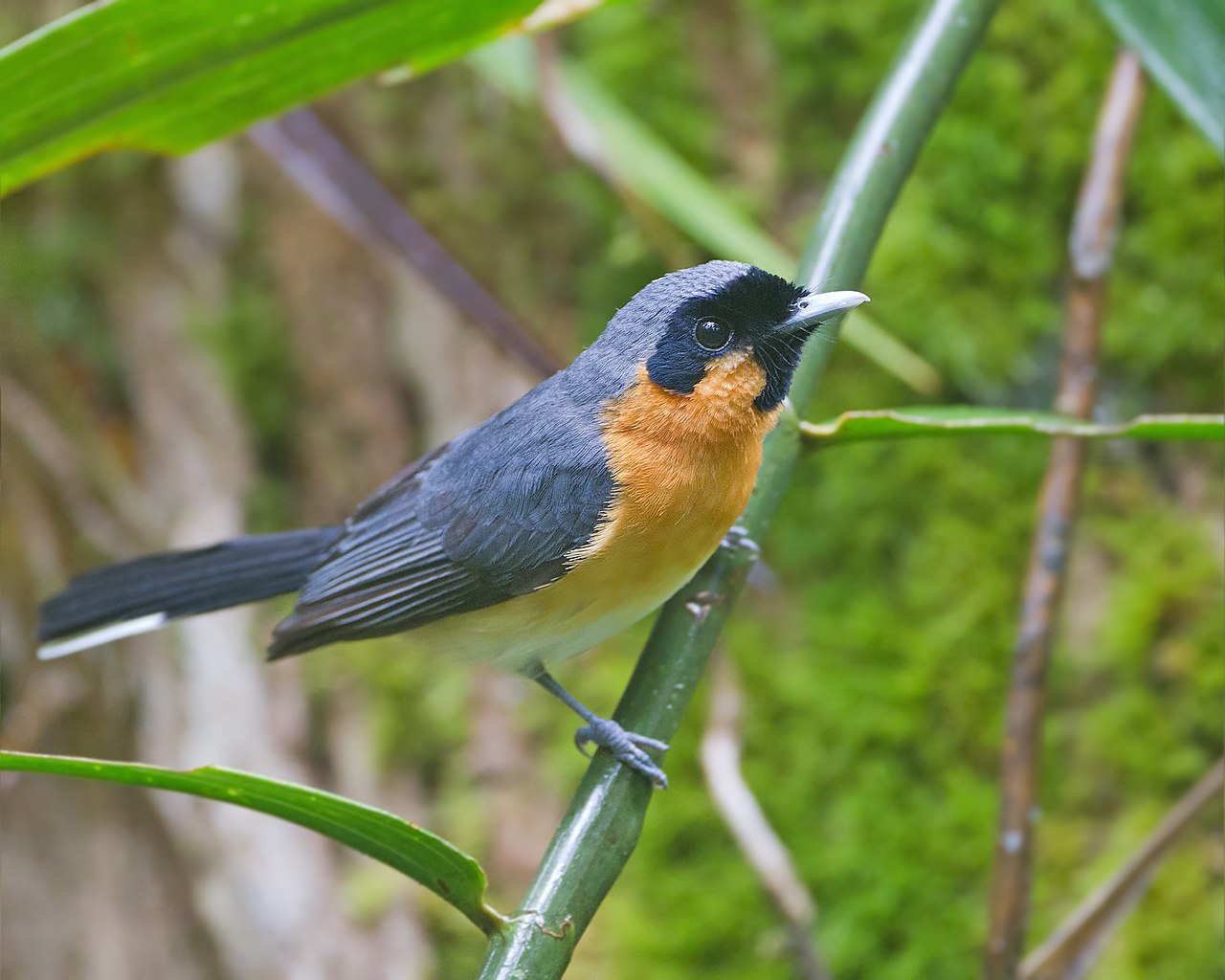
The spectacled finch is a species of finch in the family Fringillidae. It is found in temperate northern regions of the Indian subcontinent, ranging across Afghanistan, India, Nepal, and Pakistan. Its natural habitat is temperate forests with a lush landscape.
Region
Western and Central Himalayas
Typical Environment
Occurs from eastern Afghanistan through northern Pakistan and the Indian Himalayas to western and central Nepal. Prefers temperate coniferous and mixed broadleaf–conifer forests with a lush understory, including fir, spruce, and juniper. Uses forest edges, clearings, and shrubby slopes for feeding. In winter it may descend to lower valleys, visiting orchards and scrubby hillsides near villages. It remains localized but can be fairly common where suitable habitat persists.
Altitude Range
1000–3600 m
Climate Zone
Highland
Ease of Keeping
Beginner friendly: 2/5
A distinctive Himalayan finch, the spectacled finch is named for its bold pale eye-rings that form a ‘spectacled’ look. It belongs to a monotypic genus, making it taxonomically unique within the finch family. Birds breed in temperate conifer and mixed forests but move downslope in winter, often forming small flocks. They are generally quiet and unobtrusive, best detected by their soft finch-like calls.


Temperament
wary but quietly confiding in small flocks
Flight Pattern
strong, bounding flight with short rapid wingbeats
Social Behavior
Breeds in pairs, nesting in conifers or dense shrubs with a neat cup nest. Outside the breeding season it gathers in small, loose flocks that move through forest edges and clearings. Generally unobtrusive, spending much time in canopy or mid-story while feeding.
Migratory Pattern
Partial migrant
Song Description
Song is a soft series of tinkling trills and twittering phrases delivered from cover. Calls include gentle cheeps and dry twitters that help keep contact within small flocks.
Plumage
Compact finch with warm brown-olive upperparts and richer rufous-buff underparts; males show a darker face and bold pale orbital rings giving a ‘spectacled’ look. Wings and tail are dusky with subtle yellowish or buff edging; females are duller and more brownish with less contrasting spectacles.
Diet
Feeds primarily on seeds of conifers and various herbs, along with buds, catkins, and berries. Will take tender shoots and flower parts in season. During breeding it may supplement with small insects and other invertebrates for added protein.
Preferred Environment
Forages in conifer and mixed forests, especially at edges, clearings, and shrubby slopes. Often feeds quietly in the canopy or on seeding plants along trails and forest margins.