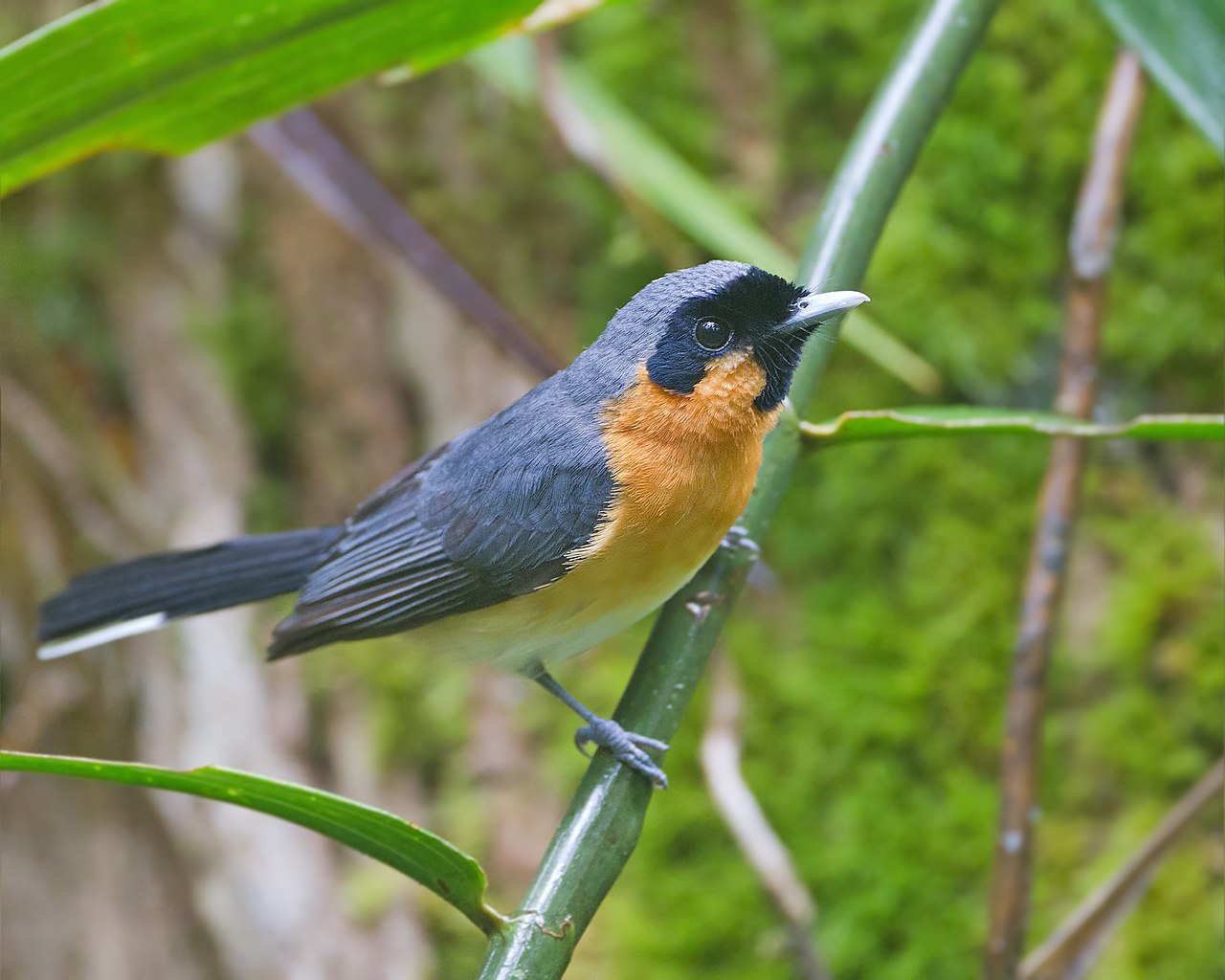
The spectacled guillemot or sooty guillemot is a seabird in the auk family.
Region
Northwest Pacific
Typical Environment
Breeds along rocky coasts and offshore islands from the Russian Far East (Sea of Okhotsk, Kamchatka, Kuril Islands, Sakhalin) south to northern Japan and the Korean Peninsula. It favors rugged shorelines, sea cliffs, and talus slopes with abundant crevices for nesting. Outside the breeding season, it remains mostly nearshore, shifting slightly southward but staying in cold to cool temperate waters. Birds are often seen around harbors, breakwaters, and kelp-lined coves.
Altitude Range
Sea level to 100 m
Climate Zone
Temperate
Ease of Keeping
Beginner friendly: 1/5
Also known as the sooty guillemot, it is a coastal auk of the northwest Pacific with a striking white eye-ring that looks like spectacles. It nests in rock crevices and boulder piles on sea cliffs and offshore islets. A powerful underwater hunter, it uses its wings to propel itself while diving for fish and crustaceans.

Temperament
social and active
Flight Pattern
short rapid wingbeats, low over water
Social Behavior
Breeds in loose colonies or scattered pairs on rocky islands and coastal cliffs. Nests are placed deep in crevices or under boulders, with both parents incubating and feeding the chick. Typically lays 1–2 eggs and shows strong site fidelity across years.
Migratory Pattern
Partial migrant
Song Description
Gives high, thin whistles and piping calls, especially at colonies. Soft trills and squeaky notes are used in courtship and pair contact.
Plumage
Sooty-black overall in breeding plumage with a bold white oval wing patch crossed by a darker wedge; in nonbreeding season, mottled grayish with paler underparts.
Diet
Takes small fish such as sand lances, sculpins, and gobies, along with marine invertebrates including crustaceans and mollusks. It pursues prey underwater, using its wings to ‘fly’ through the water column. Foraging dives are typically near the seabed around reefs and boulders. Prey is often brought to the surface and swallowed whole.
Preferred Environment
Shallow nearshore waters with rocky substrates, kelp beds, and reefs. Frequently forages along headlands, in coves, and around man-made structures like piers and breakwaters.