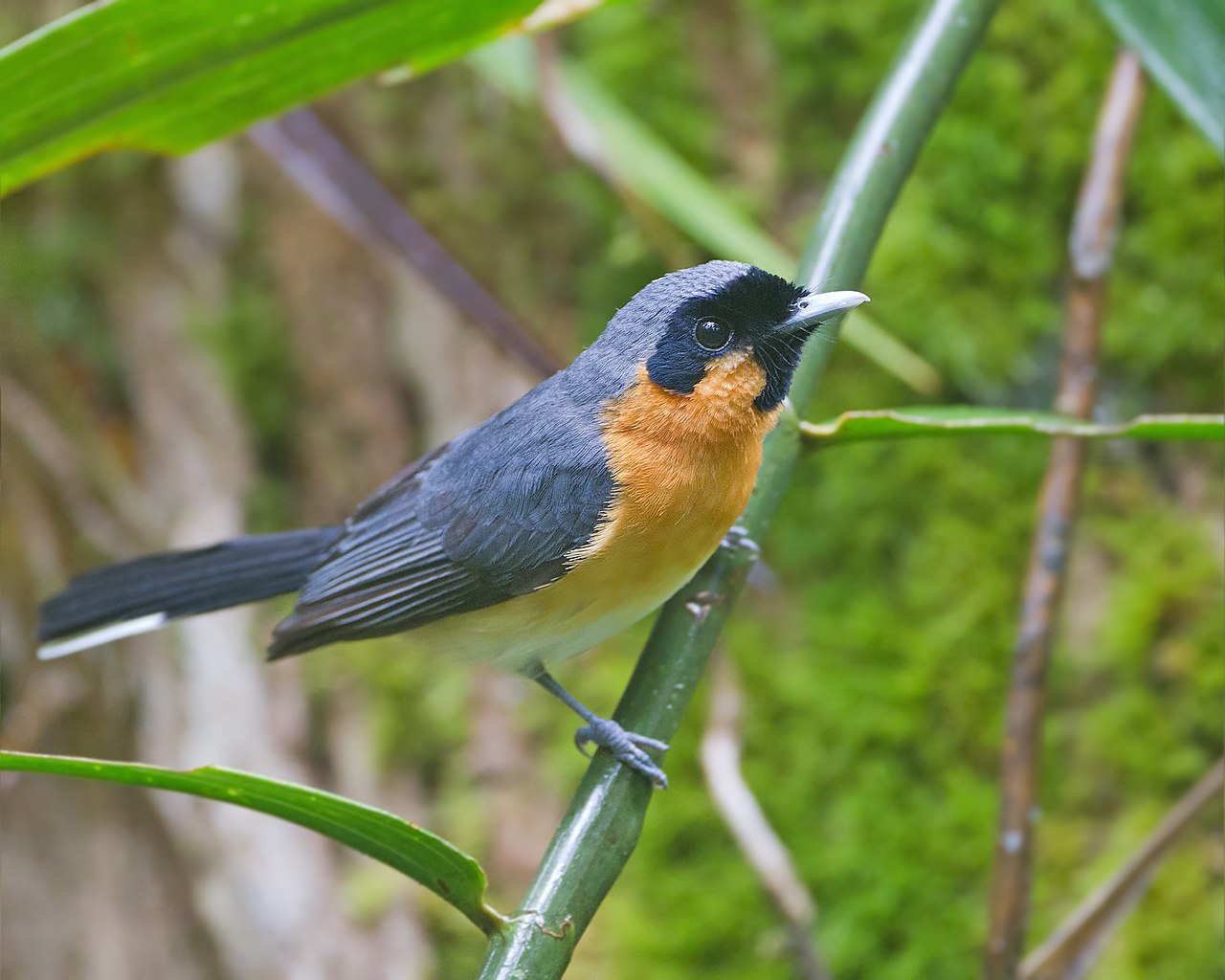
The spectacled fulvetta is a bird species in the family Paradoxornithidae. Like the other typical fulvettas, it was long included in the Timaliidae genus Alcippe or in the Sylviidae.
Region
Central and Southwest China
Typical Environment
Occurs in montane broadleaf and mixed forests with dense undergrowth, especially rhododendron and bamboo thickets. Prefers forest edges, secondary growth, and shrubby ravines where cover is abundant. Forages mainly in the lower to mid understory, often moving through tangles and bamboo culms. Typically found in small groups and frequently associates with mixed-species flocks.
Altitude Range
1200–3200 m
Climate Zone
Temperate
Ease of Keeping
Beginner friendly: 1/5
The spectacled fulvetta is a small, active songbird of Chinese montane forests, now placed in the Paradoxornithidae after long being grouped with babblers. Its name refers to the bold white eye-ring that gives a ‘spectacled’ look. It often joins mixed-species foraging flocks and stays low in dense shrubbery and bamboo. Subtle plumage and secretive habits can make it tricky to see despite its frequent calls.

Temperament
social and active
Flight Pattern
short rapid wingbeats
Social Behavior
Usually found in pairs or small family groups and often joins mixed-species flocks with tits and leaf warblers. Builds a neat cup nest low in shrubs or bamboo. Likely monogamous, with both parents involved in care. Keeps close to cover and moves restlessly while foraging.
Migratory Pattern
Resident
Song Description
A soft, twittering series of thin notes interspersed with rapid chips. Contact calls are high-pitched and slightly scolding, often given as groups move through dense cover.
Plumage
Warm brown upperparts with paler, buffy underparts and a greyer face; often shows a rufous-tinged crown and slightly darker wings. The standout feature is a clean, white orbital ring forming ‘spectacles’. Plumage is soft and fairly uniform, aiding camouflage in shaded understory.
Diet
Takes small insects, spiders, and other arthropods gleaned from leaves and twigs. Also consumes seeds, berries, and buds, especially when insects are less available. Forages deliberately through the understory, sometimes hover-gleaning or sallying short distances. Diet varies seasonally with availability of invertebrates and fruit.
Preferred Environment
Feeds in dense shrubs, bamboo thickets, and along forest edges where foliage is thick. Frequently uses mid to lower understory strata and moves with mixed flocks to exploit disturbed or edge habitats.