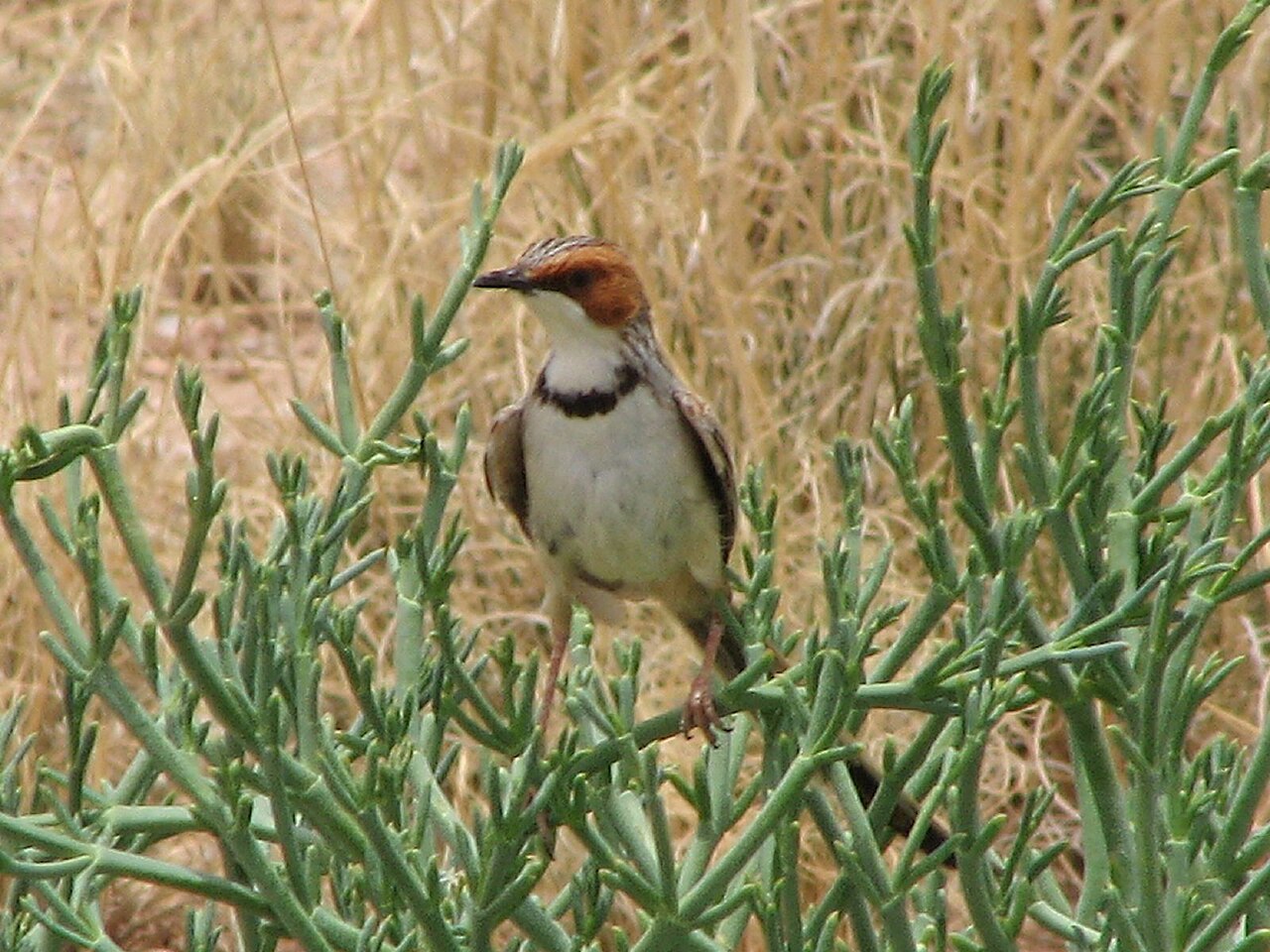
The rufous-crowned tody-flycatcher is a species of bird in the family Tyrannidae, the tyrant flycatchers. It is found in Colombia, Ecuador, Peru, and Venezuela.
Region
Andes Mountains
Typical Environment
Occurs in the northern Andes of Venezuela, Colombia, Ecuador, and Peru, mainly in humid montane forests. It frequents forest edges, secondary growth, and dense understory thickets, especially bamboo. The species typically forages in the lower to mid understory, staying close to cover. It is locally common where suitable understory structure persists, including along streamside thickets and landslide regrowth.
Altitude Range
600–2400 m
Climate Zone
Highland
Ease of Keeping
Beginner friendly: 1/5
A tiny Andean tyrant flycatcher, the rufous-crowned tody-flycatcher is named for its conspicuous rufous cap and active foraging style in dense understory. It often favors bamboo (Chusquea) and second-growth thickets along cloud-forest edges. Pairs keep close contact with soft calls and may join mixed-species flocks. The species builds a small pendant, pouch-like nest with a side entrance, suspended low in vegetation.


Temperament
active and skulking
Flight Pattern
short rapid wingbeats
Social Behavior
Usually seen as pairs or small family groups moving through dense understory. Often joins mixed-species flocks, especially in edge and second-growth habitats. Nests are pendant, pouch-like structures hung low in shrubs or bamboo, with both parents involved in care.
Migratory Pattern
Resident
Song Description
Gives thin, high-pitched tseet notes and short trills. The song is a rapid series of high chips delivered from low cover, with soft contact calls used to keep pairs together.
Plumage
Compact, with olive-green upperparts, yellowish underparts, and a distinct rufous crown and nape. Wings show faint buffy edging and subtle wingbars; throat is pale to whitish. The bill is short, broad-based, and slightly flattened, typical of flycatchers.
Diet
Primarily small arthropods including flies, beetles, caterpillars, and spiders. It gleans prey from leaves and twigs and makes short sallies to snatch insects in midair. Foraging is deliberate but continuous, often at close range within dense foliage.
Preferred Environment
Feeds in the lower and middle understory of humid montane forest, forest edge, and bamboo thickets. Common along trails, streamside tangles, and regenerating second growth where cover is thick.