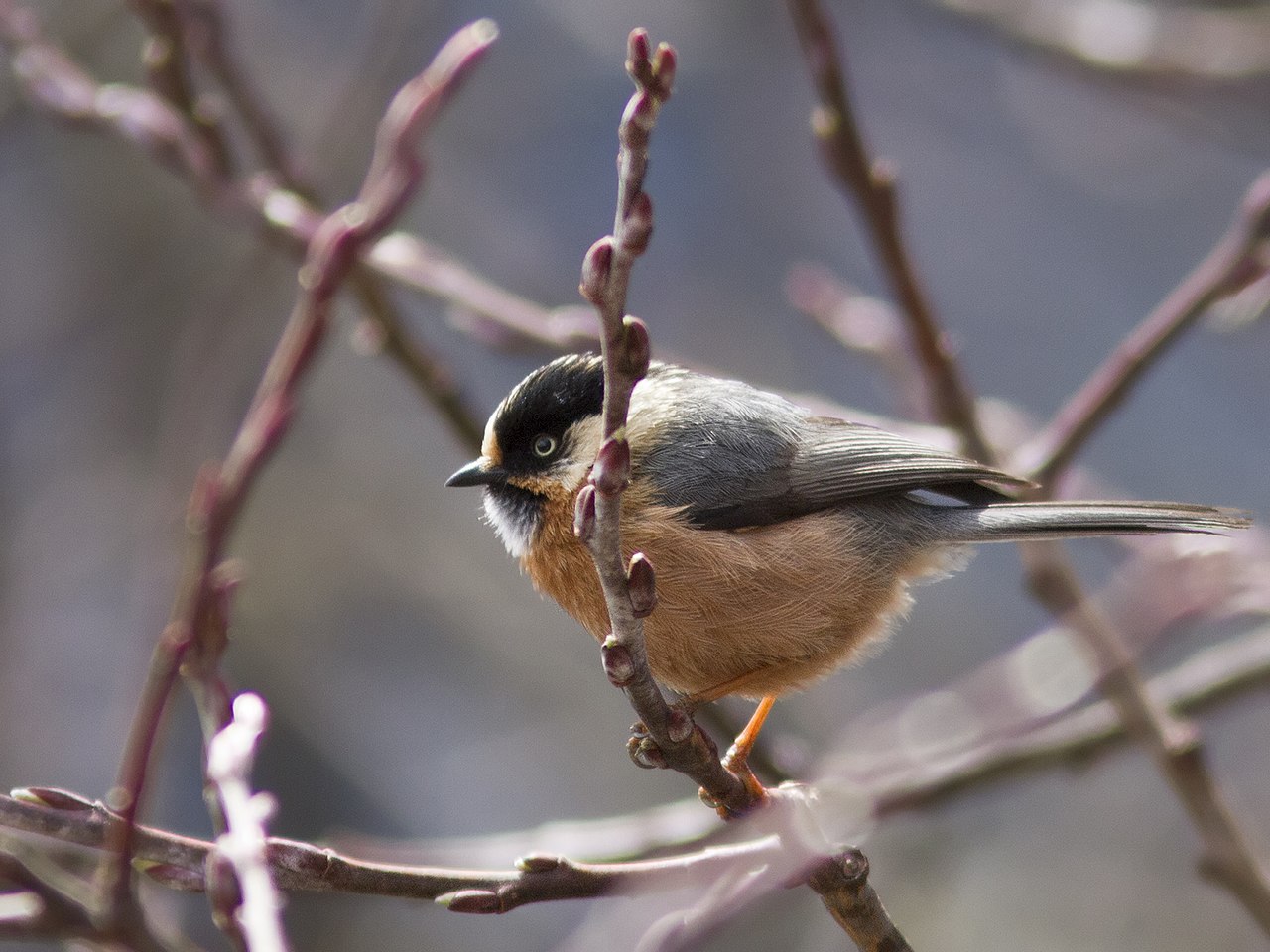
The rufous-faced antpitta is a species of bird in the family Grallariidae. It is found in Bolivia and Peru.
Region
Andes Mountains
Typical Environment
Occurs on the humid east slope of the central Andes in southeastern Peru and adjacent western Bolivia. It inhabits mature cloud forest with dense understory, especially mossy gullies, bamboo thickets, and edges of montane evergreen forest. The species keeps close to the ground, using dense cover and steep ravines for foraging and nesting. It is patchily distributed where suitable habitat persists and may be locally common in undisturbed tracts.
Altitude Range
2000–3500 m
Climate Zone
Highland
Ease of Keeping
Beginner friendly: 1/5
A shy, ground-dwelling antpitta of humid Andean cloud forests, it is far more often heard than seen, giving mellow, fluty whistles from dense understory. It favors mossy ravines and bamboo (Chusquea) thickets where it hops quietly along the forest floor. It may attend army-ant swarms to snatch flushed insects. Habitat loss in montane forests is a localized concern, but the species is not currently considered at risk.


Temperament
solitary and secretive
Flight Pattern
short rapid wingbeats, low and direct between cover
Social Behavior
Usually encountered alone or in pairs, moving quietly along the forest floor. Nests are placed low in dense vegetation or banks, with small clutches and shared parental care. It may follow mixed-species flocks peripherally but generally remains near the ground and under cover.
Migratory Pattern
Resident
Song Description
Gives mellow, fluty whistles that carry through cloud forest, often a simple series of clear notes spaced evenly. Most vocal at dawn and dusk, with calls delivered from concealed perches.
Plumage
Compact, round-bodied antpitta with mainly olive-brown upperparts and buffy to olive underparts; face and throat distinctly rufous, giving a hooded impression. Plumage is soft and plain with minimal streaking, adapted for concealment in dim understory.
Diet
Feeds primarily on insects and other arthropods such as beetles, ants, spiders, and orthopterans. It also takes small earthworms and occasionally tiny vertebrates. Prey is gleaned from leaf litter or seized after short dashes, and it sometimes exploits army-ant swarms to catch flushed invertebrates.
Preferred Environment
Forages on or just above the forest floor in dense understory, bamboo tangles, and mossy ravines. Frequently works along damp trails, stream edges, and steep slopes where leaf litter accumulates.