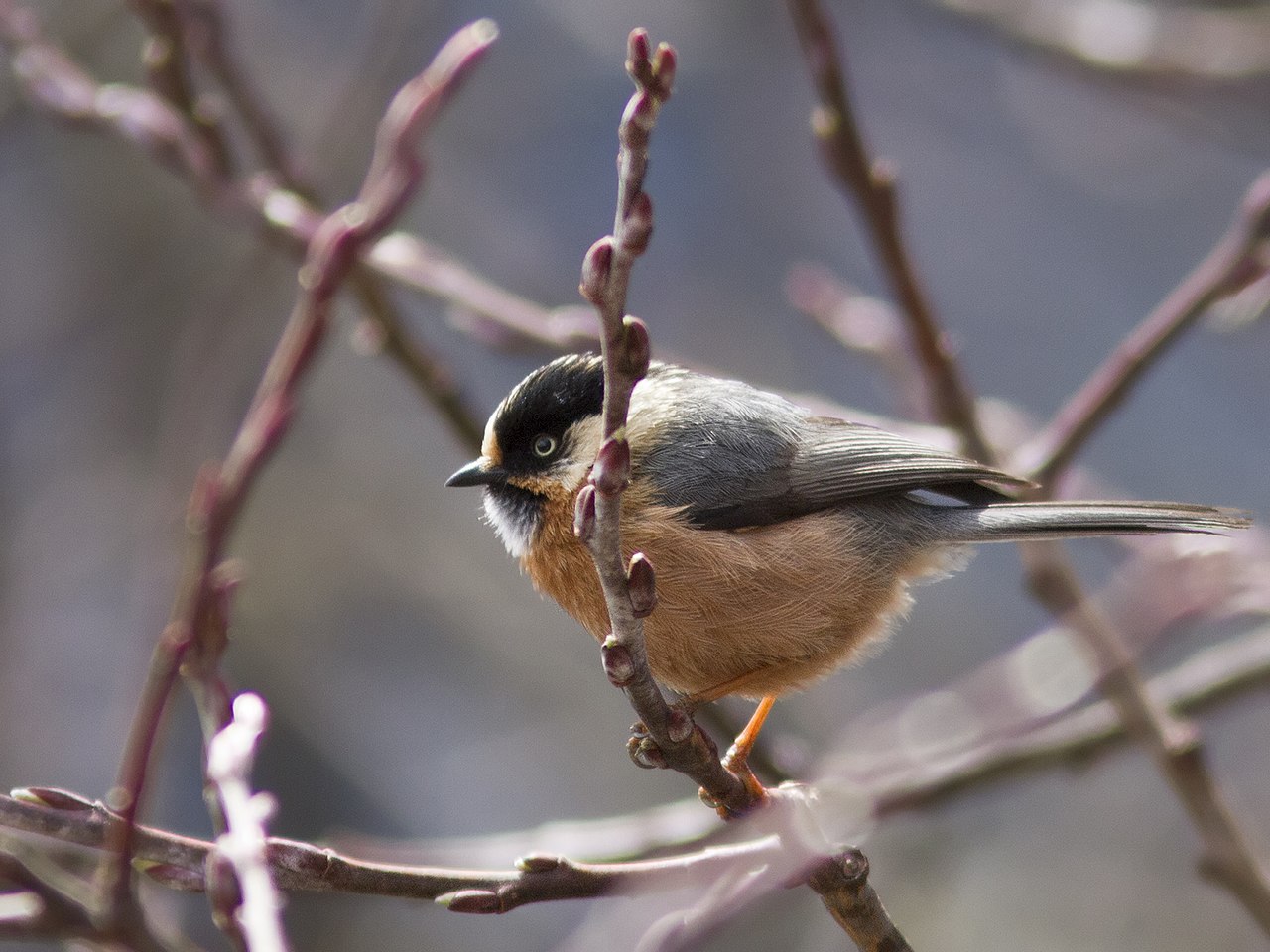
The rufous-faced crake is a species of bird in subfamily Rallinae of family Rallidae, the rails, gallinules, and coots. It is found in Bolivia, Brazil, and Paraguay. This species was formerly placed in the genus Laterallus.
Region
South-central South America
Typical Environment
Occurs in Bolivia, Brazil, and Paraguay, chiefly in the Pantanal and adjacent Cerrado wetlands. Prefers seasonally inundated grasslands, sedge marshes, and edges of shallow ponds with dense cover. Often uses wet pastures and rice fields when suitable emergent vegetation is present. Requires a mosaic of shallow water and thick grassy tussocks for foraging and nesting. Highly localized and patchy where habitat has been altered.
Altitude Range
0–800 m
Climate Zone
Tropical
Ease of Keeping
Beginner friendly: 1/5
A shy, ground-dwelling rail, the rufous-faced crake is far more often heard than seen, slipping through dense, wet grass with remarkable stealth. It inhabits seasonally flooded savannas and marshes and is sensitive to drainage and conversion of wetlands. Its distinctive whistled calls often reveal territories at dawn and dusk. Habitat loss and fragmentation in the Cerrado and Pantanal regions are the primary threats to this species.


Temperament
secretive and skulking
Flight Pattern
short rapid wingbeats, low over vegetation
Social Behavior
Typically encountered singly or in pairs, keeping to dense cover. Forms monogamous pairs during the breeding season and defends small territories. Nests are concealed cups of grasses placed on the ground or low in thick tussocks near shallow water, with both parents participating in care.
Migratory Pattern
Resident
Song Description
Gives a series of clear, whistled notes and trills, often in accelerating sequences. Duetting between pair members is common at dawn and dusk, with calls carrying well across marshes.
Plumage
Compact rail with warm rufous face and neck, olive-brown upperparts, and darker, finely barred flanks. Underparts tend toward slate-gray to dusky with subtle barring on the sides. Tail is short and often held cocked while moving through grass.
Diet
Feeds mainly on small invertebrates such as insects, spiders, and snails gleaned from wet soil, litter, and vegetation bases. Will take larvae and small aquatic invertebrates in shallow water. Occasionally consumes seeds or tender plant matter when available.
Preferred Environment
Forages under dense grasses and sedges at the edges of marshes, wet meadows, and seasonally flooded savannas. Often works along shallow puddles and seepage zones where soft substrates can be probed.