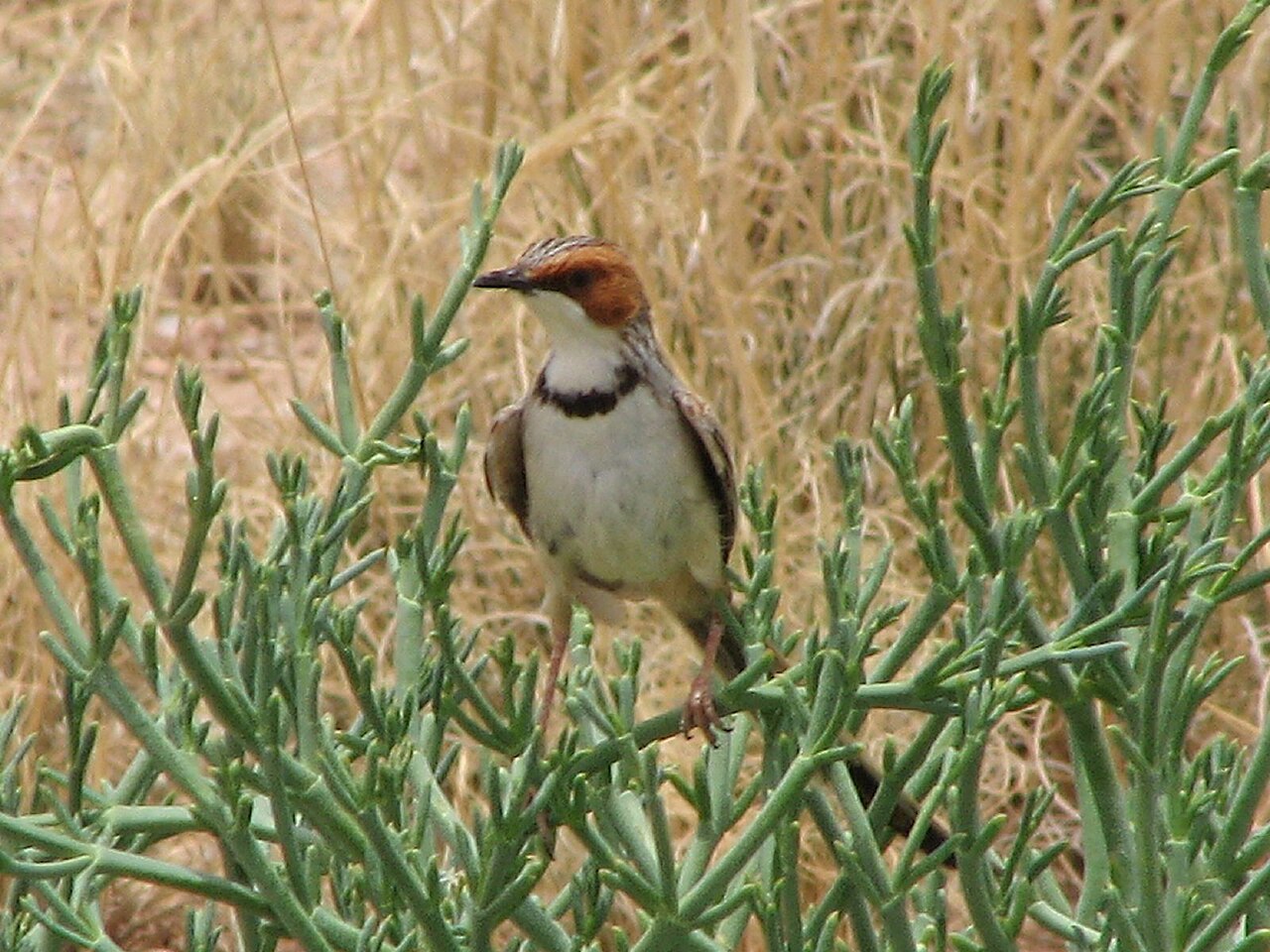
The rufous-crowned laughingthrush is a species of bird in the family Leiothrichidae. It is endemic to Taiwan. It was previously considered conspecific with the white-throated laughingthrush, P. albogularis.
Region
Taiwan (East Asia)
Typical Environment
Occurs in broadleaf evergreen forests, bamboo thickets, and dense secondary scrub, especially along forest edges and gullies. It readily uses regenerating woodland, tea plantations with hedgerows, and thicketed ravines near human settlements. The species spends much time near the ground and in the lower shrub layer, using cover to move between feeding sites. Presence is often revealed by vocal duets and group choruses more than by direct views.
Altitude Range
100–1800 m
Climate Zone
Subtropical
Ease of Keeping
Beginner friendly: 2/5
This laughingthrush is endemic to Taiwan and was formerly treated as a subspecies of the white-throated laughingthrush before being split. It moves in noisy, cohesive parties that keep contact with chattering calls while foraging in dense undergrowth. The species adapts well to secondary growth and forest edge, which has helped it remain fairly common in suitable habitats. Its ringing, chuckling chorus is often the first clue to its presence.

Temperament
social and active but often skulking
Flight Pattern
short rapid wingbeats, usually low through cover
Social Behavior
Typically travels in small, cohesive groups that keep in contact with loud chatter. Pairs may remain within a group during the breeding season and build cup-shaped nests low in dense shrubs or bamboo. Cooperative vigilance helps the flock exploit edges and thickets while avoiding predators.
Migratory Pattern
Resident
Song Description
Loud, melodious chuckles and bubbling phrases delivered in duets and group choruses. Calls include harsh chattering scolds and clear whistles that carry through dense vegetation.
Plumage
Warm brown upperparts with a distinct rufous crown and nape, contrasting with a clean whitish throat and paler underparts tinged buff. The face shows a subtle dark mask through the lores and ear-coverts, with fine dusky malar borders to the white throat. Wings and tail are brown with slightly paler edges; underparts become grayer toward the flanks.
Diet
Takes a varied diet of insects, spiders, and other small invertebrates gleaned from leaf-litter and low foliage. Also consumes berries, small fruits, and seeds, especially outside the peak insect season. Will opportunistically pick fallen fruit and probe mossy logs and bark crevices.
Preferred Environment
Forages on or near the ground in forest edges, thickets, and bamboo understory. Frequently uses semi-open secondary growth, hedgerows, and plantation margins where dense cover is available.