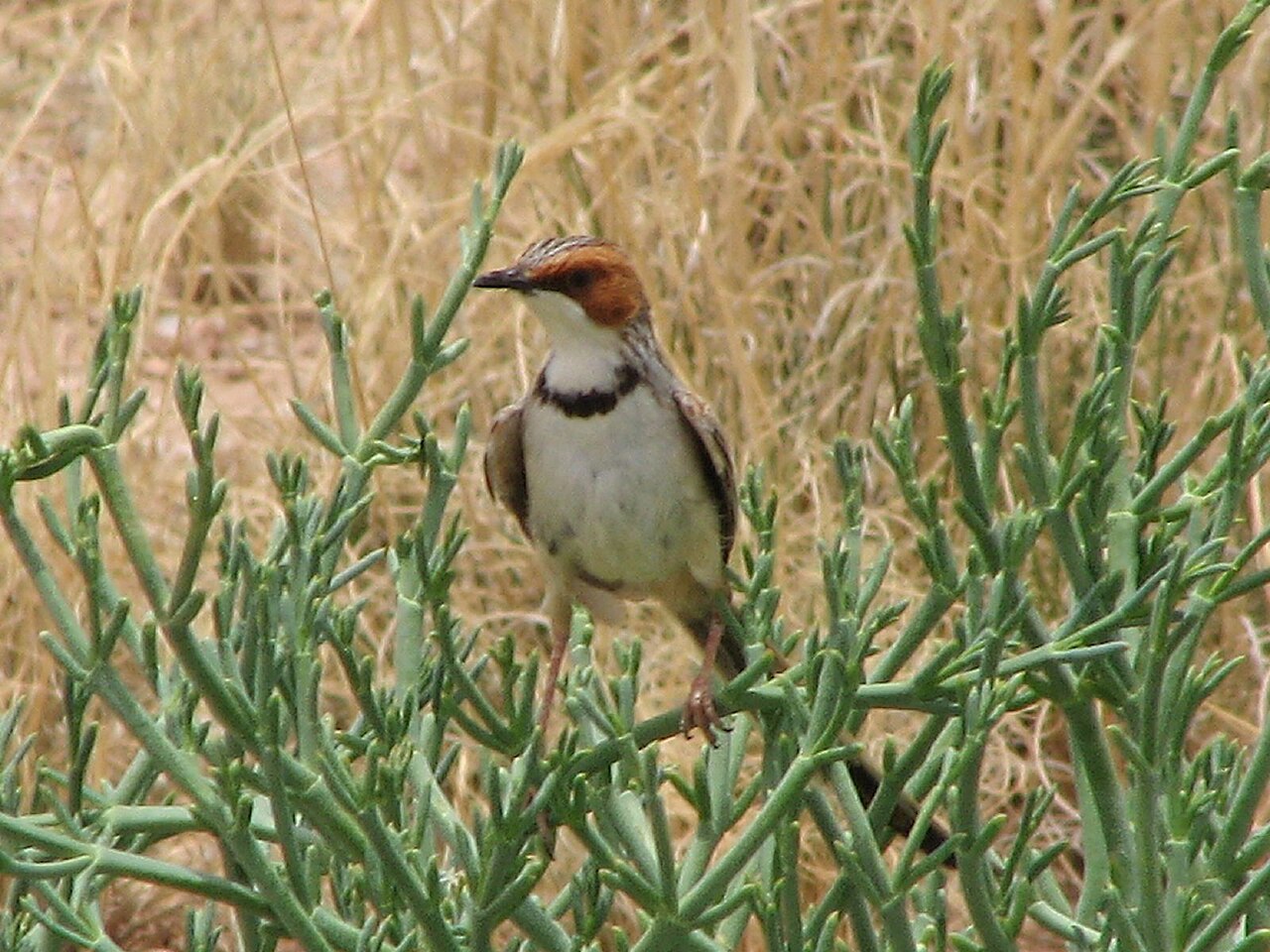
The rufous-crowned greenlet is a species of bird in the family Vireonidae, the vireos. It is found in Argentina, Bolivia, Brazil and Paraguay; also southern regions of the Pantanal surrounding the Paraguay River.
Region
South-central South America
Typical Environment
Occurs in northern Argentina, Bolivia, Brazil, and Paraguay, including riparian woodlands of the Pantanal surrounding the Paraguay River. Prefers semi-open forests, gallery woodland, and edges of dry to semi-deciduous forest. Also uses Chaco-like scrub, cerrado edges, and thickets along watercourses. Typically forages in the mid-canopy but will descend to lower levels in dense cover.
Altitude Range
Sea level to 1500 m
Climate Zone
Subtropical
Ease of Keeping
Beginner friendly: 1/5
The rufous-crowned greenlet is a small vireo-like songbird that forages methodically through foliage, often joining mixed-species flocks. It weaves a delicate cup-shaped nest suspended from forked twigs, a typical vireo trait. Its soft, whistled phrases can be hard to locate as the bird moves quietly in the mid to upper canopy.


Hylophilus poicilotis 1838
Temperament
secretive but active
Flight Pattern
short rapid wingbeats
Social Behavior
Usually found in pairs or small family groups and frequently joins mixed-species flocks while foraging. Builds a small suspended cup nest from plant fibers and spider silk in a forked branch. Both sexes likely share nesting duties and care for the young.
Migratory Pattern
Resident
Song Description
Song consists of soft, clear, whistled phrases delivered at a measured pace, often from within foliage. Calls include thin chips and gentle scolds that can be difficult to pinpoint in dense cover.
Plumage
Olive-green upperparts with a contrasting rufous crown and warmer brownish-olive nape; underparts yellowish to whitish with a pale throat. Feathers are smooth and close-fitting, giving a neat, sleek appearance. Wings and tail are dusky with olive edging.
Diet
Primarily consumes small arthropods such as caterpillars, beetles, and spiders, gleaned from leaves and fine twigs. Occasionally takes small berries or other soft fruits, especially when insect prey is scarce. Foraging is deliberate, inspecting the underside of leaves and probing clusters of foliage.
Preferred Environment
Feeds mostly in the mid to upper canopy of woodland edges, gallery forests, and riparian thickets. Often forages alongside other small insectivores in mixed flocks, moving steadily through continuous cover.