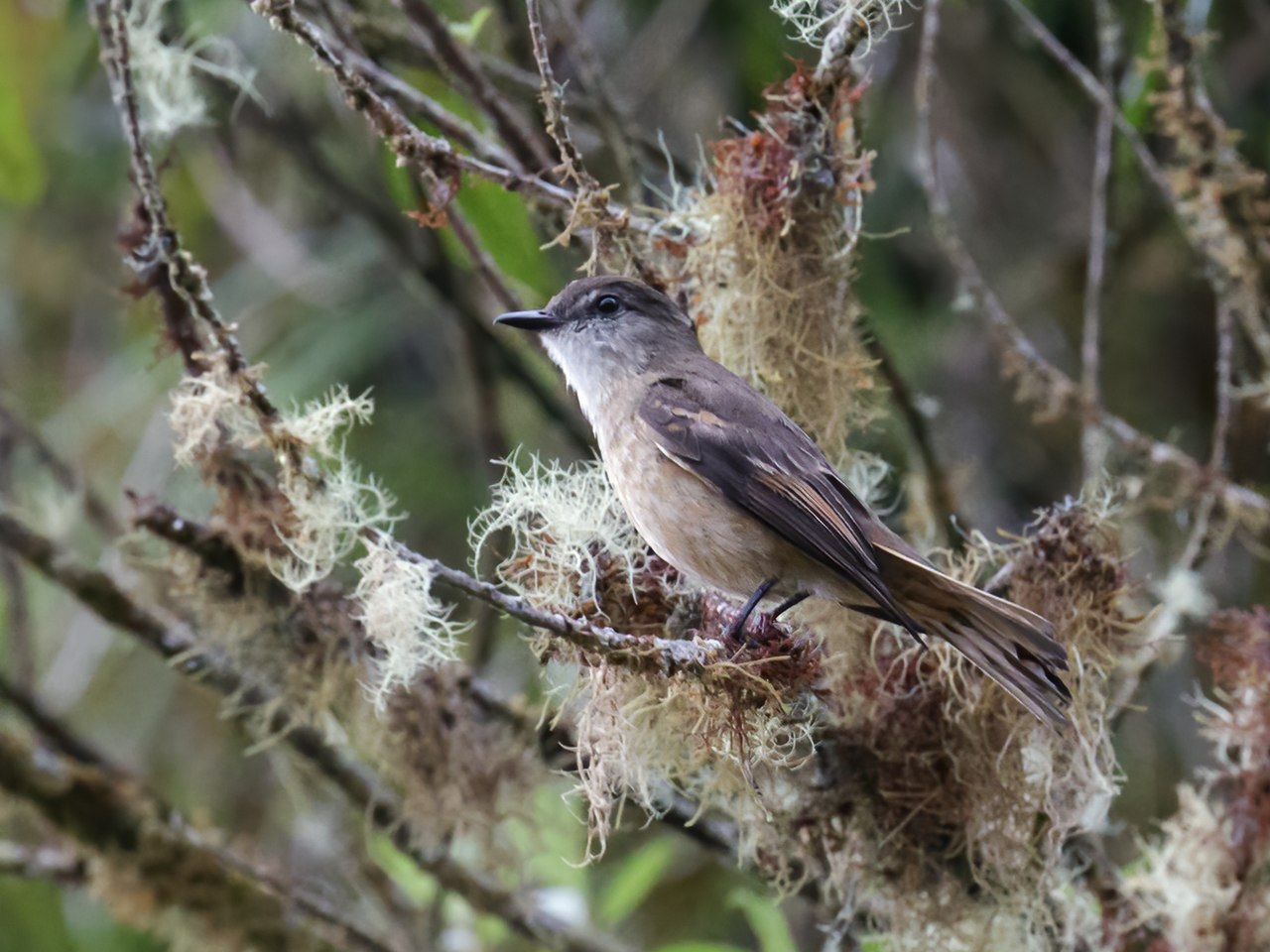
The rufous-backed thrush is a songbird of the thrush family. It is endemic to the Pacific slope of Mexico. It is also known as the rufous-backed robin.
Region
Pacific slope of western Mexico
Typical Environment
It inhabits tropical dry forests, thorn scrub, riparian woodlands, and semi-open areas with scattered trees. The species readily uses second growth, orchards, parks, and suburban gardens. It forages both on the ground in leaf litter and in fruiting trees and shrubs. It is primarily a lowland to foothill bird within its Mexican range.
Altitude Range
0–2000 m
Climate Zone
Tropical
Ease of Keeping
Beginner friendly: 1/5
Also known as the rufous-backed robin, this thrush is a familiar voice in western Mexico’s towns and dry forests. It often visits gardens and fruiting trees and occasionally strays north into the southwestern United States as a rare vagrant. As an omnivore, it helps control insects and disperses seeds.


Temperament
wary but adaptable
Flight Pattern
strong, direct flight with short rapid wingbeats
Social Behavior
Usually solitary or in pairs outside the breeding season, sometimes joining loose mixed flocks at fruiting trees. Nests are cup-shaped and placed in trees or large shrubs; both parents attend the young. Territorial during breeding and vocal at dawn and dusk.
Migratory Pattern
Resident
Song Description
Rich, melodious phrases reminiscent of an American robin, delivered in a clear, fluting series. Calls include sharp chucks and tuks, with a softer tseep while foraging.
Plumage
Gray-brown head and breast with a clean whitish belly, contrasting with a rich rufous back, wings, and tail. The throat is pale with subtle streaking, and the underparts are mostly plain to lightly marked. Feathers are sleek with a smooth, even texture typical of Turdus thrushes.
Diet
Feeds on a mix of insects, spiders, and other small invertebrates gleaned from leaf litter and low vegetation. Fruits and berries are an important part of the diet, especially in the dry season. It will visit fruiting trees, including figs and ornamental plantings, and may take small snails or worms. Diet composition shifts seasonally with food availability.
Preferred Environment
Forages on shaded ground in woodlands, thickets, and garden beds, and also in fruiting trees. Often uses edges, hedgerows, and riparian corridors that provide both cover and food. Comfortable around human-altered landscapes with suitable trees and understory.