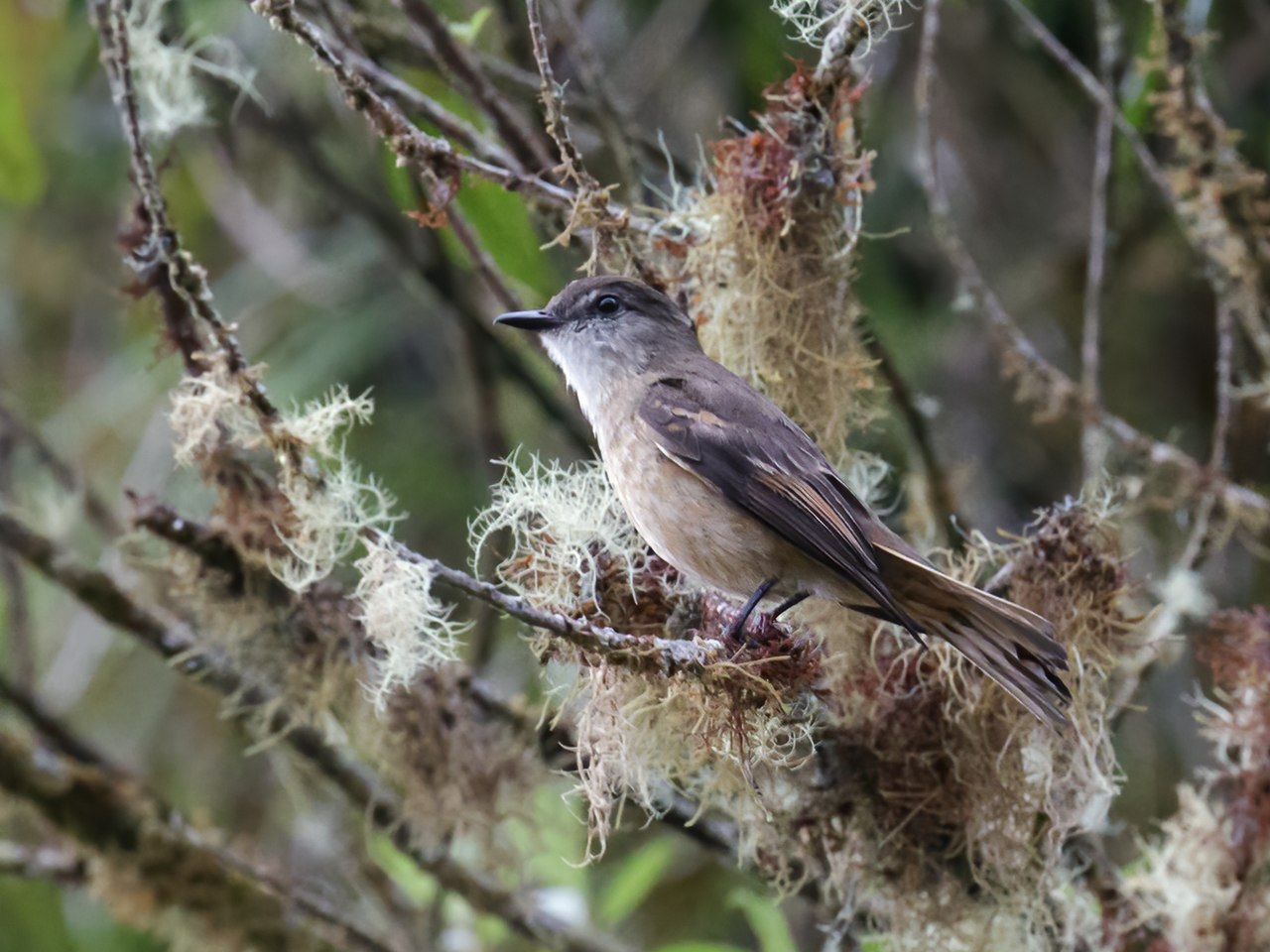
The rufous-banded miner is a species of bird in the subfamily Sclerurinae, the leaftossers and miners, of the ovenbird family Furnariidae. It is found in Argentina, Bolivia, and Chile.
Region
Andes Mountains
Typical Environment
Occurs along arid to semi-arid slopes and plateaus of the central Andean region in northern Chile, western Bolivia, and northwestern Argentina. Prefers open puna and prepuna habitats with sparse shrubs, bunchgrasses, and abundant bare ground or rocky outcrops. Frequently uses eroded banks, road cuts, and soft soils suitable for burrowing. It tolerates harsh, windy conditions and strong solar radiation typical of the high Andes.
Altitude Range
1800–4500 m
Climate Zone
Highland
Ease of Keeping
Beginner friendly: 1/5
This ground-dwelling ovenbird digs burrows in earthen banks or flat ground, using its bill and feet to tunnel to a nesting chamber. Its narrow rufous band across the breast is a key field mark that separates it from similar miners. It often perches on rocks or low mounds to scan for prey before running to seize it. Many populations make short altitudinal movements after breeding to avoid harsh high-Andean winters.


Temperament
solitary and territorial
Flight Pattern
short rapid wingbeats with low, undulating flight
Social Behavior
Typically seen alone or in pairs, maintaining territories during the breeding season. Nests are excavated burrows ending in a chamber lined with plant matter; pairs are likely monogamous. Breeding occurs in the austral spring and summer.
Migratory Pattern
Partial migrant
Song Description
Song is a thin, accelerating series of trills or tinkling notes delivered from a perch or brief song flight. Calls include sharp chips and short rattles used in contact and territorial contexts.
Plumage
Sandy-brown upperparts with slightly darker wings and tail; pale buff underparts crossed by a distinct narrow rufous breast band. Subtle pale supercilium and lightly streaked or mottled mantle. Tail shows rufous tones with a darker subterminal band.
Diet
Feeds primarily on insects and other small arthropods such as beetles, ants, and larvae. Forages by running and pausing to glean or probe in soft soil and among stones. Occasionally takes small seeds or plant matter, especially in harsher seasons when invertebrates are scarce.
Preferred Environment
Open ground with sparse vegetation, including puna grassland, stony flats, and road edges. Often forages near its burrow sites on sun-exposed slopes and rocky terraces.