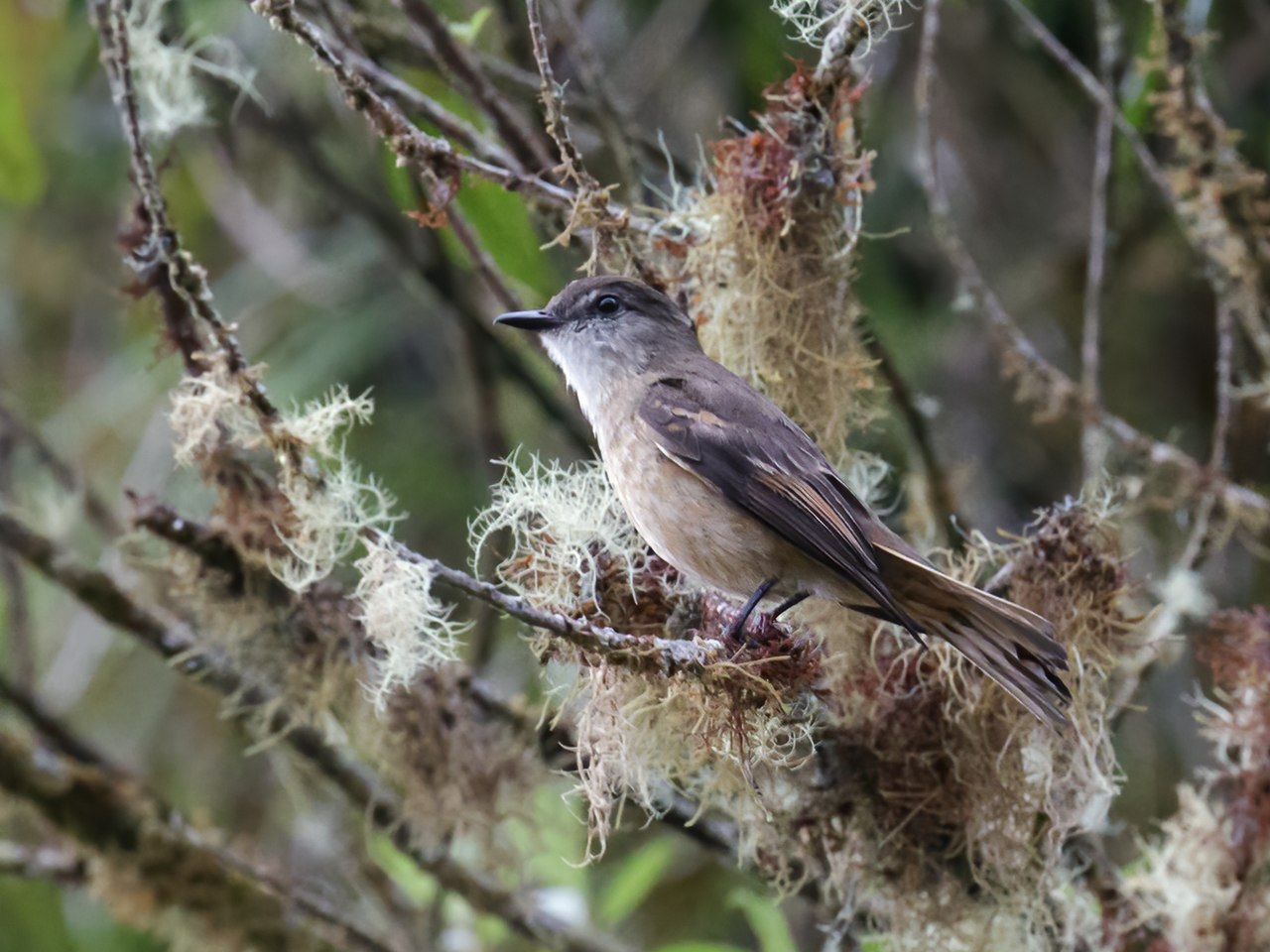
The rufous-banded honeyeater is a species of bird in the family Meliphagidae. It is found in the Aru Islands, New Guinea and northern Australia. Its natural habitat is subtropical or tropical mangrove forests. The rufous-banded honeyeater is considered one of the most common small birds in the suburban ecosystem of Darwin, Australia, notable because its lack of introduced bird species. It is also native to Queensland, Australia. Ornithologist F. Salomonsen recognized two subspecies of rufous-banded honeyeater, Conopophila albogularis and Conopophila mimikae but J. Ford disagreed with this subspeciation.
Region
Northern Australia and southern New Guinea
Typical Environment
Occurs from the Kimberley and Top End across northern Australia into the Gulf Country and Cape York, and northward through southern New Guinea and the Aru Islands. Most abundant in coastal and subcoastal mangroves, Melaleuca (paperbark) swamps, and monsoon forest edges. Also uses riparian woodland, open savanna with flowering shrubs, and urban parks and gardens, especially where native trees bloom. Frequently found near water and along estuaries but readily ventures into suburban areas with suitable nectar sources.
Altitude Range
Sea level to 600 m
Climate Zone
Tropical
Ease of Keeping
Beginner friendly: 1/5
A small honeyeater of the Australo-Papuan tropics, it thrives in mangroves, paperbark swamps, and urban gardens, and is one of the common suburban birds around Darwin. Its name refers to the distinctive rufous band across the upper breast set against a white throat. It often follows flowering trees and shrubs, sipping nectar and gleaning insects, and will occasionally hover briefly at blossoms. Pairs maintain small territories in the breeding season and build neat cup nests suspended in vegetation.


Rufous-banded honeyeater on lotus stem - Fogg Dam - Northern Territory - Australia

Rufous-banded honeyeater with insect - Fogg Dam - Northern Territory - Australia

Rufous-banded honeyeater in black eattle - Fogg Dam - Northern Territory - Australia
Temperament
social and active
Flight Pattern
short rapid wingbeats with quick darts between perches
Social Behavior
Often seen in pairs or small groups, becoming more territorial during the breeding season. Builds a small, neatly woven cup nest suspended from thin branches, often in mangroves or paperbarks. May join mixed-species foraging groups outside breeding periods.
Migratory Pattern
Partial migrant
Song Description
A lively series of clear, tinkling notes interspersed with chatters and scolds. Calls are sharp and carrying, often delivered from exposed perches while foraging or defending territory.
Plumage
Clean white throat and upper breast crossed by a distinct rufous band; underparts otherwise whitish to pale buff. Upperparts are grey-brown to olive-brown with a slightly paler rump. The face shows darker lores and a subtle mask, with fine, sleek feathering typical of honeyeaters.
Diet
Takes nectar from flowering trees and shrubs such as Melaleuca and Eucalyptus, often probing blossoms methodically and occasionally hovering. Also gleans small insects, spiders, and other arthropods from foliage and bark. Will opportunistically take sugary exudates and lerps, and sometimes soft fruits.
Preferred Environment
Feeds in mangroves, paperbark swamps, riparian edges, and open woodland, frequently visiting flowering trees. In towns, forages in gardens and streetscapes rich in native blooms and along watercourses.