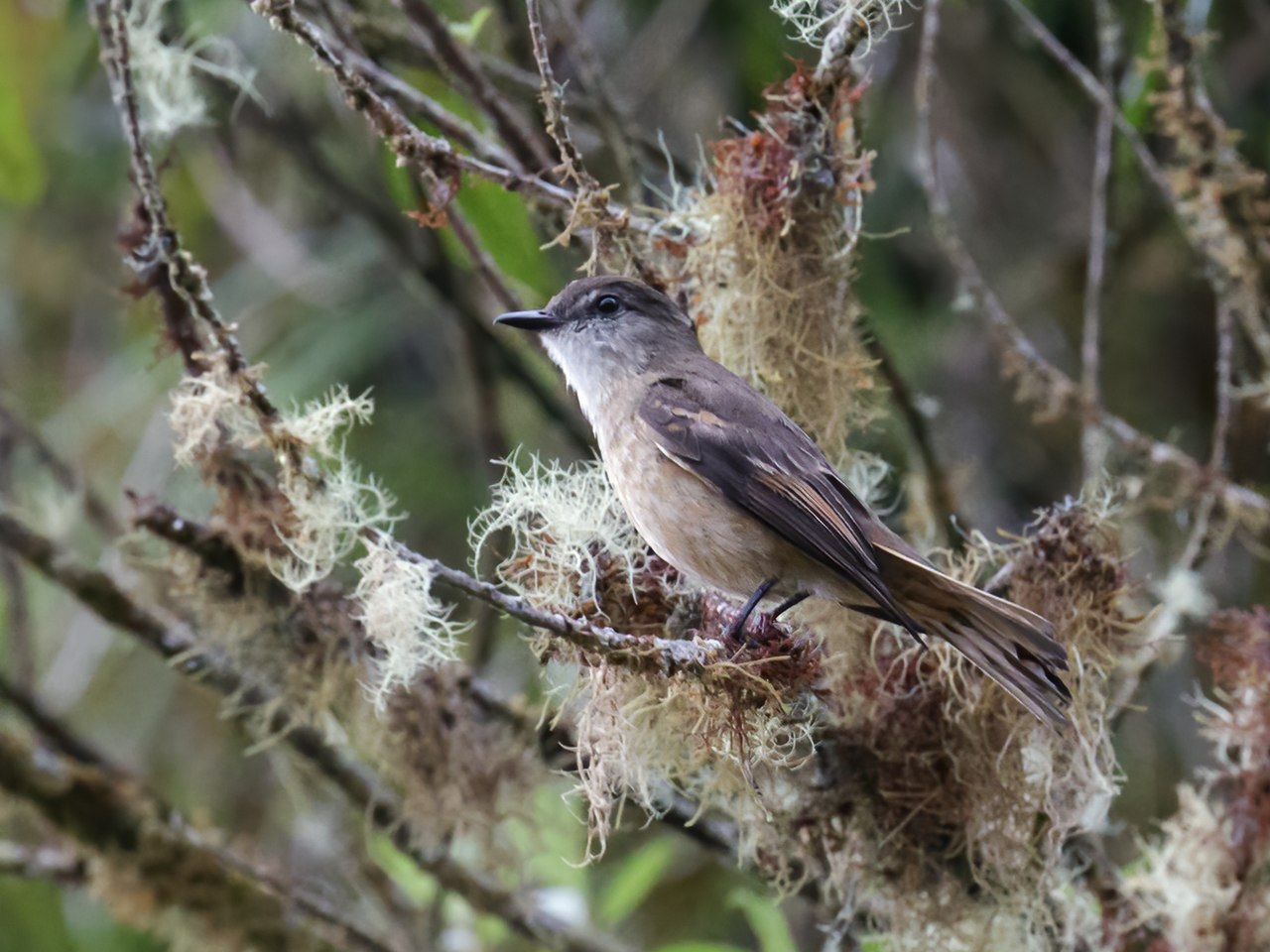
The rufous-backed wren is a songbird of the family Troglodytidae. It is a resident breeding species from southwest Mexico to northwestern Costa Rica.
Region
Pacific slope of Mesoamerica
Typical Environment
Occurs from southwestern Mexico south along the Pacific lowlands through Guatemala, El Salvador, and Nicaragua to northwestern Costa Rica. It favors tropical dry forest, thorn scrub, second-growth, and edges of agricultural areas and towns. Often seen in open woodland with scattered trees, hedgerows, and cacti, where it forages from ground level to mid-canopy. Nests are commonly placed in thorny trees or cacti that offer protection from predators. The species tolerates habitat fragmentation and persists well in human-altered environments.
Altitude Range
0–1500 m
Climate Zone
Tropical
Ease of Keeping
Beginner friendly: 1/5
This large wren is part of a former species complex that was split, with Rufous-backed Wren now recognized from southwest Mexico to northwestern Costa Rica. It is conspicuously social and often breeds cooperatively, with offspring from previous broods helping feed new chicks. Pairs and family groups build bulky stick nests used for both breeding and communal roosting. It readily adapts to human-modified landscapes, frequenting gardens, ranchlands, and village edges.


in Guanacaste province, Costa Rica

in El Salvador

In San José, Costa Rica

Temperament
social and active
Flight Pattern
short rapid wingbeats with low, direct flights between perches
Social Behavior
Forms stable family groups that maintain territories year-round. Cooperative breeding is common, with helpers assisting a dominant pair. Builds large, gourd-like stick nests used for breeding and communal roosting; nests are often placed in thorny vegetation for defense. Pairs engage in mutual preening and maintain close contact while foraging.
Migratory Pattern
Resident
Song Description
Vocal, with loud, musical phrases delivered in duets and choruses by pairs and family groups. Songs mix rich whistles with harsher chatters; scolding calls are harsh and churring when alarmed.
Plumage
Upperparts rich rufous with darker barring on the wings and tail; underparts whitish to buff with subtle dark spotting or barring on the flanks. The head shows a striking pattern with a bold white supercilium contrasting a darker crown and eye-line. Tail is barred with contrasting pale tips; feathers appear coarse and slightly shaggy on the back. Overall impression is a large, robust wren with strong patterning and warm rufous upperparts.
Diet
Takes a wide range of arthropods including beetles, caterpillars, spiders, and orthopterans. Also consumes berries, small fruits, and occasionally nectar. Opportunistic near human habitation, where it may glean insects from structures or forage for scraps. Foraging is methodical, probing bark, leaf clusters, and debris, and sometimes gleaning from the ground.
Preferred Environment
Forages in dry forest edges, thorn scrub, gardens, and ranchlands, moving through shrubs, cacti, and low trees. Often searches in mixed-height vegetation and on exposed branches. Frequently seen in small groups that work through a territory together.