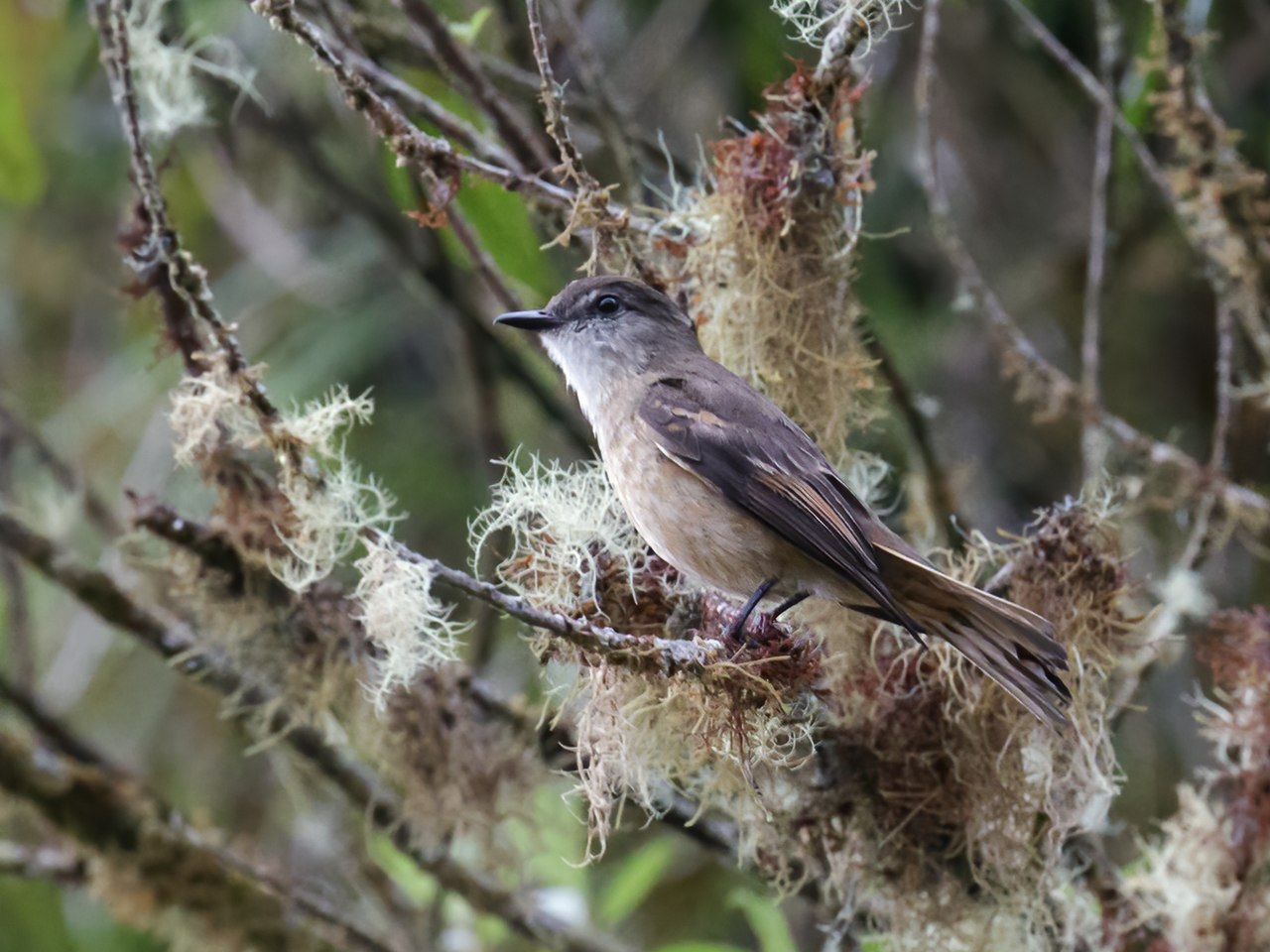
The rufous-bellied antwren is a species of bird in subfamily Thamnophilinae of family Thamnophilidae, the "typical antbirds". It is found in Brazil, French Guiana, Guyana, Suriname, and Venezuela.
Region
Guiana Shield and northern Amazon Basin
Typical Environment
Occurs in Brazil (north), French Guiana, Guyana, Suriname, and southern Venezuela. Prefers humid lowland rainforest, especially dense understory, vine tangles, and thickets near forest edges and streams. It uses both terra firme and older secondary growth where cover is thick. Often keeps close to the ground and mid-understory, where it can move swiftly between tangles.
Altitude Range
Sea level to 1000 m
Climate Zone
Tropical
Ease of Keeping
Beginner friendly: 1/5
A small, understory antbird of the Guiana Shield, the rufous-bellied antwren is named for its rich rufous underparts. It forages quietly in dense thickets and often joins mixed-species flocks. The species was formerly placed in the genus Myrmotherula but is now in Isleria based on vocal and genetic differences.


Temperament
secretive and active
Flight Pattern
short rapid wingbeats
Social Behavior
Usually found singly or in pairs, moving quickly through dense understory cover. Frequently joins mixed-species flocks of understory insectivores. Nests are placed low in vegetation; both parents participate in parental care.
Migratory Pattern
Resident
Song Description
Song is a short series of thin, high-pitched notes that accelerate slightly and may end in a brief trill. Calls are sharp chips and soft ticking notes given while foraging.
Plumage
Compact antwren with rufous to cinnamon underparts and olive-brown to brown upperparts; wings show fine, pale wingbars. Plumage is fairly plain above but warm below, with short tail and neat, smooth feathering.
Diet
Feeds primarily on small arthropods including insects and spiders. Gleans from leaves, twigs, and vine tangles, and makes short sallies to snatch prey. Often forages in association with mixed flocks, which helps flush hidden prey. Rarely, it may take tiny berries, but animal prey dominates.
Preferred Environment
Dense understory of humid forest, especially vine tangles, young growth, and along streams and edges. Often stays within a few meters of the ground where cover is thickest.