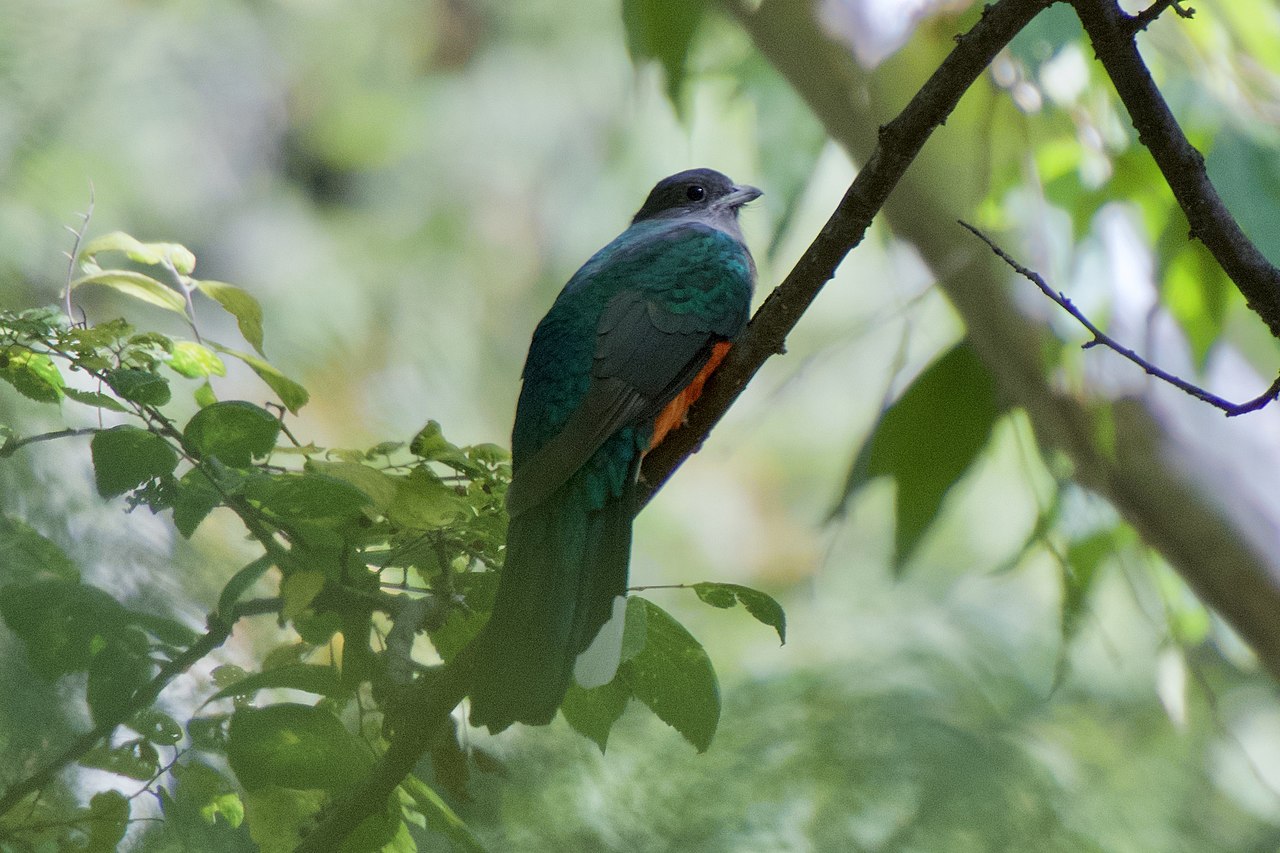
The eared poorwill is a species of nightjar in the family Caprimulgidae. It is endemic to Mexico.
Region
Southwestern Mexico
Typical Environment
Endemic to Mexico, it is found mainly along the Pacific slope in dry to semi-humid foothill and montane forests. Typical habitats include pine–oak and tropical deciduous forest, forest edges, and semi-open woodland with leaf-littered ground. It often uses clearings, tracks, and ravines for foraging at night. By day it roosts in shaded leaf litter or on horizontal branches, relying on cryptic plumage. It tolerates some habitat mosaic but declines with extensive deforestation.
Altitude Range
300–1900 m
Climate Zone
Subtropical
Ease of Keeping
Beginner friendly: 1/5
The eared poorwill is a nocturnal nightjar with subtle, ear-like feather tufts that give it its name. It relies on superb camouflage, roosting on the ground or low branches by day and becoming active at dusk. Males often show white tail corners and a bold white throat patch used in display. Its mellow, repetitive whistles carry through dry forests on warm nights.
Temperament
solitary and secretive
Flight Pattern
buoyant, silent wingbeats with short sallies low over the ground
Social Behavior
Usually encountered singly or in pairs, roosting motionless by day. Nesting is on bare ground or leaf litter without a constructed nest, typically laying two eggs. Pairs maintain small territories, and the male performs soft vocal and aerial displays near dusk. Adults rely on stillness and camouflage to avoid predators.
Migratory Pattern
Resident
Song Description
A mellow, repetitive whistled series reminiscent of 'poo-or will', delivered at dusk and through the night. Calls may accelerate or space out depending on context, with soft contact notes exchanged between mates.
Plumage
Cryptic mottled mix of browns, greys, and rufous with fine buff speckling that mimics leaf litter.
Diet
Primarily takes nocturnal flying insects such as moths, beetles, crickets, katydids, flying ants, and termites. It hawks prey on the wing using a wide gape and sensitive bristles around the bill. Occasionally it snaps up insects from the ground or low perches. Foraging is most active along forest edges and open tracks where insects congregate.
Preferred Environment
Feeds along roads, trails, clearings, and forest edges where moonlight or ambient light aids aerial hawking. Roosts in shaded understory or on low branches within adjacent woodland during the day.