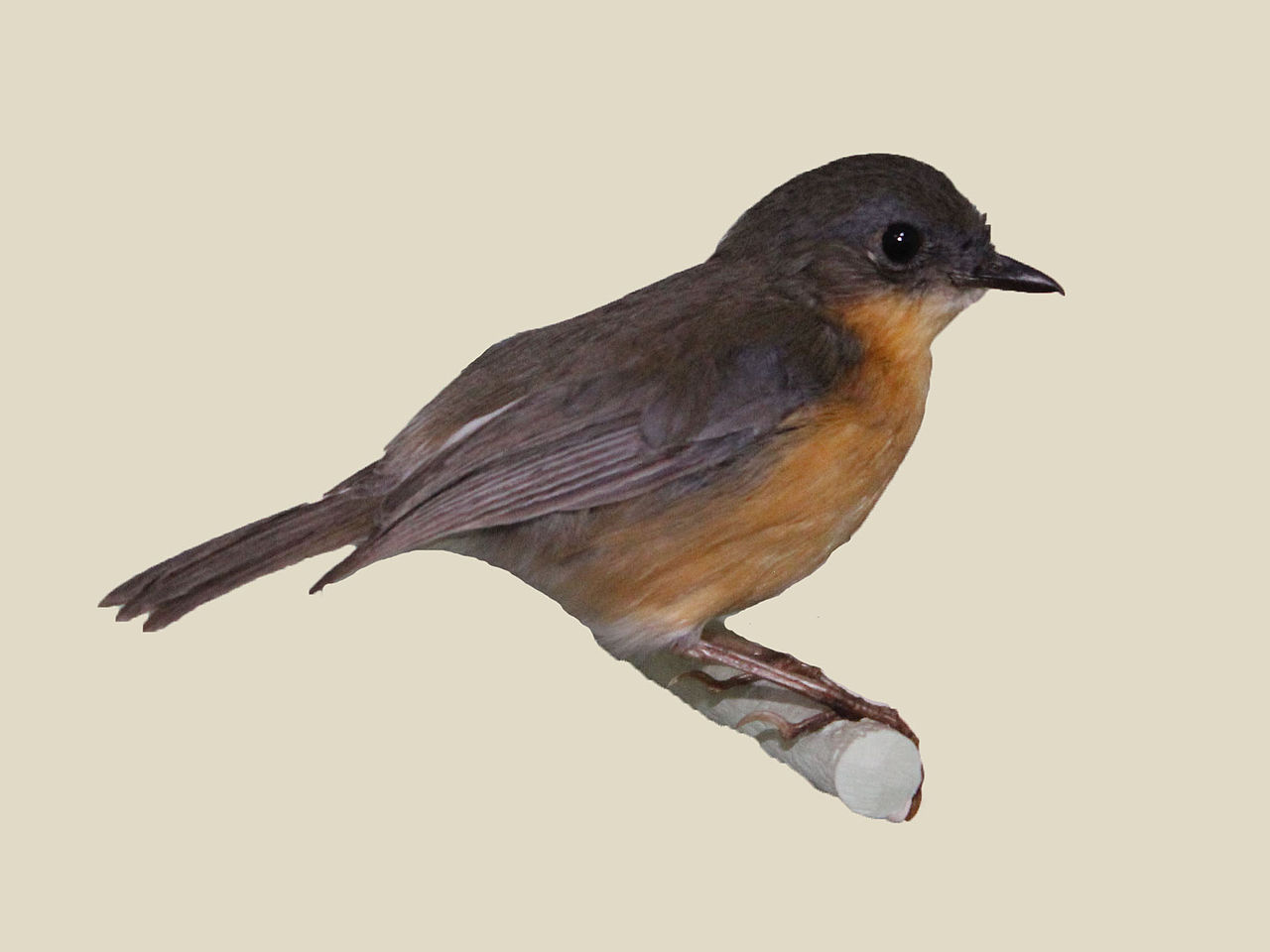
The East Brazilian chachalaca is a species of bird in the family Cracidae, the chachalacas, guans, and curassows. It is endemic to eastern Brazil.
Region
Eastern Brazil (Atlantic Forest)
Typical Environment
Occurs in remnant Atlantic Forest, semi-deciduous woodland, restinga, and forest-edge scrub in eastern Brazil. It favors disturbed and secondary habitats, including cacao cabrucas, orchards, and rural mosaics near forest fragments. Birds forage from understory to mid-canopy but also descend to the ground for fallen fruit. They persist in small forest patches where hunting pressure is low. Human-altered landscapes with fruiting trees can support local populations.
Altitude Range
Sea level to 1200 m
Climate Zone
Tropical
Ease of Keeping
Beginner friendly: 2/5
The East Brazilian chachalaca is a medium-sized cracid that thrives in forest edges and secondary growth of Brazil’s Atlantic Forest. It is known for its loud, chorus-like dawn calls that carry over long distances. Highly social, it often moves in small family groups and plays an important role in seed dispersal.


Temperament
wary but social
Flight Pattern
short rapid wingbeats followed by glides
Social Behavior
Usually found in pairs, family parties, or small groups that move together through trees and along forest edges. Nests are shallow platforms placed in dense vegetation or small trees. Clutches are small, and both parents help guard the brood. Groups often engage in communal calling at dawn.
Migratory Pattern
Resident
Song Description
A loud, raucous chorus of chattering and repeated cha-cha-lá-ca notes given at dawn and dusk. Calls are nasal and far-carrying, often delivered antiphonally by group members.
Plumage
Mostly olive-brown to brown upperparts with a greyer head and neck, and paler, buff-washed underparts. Tail is long and broad with contrasting pale or whitish tips. Feathers appear slightly loose-textured, giving a soft, matte look.
Diet
Primarily consumes a wide variety of native and cultivated fruits, complemented by young leaves, buds, and flowers. It occasionally takes seeds and small invertebrates, especially when fruit is scarce. By swallowing fruits whole and defecating the seeds, it acts as an effective seed disperser. Foraging often occurs quietly as birds move along branches and glean fruit clusters.
Preferred Environment
Feeds in forest edges, secondary growth, fruiting trees in agroforestry systems, and along riparian strips. Will also forage on the ground for fallen fruit near cover.