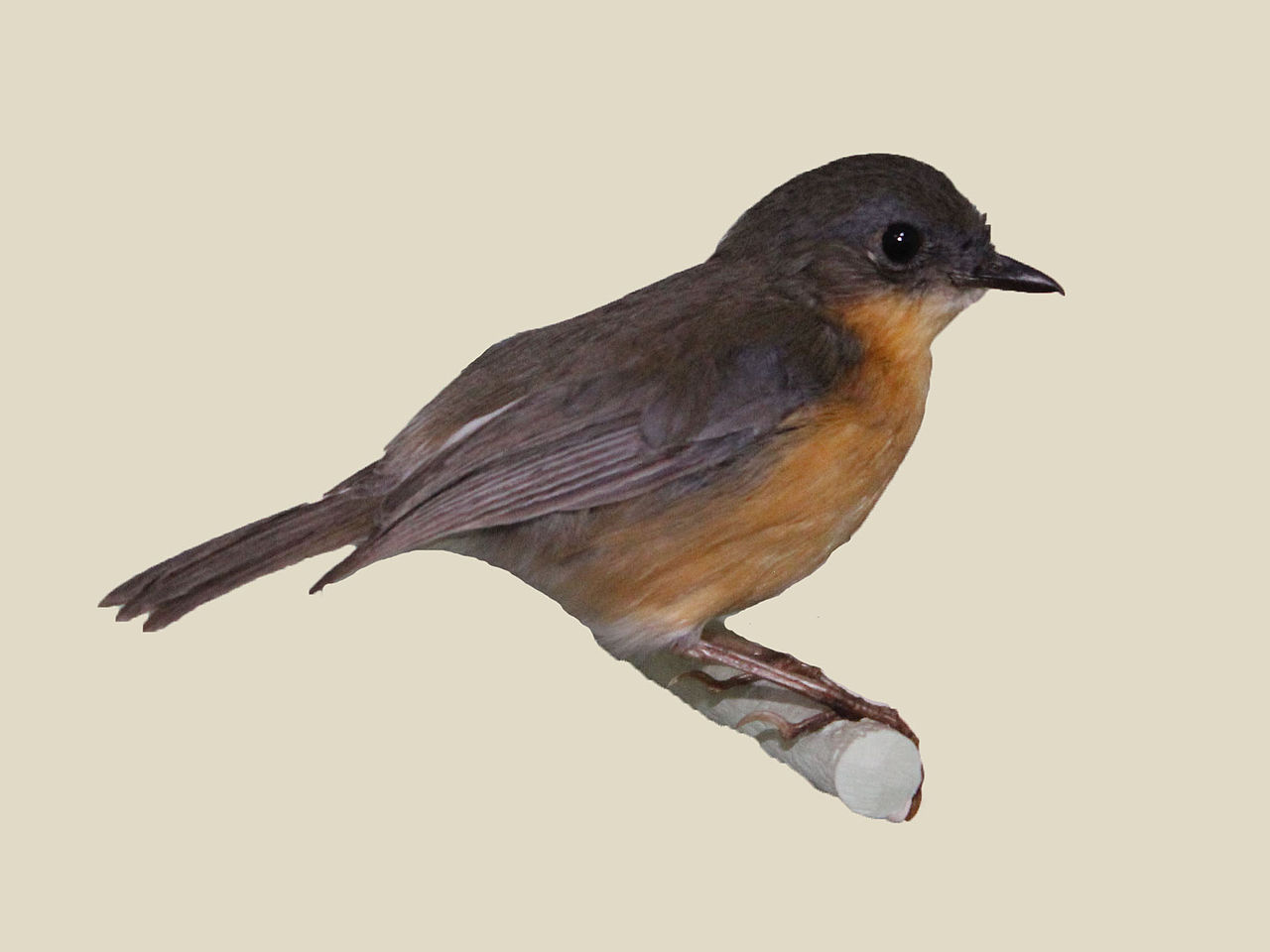
The East Andean antbird is a species of bird in subfamily Thamnophilinae of family Thamnophilidae, the "typical antbirds". It is endemic to Colombia.
Region
Northern Andes
Typical Environment
Found in humid montane forests of Colombia’s Eastern and Central Andes, favoring dense understory, vine tangles, and bamboo (especially Chusquea). It keeps near forest edges, ravines, and secondary growth with thick cover, but also occurs in mature cloud forest understory. The species typically forages within a meter or two of the ground, moving methodically through shaded thickets. It may join mixed-species flocks but is most often encountered as pairs.
Altitude Range
900–2600 m
Climate Zone
Highland
Ease of Keeping
Beginner friendly: 1/5
The East Andean antbird is a shy understory specialist of Colombia’s Eastern and Central Andes, often keeping to dense thickets and bamboo where it forages close to the ground. It is part of the typical antbird family and may occasionally attend army ant swarms, though it is not an obligate follower. Pairs are territorial year-round and communicate with distinctive whistled songs. Its long, graduated tail and subtle streaking help distinguish it from other montane antbirds.


Temperament
solitary and territorial
Flight Pattern
short rapid wingbeats
Social Behavior
Usually found as pairs maintaining small territories in dense understory. May loosely associate with mixed-species flocks while foraging but keeps to cover. Nests are typically low, cup-shaped structures placed in shrubs or bamboo, with both parents investing in care. Breeding is presumed monogamous.
Migratory Pattern
Resident
Song Description
Song is a series of clear, whistled notes that accelerate into a short trill, carrying well through the understory. Calls include sharp chips and soft scolds given between pair members. Vocalizations are useful for detection due to the species’ secretive habits.
Plumage
Understory antbird with a long, graduated tail; males tend to be dark slate-gray to blackish with fine pale streaking, while females are warmer brown with buffy underparts and subtle streaks. Both sexes often show narrow white wingbars and pale tips or spots on the tail. Feathers appear soft and sleek, aiding in silent movement through dense cover.
Diet
Primarily small arthropods such as ants, beetles, spiders, and caterpillars gleaned from leaves, twigs, and the forest floor. It occasionally sallies for disturbed prey and will pick insects from vine tangles and bamboo culms. The species may at times attend army ant swarms to exploit flushed prey but is not an obligate follower.
Preferred Environment
Feeds in dense understory of humid montane forest, especially in viney thickets and bamboo stands. Often forages along shaded trails, ravines, and forest edges where cover is continuous.