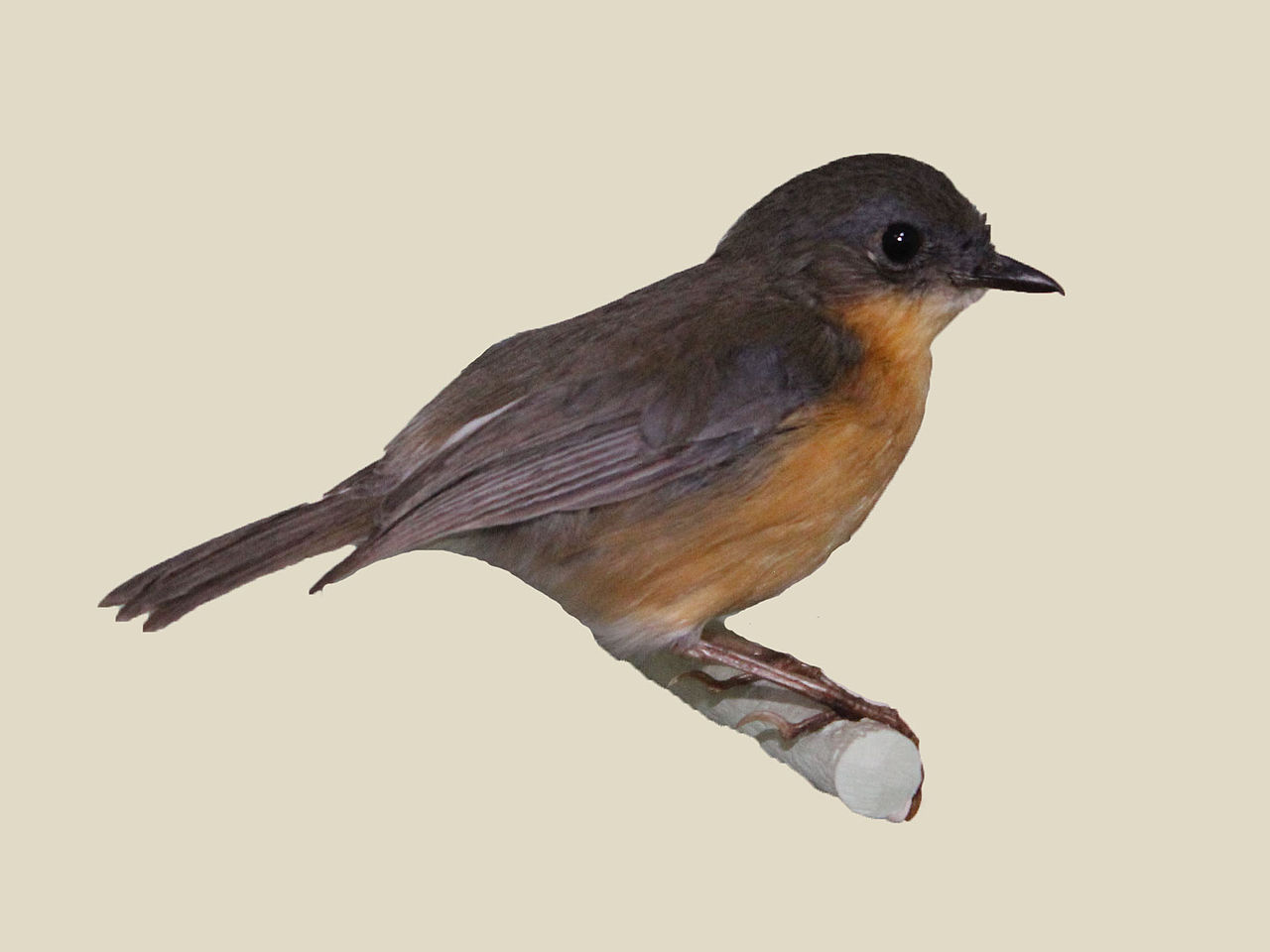
The East Brazilian pygmy owl, also known as least pygmy-owl or Sick's pygmy-owl, is a small owl in the typical owl family.
Region
Atlantic Forest of Eastern Brazil
Typical Environment
Occurs in lowland and foothill evergreen and semideciduous forests, including secondary growth and well-wooded edges. Frequently uses forest borders, clearings with scattered trees, and riparian corridors where small prey is abundant. It tolerates some habitat fragmentation and can persist in mixed agroforestry and shaded plantations. Uses cavities in mature trees for nesting, often where woodpeckers are present.
Altitude Range
Sea level to 1200 m
Climate Zone
Tropical
Ease of Keeping
Beginner friendly: 1/5
This tiny owl of Brazil’s Atlantic Forest is active by day as well as at dawn and dusk, unusual among owls. It has bold false eye-spots on the nape to deter predators and confuse mobbing birds. Taxonomy has been debated, and it has been treated variously as the least pygmy-owl or Sick’s pygmy-owl in different classifications.


Glaucidium minutissimum. Museum specimen
Temperament
solitary and territorial
Flight Pattern
short rapid wingbeats with brief glides
Social Behavior
Usually solitary outside the breeding season, defending small territories centered on good perches. Nests in tree cavities, often old woodpecker holes; clutch size is small. The male provisions the female and chicks, and both adults aggressively mob intruders near the nest.
Migratory Pattern
Resident
Song Description
A series of clear, evenly spaced toots that accelerate slightly toward the end, often delivered from exposed perches at dawn and dusk. Also gives sharp scolds and soft whistles when agitated or during pair contact.
Plumage
Compact, round-headed owl with finely spotted brown crown and nape, white nuchal eye-spots, and barred brown tail. Underparts are white to buff with narrow brown streaks; upperparts brown with small pale spots. Lacks ear tufts; short tail and relatively long legs give a perched, upright look.
Diet
Takes large insects such as beetles, katydids, and moths, as well as small lizards and frogs. Will ambush small passerine birds, especially when mobbing behavior reveals them. Hunts from low to mid-story perches, making short sallies to seize prey, and occasionally gleans prey from foliage and branches.
Preferred Environment
Favors forest edges, light gaps, and along trails where visibility for perch-hunting is good. Often forages near riparian strips and in semi-open woodland or shaded plantations adjacent to intact forest.