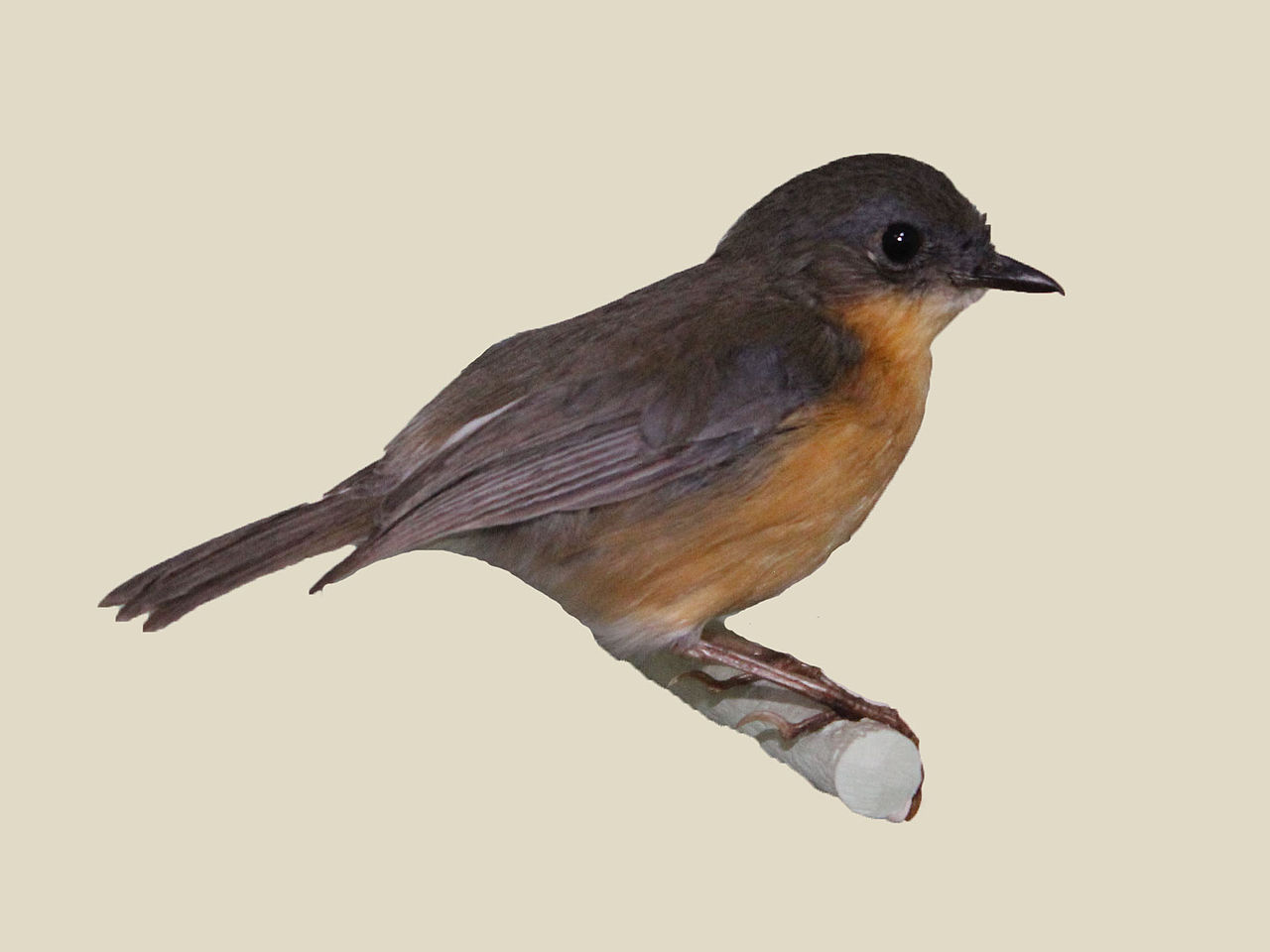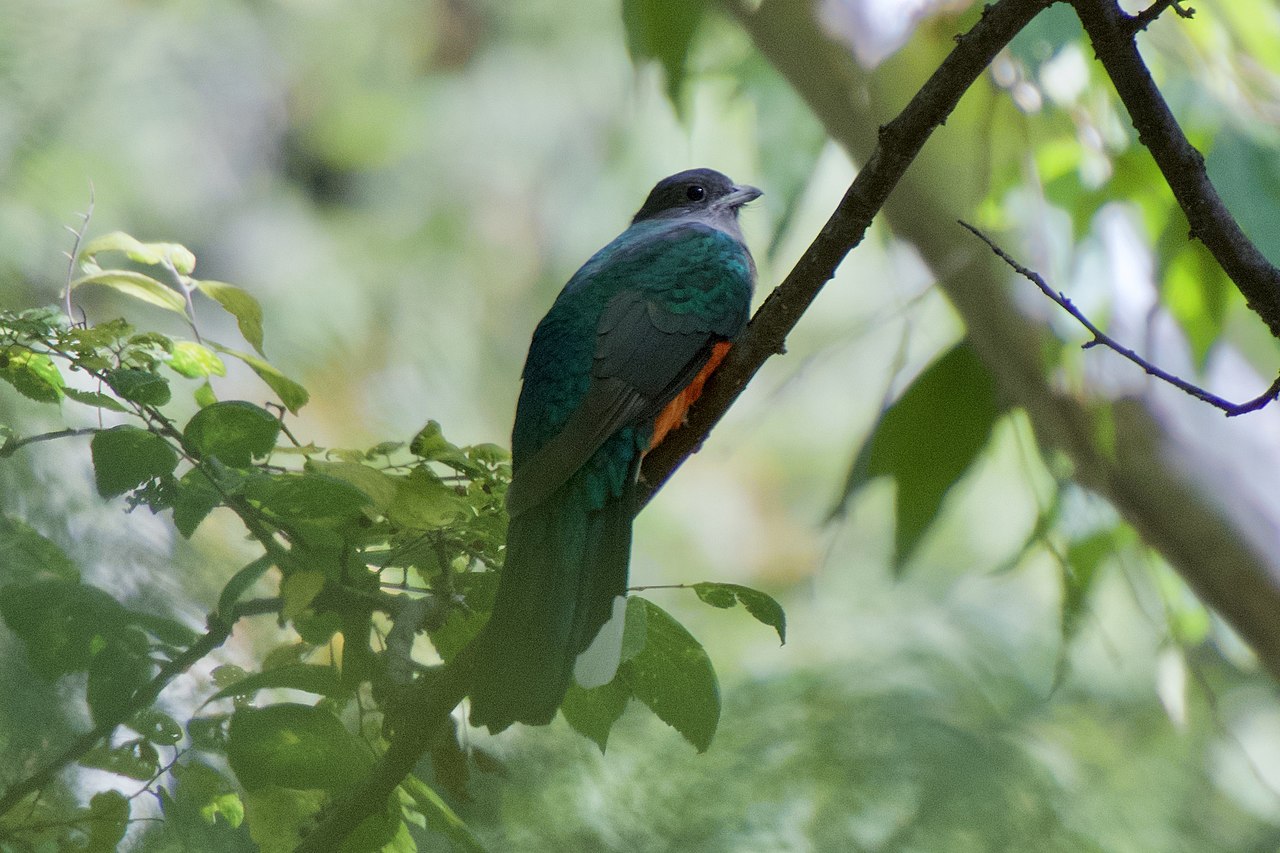
The eared quetzal, also known as the eared trogon, is a near passerine bird in the trogon family, Trogonidae. It is native to streamside pine-oak forests and canyons in the Sierra Madre Occidental of Mexico from northern Sonora and Chihuahua south to western Michoacán. The species has occurred on rare occasions in southeastern Arizona, where it has been recorded nesting.
Region
Sierra Madre Occidental
Typical Environment
Primarily inhabits streamside pine–oak and mixed conifer woodlands in steep montane canyons from northern Sonora and Chihuahua south to western Michoacán. It is closely associated with madrones, sycamores, and other broadleaf trees embedded in coniferous slopes. Birds perch in the mid-canopy or on shaded canyon walls, making short sallies for fruit and insects. Rare vagrants reach southeastern Arizona, where nesting has been recorded in a few years with strong fruit crops.
Altitude Range
1200–3000 m
Climate Zone
Highland
Ease of Keeping
Beginner friendly: 1/5
The eared quetzal—also called the eared trogon—is the only member of its genus and the only quetzal that reaches the United States on rare occasions. It favors cool, shaded canyons with pine–oak and madrone, where it often perches quietly for long periods. Its name comes from distinctive ear-like feather tufts. In good fruit years it may wander locally and become more conspicuous.


Temperament
shy and crepuscularly active
Flight Pattern
short rapid wingbeats between perches, strong but brief dashes through canopy
Social Behavior
Typically seen singly or in pairs; forms loose family groups after breeding when food is abundant. Nests in tree cavities, often old woodpecker holes or soft, decayed trunks along shady canyons. Both parents share incubation and provisioning duties.
Migratory Pattern
Resident
Song Description
Gives a series of low, hollow cooing notes and mellow whistles that carry along canyon walls. Calls can accelerate into a resonant, rhythmic sequence during territorial or pair-contact displays.
Plumage
Male shows glossy iridescent green upperparts and head with a contrasting white breast band and bright red belly; tail above is green, below mostly white with dark barring. Female is duller with brownish head and breast, greenish upperparts, and a red belly that is less vivid. Both sexes have short, rounded wings and a long, graduated tail.
Diet
Feeds heavily on fruits and berries, especially madrone, oak mast, and other montane broadleaf fruits. Supplements diet with insects such as beetles, caterpillars, and katydids, taken by sallying from a perch or gleaning foliage. Occasionally takes small invertebrates flushed from streamside vegetation.
Preferred Environment
Forages along shaded canyon streams, mid-canopy edges, and fruiting trees embedded within pine–oak slopes. Frequently returns to reliable fruiting trees and may join mixed-species feeding aggregations when crops are abundant.