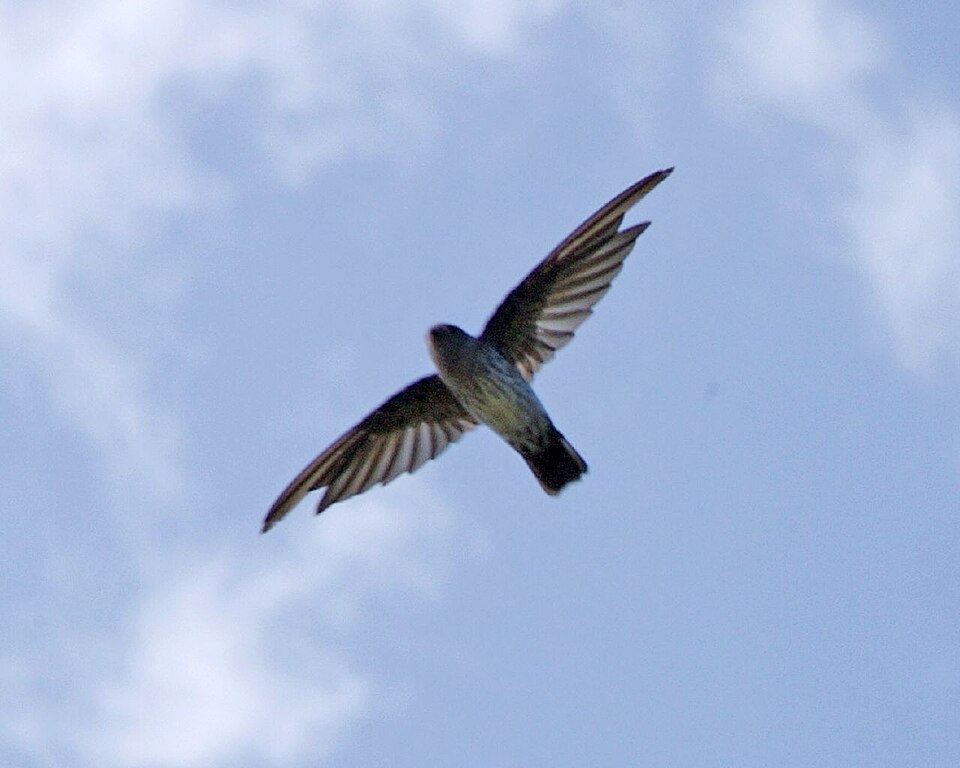
Castelnau's antshrike is a species of bird in subfamily Thamnophilinae of family Thamnophilidae, the "typical antbirds". It is found in Brazil, Colombia, Ecuador, and Peru.
Region
Amazon Basin (western and central)
Typical Environment
Occurs along major rivers and floodplains in Brazil, Colombia, Ecuador, and Peru, especially on river islands and young riparian secondary growth. Prefers dense stands of cane, Tessaria, and Cecropia scrub typical of seasonally inundated várzea. Frequently uses tangled thickets, viney edges, and shrub layers near watercourses. Habitat is patchy and ephemeral, shifting with river dynamics and sediment deposition.
Altitude Range
0–400 m
Climate Zone
Tropical
Ease of Keeping
Beginner friendly: 1/5
Named after the French naturalist François de Castelnau, this antshrike specializes in dynamic Amazonian riverine habitats. It is typically encountered in pairs that maintain territories and perform coordinated duets. The species favors early-successional thickets on river islands and floodplains that are regularly reshaped by seasonal floods.


Temperament
solitary and territorial
Flight Pattern
short rapid wingbeats through dense cover
Social Behavior
Usually found in pairs that keep close contact while foraging at low to mid levels. Pairs defend small territories within river-edge scrub. Nesting is in low shrubs or tangles, with both sexes involved in care. Not a regular participant in mixed-species flocks compared to some forest antbirds.
Migratory Pattern
Resident
Song Description
Song is a crisp series of sharp notes that may accelerate slightly, given by males and often answered by the female in antiphonal duet. Calls include dry chips and rattling scolds delivered from dense cover.
Plumage
Compact antshrike with dense, smooth plumage suited to thickets; males are dark and subtly marked, females warmer brown with paler underparts.
Diet
Feeds mainly on insects and other small arthropods such as beetles, spiders, and orthopterans. Gleans from leaves, stems, and vine tangles, and occasionally sallies to snatch prey from foliage. Foraging is deliberate, with short hops and pauses as it inspects dense vegetation.
Preferred Environment
Dense river-edge thickets, cane stands, and young secondary growth on islands and exposed bars. Often forages within a few meters of the ground where cover is thickest.