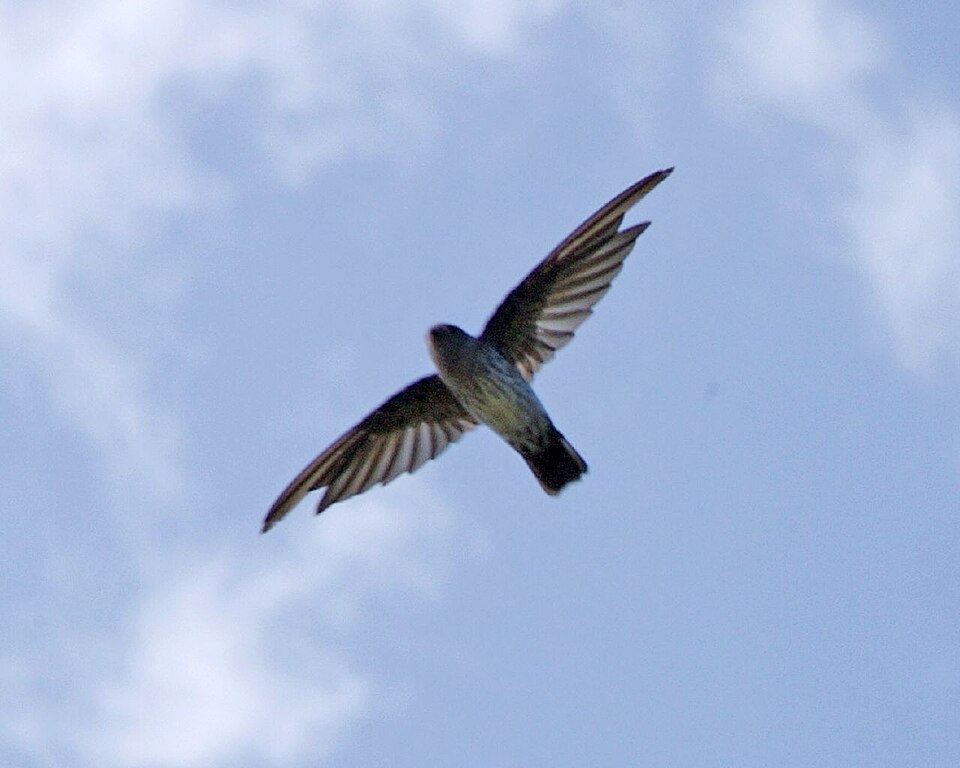
The cattle tyrant is a species of bird in the tyrant flycatcher family Tyrannidae. In Brazil, it is called suiriri-cavaleiro. It is the only member of the genus Machetornis. The relationships of this species and genus to other genera in the tyrant flycatchers are uncertain. It resembles Tyrannus flycatchers, but this may be the result of convergence.
Region
South America
Typical Environment
Occurs widely east of the Andes from Colombia and Venezuela through the Guianas and much of Brazil, south into Bolivia, Paraguay, Uruguay, and northern Argentina. It is common in open country such as savannas, llanos, cerrado, pampas, and cattle pastures. It adapts well to urban greenspaces, ranchlands, and agricultural mosaics. Frequently associated with herds of livestock and other large mammals, and also follows human activity that disturbs insects.
Altitude Range
0–2000 m
Climate Zone
Tropical
Ease of Keeping
Beginner friendly: 1/5
The cattle tyrant often perches on cattle and other large mammals, picking off ticks and insects flushed by their movement. It readily exploits human-altered landscapes such as pastures, parks, and roadside verges, and may even ride tractors. Despite resembling kingbirds (Tyrannus), it is the sole member of the genus Machetornis, with similarities largely due to convergence. It is bold and approachable, frequently foraging on the ground.


M. r. flavigularis, Panama


Temperament
bold and active
Flight Pattern
short rapid wingbeats with frequent sallies from low perches
Social Behavior
Often seen in pairs or small family groups, loosely tolerant of others in rich feeding areas around livestock. Builds a cup nest in trees or on human structures; the pair defends the immediate nesting area. Generally monogamous, with cooperative territory defense and conspicuous perching behavior.
Migratory Pattern
Resident
Song Description
Vocalizations are sharp, chatty chips and twitters, with a hurried series of notes delivered from exposed perches. The song is a lively, thin chatter interspersed with squeaky phrases, carrying well over open country.
Plumage
Olive-brown upperparts with a grayish head and pale supercilium; underparts bright yellow from breast to belly. Wings are dusky with paler edging; tail dark brown with subtle pale margins. Plumage is sleek, with a neat, compact flycatcher appearance.
Diet
Primarily captures insects such as flies, beetles, grasshoppers, and wasps, often taking prey flushed by grazing animals. It also picks ectoparasites like ticks from the hides of cattle. Occasionally takes other small arthropods and rarely small fruits.
Preferred Environment
Feeds in open habitats—pastures, savannas, park lawns, and road verges—where it can run on the ground or sally from fences and posts. Frequently forages on and around livestock and follows tractors or mowing equipment that stirs up insects.