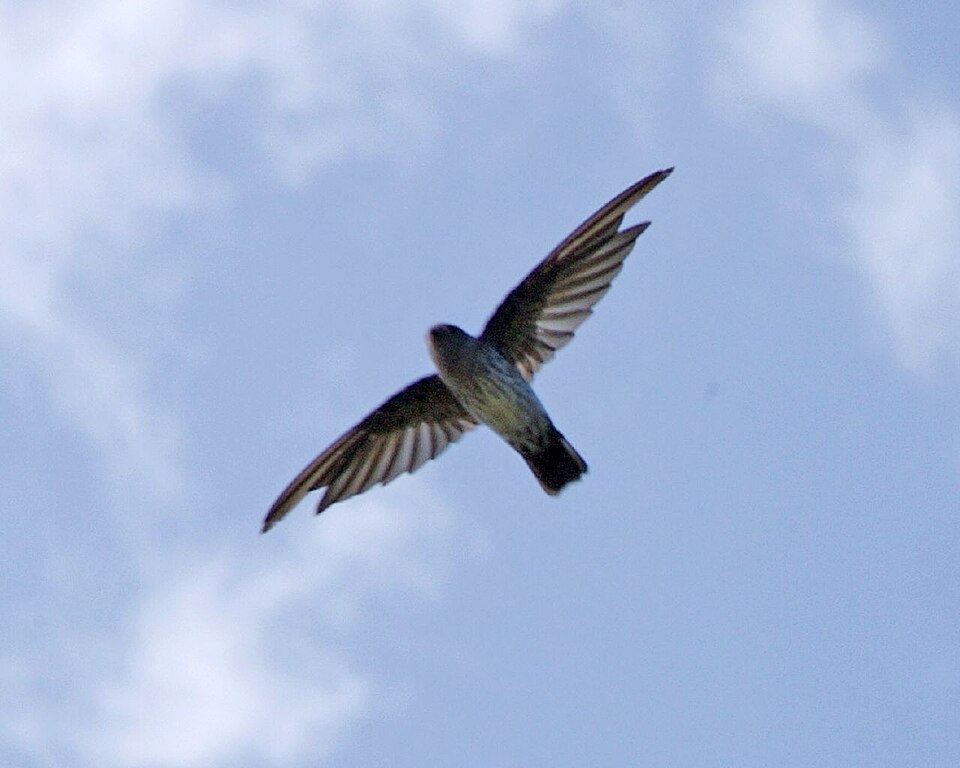
The Caucasian grouse or Caucasian black grouse is a large bird in the grouse family. It is closely related to the black grouse.
Region
Caucasus Mountains
Typical Environment
Occurs in the montane and subalpine zones of the Caucasus from northeastern Turkey and Georgia through Armenia and Azerbaijan to the Russian North Caucasus. It favors treeline mosaics of dwarf shrubs, bilberry and rhododendron thickets, and scattered birch or conifer krummholz. In summer it occupies open alpine meadows and adjacent scrub; in winter it descends slightly into sheltered forest edges and gullies. It requires patchy cover for nesting and foraging and avoids dense closed forest and lowland habitats.
Altitude Range
1200–3000 m
Climate Zone
Highland
Ease of Keeping
Beginner friendly: 1/5
The Caucasian grouse, also called the Caucasian black grouse, is a mountain specialist confined to the Caucasus region. Males gather at traditional leks in spring to display with bubbling calls and fluttering flights. It is closely related to the Eurasian black grouse but is darker and more uniformly marked, adapted to subalpine shrubs near the treeline.


Illustration
Temperament
shy and wary
Flight Pattern
explosive takeoff with short rapid wingbeats followed by glides
Social Behavior
Outside the breeding season small groups may form, especially in winter around good foraging patches. In spring, males gather at leks on open ridgelines or clearings and perform competitive displays to attract females; the species is polygynous. Nests are shallow scrapes on the ground under dense shrub cover, and the female alone incubates and rears the brood.
Migratory Pattern
Resident
Song Description
Males give low bubbling, wheezing and hissing notes during lek displays, interspersed with soft coos. In flight they produce a distinctive rush of wings; contact calls are short and subdued.
Plumage
Males are glossy blue‑black with subtle sheen and a modest lyre‑shaped tail; females are finely barred and mottled brown for camouflage. Wings are dark with pale flashes visible in flight, and underparts on males are largely dark with some white on undertail coverts. Both sexes have densely feathered legs suited to cold, snowy ground.
Diet
Primarily consumes buds, shoots, leaves, catkins, and berries of alpine shrubs such as bilberry, rhododendron, and birch. Seeds and needles may be taken in winter when other foods are scarce. Chicks and laying females supplement their diet with insects and other invertebrates to meet protein needs.
Preferred Environment
Feeds along subalpine shrub belts, open meadows near treeline, and edges of sparse birch or conifer stands. In winter it forages in sheltered slopes, forest edges, and snow-free patches exposed by wind.