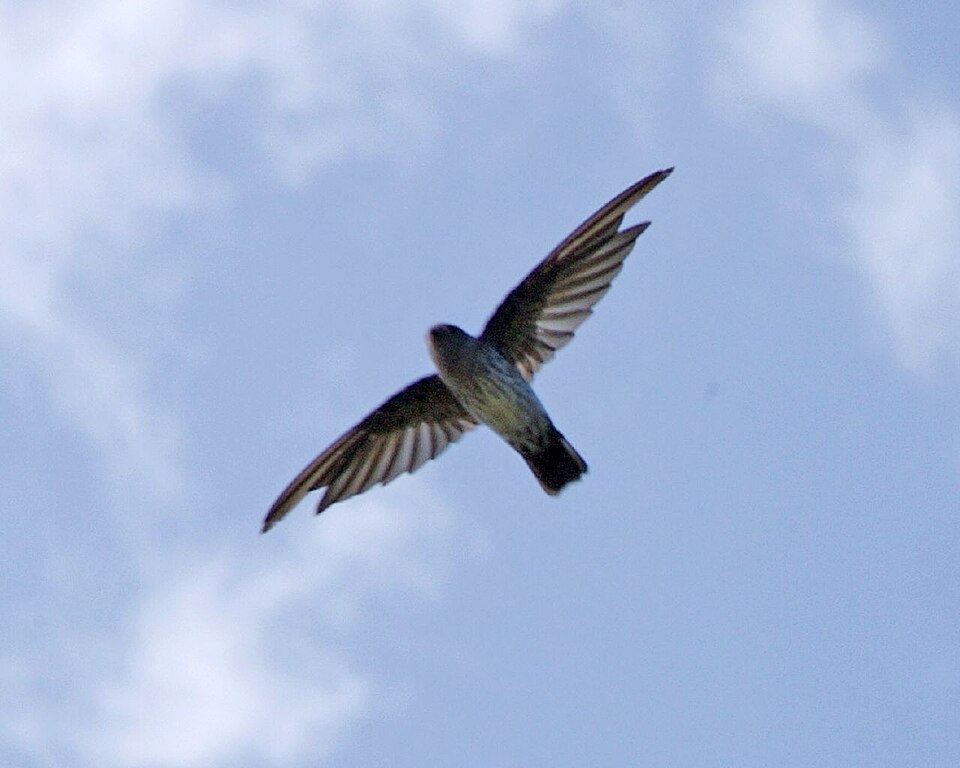
The Caucasian snowcock is a snowcock in the pheasant family Phasianidae of the order Galliformes, gallinaceous birds.
Region
Caucasus Mountains
Typical Environment
Occurs along the Greater Caucasus range, primarily in Georgia, adjacent southern Russia (including the central and eastern Caucasus), and northern Azerbaijan. It favors steep alpine and subalpine zones above the treeline, frequenting rocky slopes, scree, and high meadows. Nests are placed on the ground among rocks or low vegetation, often on inaccessible ledges. In winter it may descend slightly to lower subalpine pastures and south-facing slopes where food remains accessible.
Altitude Range
1800–4000 m
Climate Zone
Highland
Ease of Keeping
Beginner friendly: 1/5
The Caucasian snowcock is a large alpine gamebird of the pheasant family that inhabits rugged, high-elevation slopes of the Greater Caucasus. It is wary and often detected by its loud, far-carrying whistles at dawn. Outside the breeding season it gathers in small coveys and makes short, powerful flights to escape up or across steep terrain.


Tetraogallus caucasicus - MHNT
Temperament
wary and alert
Flight Pattern
short rapid wingbeats followed by gliding over slopes
Social Behavior
Monogamous pairs during the breeding season, with nests scraped on the ground under rocks or tussocks. Clutches are typically several eggs, and the female incubates while the male keeps watch. After breeding, birds form small coveys that forage together on open slopes.
Migratory Pattern
Resident
Song Description
The male gives loud, fluty whistles that carry far across mountain valleys, most often at dawn. Alarm calls are harsher, chuckling notes given as birds flush and wing upslope.
Plumage
Robust, grey-brown upperparts with pale scapular streaks; underparts grey with boldly barred flanks. The throat is white and contrasts with darker face sides, and rufous tones show on the neck and flanks. In flight, broad pale wing panels and a dark tail with pale edges are conspicuous.
Diet
Feeds mainly on alpine plant matter including grasses, shoots, leaves, bulbs, and seeds. Berries and buds are taken when available. In summer, especially for chicks, it supplements with insects and other invertebrates.
Preferred Environment
Forages on open alpine meadows, subalpine pastures, and among rocky scree near the treeline. Often feeds close to broken rock and cliff bases that provide quick refuge from predators.