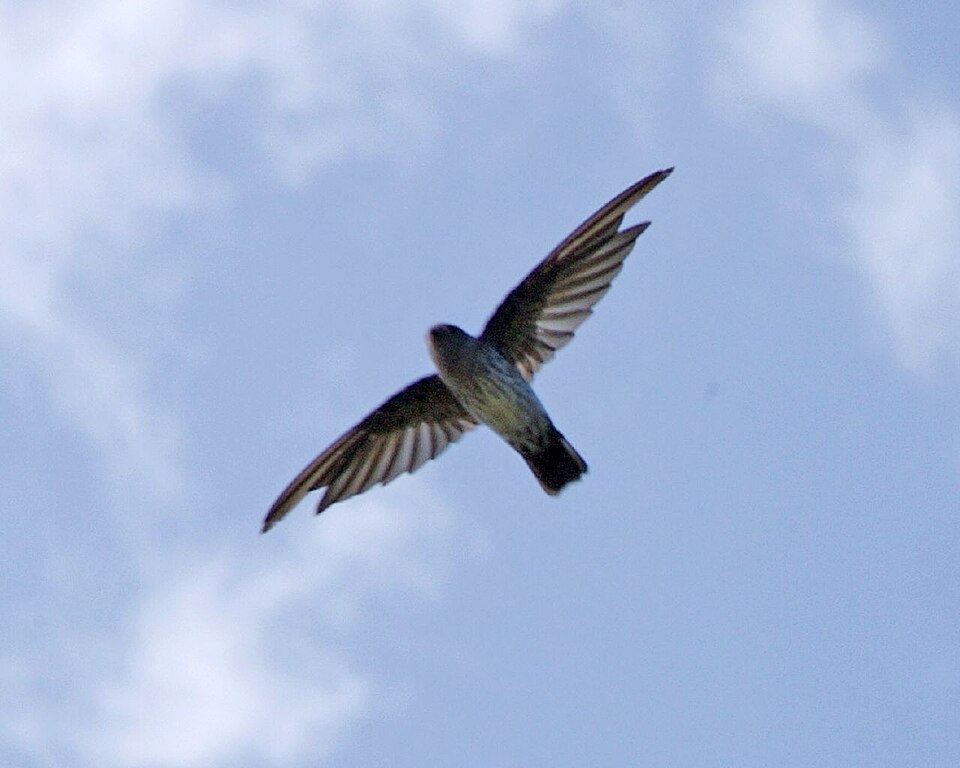
The Cauca guan is a bird in the chachalaca, guan and curassow family, Cracidae. It is a large guan, and like most guans leads a mostly arboreal life in humid forests, where it forages for fruit and leaves. The Cauca guan is endemic to Colombia's Cauca River valley.
Region
Northern Andes, western Colombia
Typical Environment
Confined to humid and semi-humid forests and forest edges within the Cauca River valley and adjacent foothills. It favors mature and secondary premontane forest, gallery forest along rivers, and overgrown shade coffee mosaics where tall trees remain. Often seen in the mid- to upper canopy but will descend to understory tangles to feed. Survives in fragmented landscapes if corridors connect remnant forest patches. Most active at dawn and late afternoon when moving between feeding and roost sites.
Altitude Range
800–2200 m
Climate Zone
Tropical
Ease of Keeping
Beginner friendly: 1/5
This large, arboreal guan is a key seed disperser in Colombia’s Cauca River valley forests, helping regenerate native trees. It has suffered major declines from habitat loss and hunting but persists in a few protected areas and forest fragments. At dawn it performs wing-whirring displays that carry far through the forest. Conservation actions focus on habitat restoration and community protection.


Temperament
wary and mostly arboreal
Flight Pattern
short rapid wingbeats with gliding between trees
Social Behavior
Often seen in pairs or small family groups that move quietly through the canopy. Roosting may be communal in tall trees within protected forest patches. Nests are simple platform structures concealed in dense vegetation, typically holding two to three eggs. Breeding coincides with periods of high fruit availability.
Migratory Pattern
Resident
Song Description
Vocalizations include low, gruff clucks and murmuring notes, often delivered from concealed perches. At dawn males produce a non-vocal wing-whirring display, a rapid mechanical sound that resonates across the forest.
Plumage
Dark brown plumage with fine pale edging that gives a scaled appearance on the neck and breast; body feathers are slightly glossy with subtle rufous tones below.
Diet
Primarily consumes fruits and berries from a variety of native trees and lianas, swallowing them whole and dispersing seeds. Also takes young leaves, buds, and flowers, especially when fruit is scarce. Occasionally supplements with small invertebrates incidentally while foraging among foliage.
Preferred Environment
Feeds in the mid- to upper canopy of humid and premontane forests, including secondary growth and edges. Will descend to the understory or ground to pick fallen fruits, particularly along forest trails and stream edges.