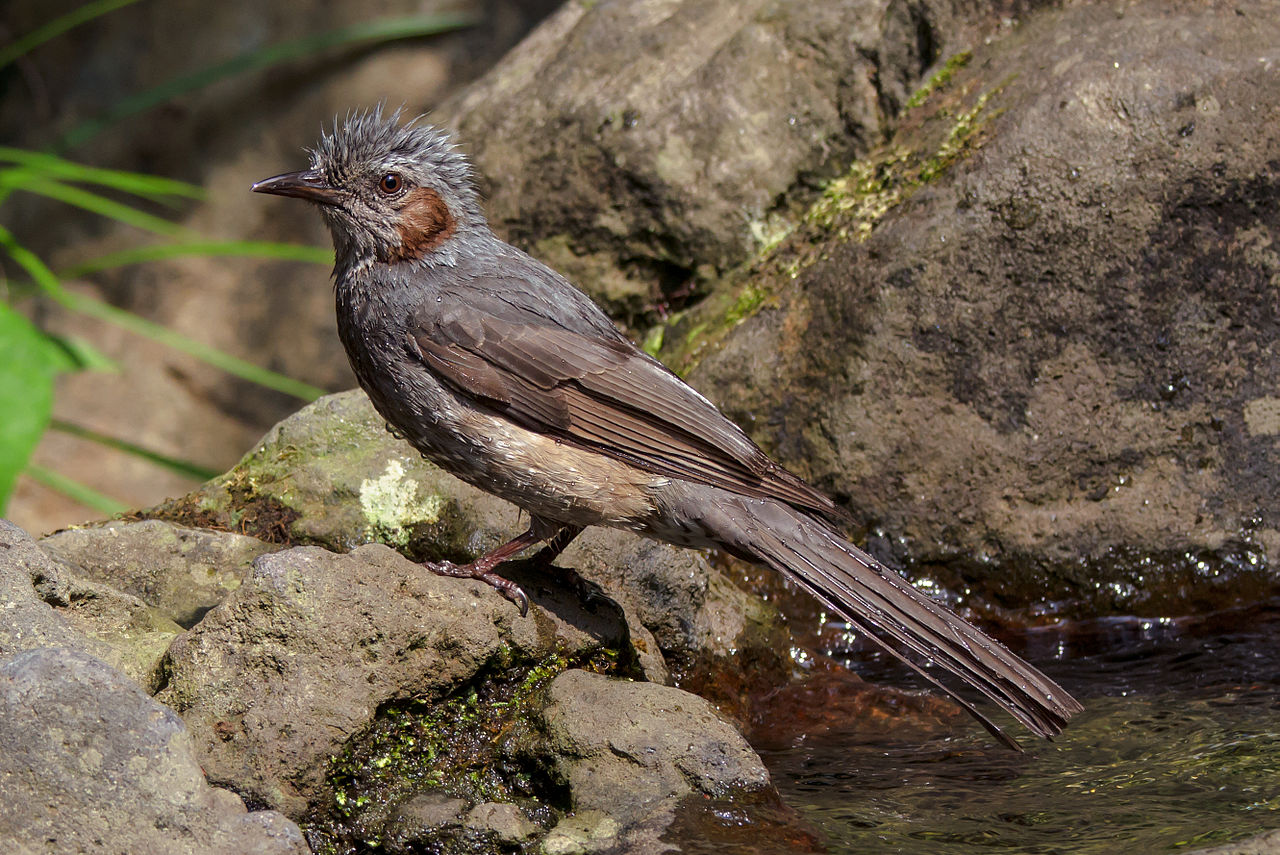
The brown-chested jungle flycatcher is a species of bird in the Old World flycatcher family Muscicapidae. It breeds in South China and winters in the Malay Peninsula. Its natural habitats are subtropical or tropical moist lowland forests and subtropical or tropical mangrove forests. It is threatened by habitat loss.
Region
East and Southeast Asia
Typical Environment
Breeds in the subtropical lowland forests of South China and migrates south to winter in the Malay Peninsula. Uses dense understory in evergreen and secondary forests, as well as mangrove edges and riverine thickets. During migration it stops in coastal scrub, wooded parks, and forest fragments. It generally avoids open habitats and heavily urbanized areas, preferring shaded, humid sites with ample perches.
Altitude Range
0–1000 m
Climate Zone
Subtropical
Ease of Keeping
Beginner friendly: 1/5
A secretive understory flycatcher, it breeds in South China and migrates to the Malay Peninsula for the non-breeding season. It often uses mangroves and lowland evergreen forest, making it vulnerable to coastal development and deforestation. The species is easily overlooked due to its quiet demeanor and subdued plumage. Conservation of lowland forest and mangrove corridors is key to its survival.

Temperament
solitary and wary
Flight Pattern
short rapid wingbeats with quick dashes between low perches
Social Behavior
Usually solitary or in pairs during the breeding season and quietly territorial in dense understory. Nests are typically cup-shaped and placed low in shrubs or small trees. In winter it may join mixed-species flocks loosely while foraging through mangroves and forest edges.
Migratory Pattern
Seasonal migrant
Song Description
Song is a soft series of thin, high whistles delivered from concealed perches. Calls include quiet ticks and seep notes, easily missed in background forest noise.
Plumage
Subdued, mostly brown upperparts with a warm brown chest grading to a whitish belly; fine, smooth feathering typical of forest flycatchers.
Diet
Primarily hunts small insects such as beetles, flies, moths, caterpillars, and other arthropods. Forages by sallying from shaded perches and by gleaning prey from leaves and twigs. Occasionally takes small spiders and other invertebrates.
Preferred Environment
Feeds in the lower to mid understory of humid forests, forest edges, and mangroves. Prefers shaded, dense vegetation with scattered perches and minimal disturbance.