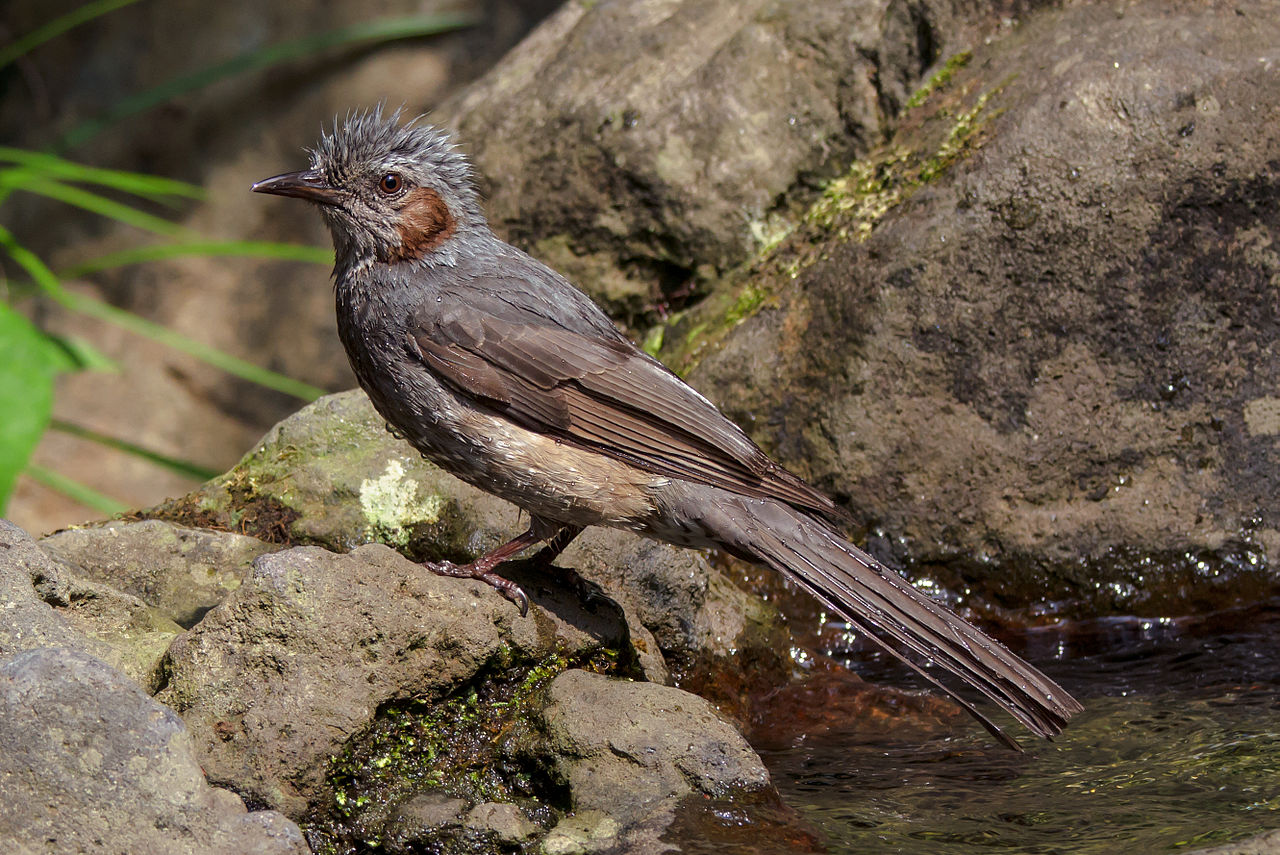
The brown-crested flycatcher is a passerine bird in the tyrant flycatcher family Tyrannidae. It is found from the southwestern United States south through Mexico and Central America to Costa Rica; on Aruba, Bonaire, Curaçao, Trinidad, and Tobago; and in every mainland South American country except Chile and possibly Ecuador.
Region
Neotropics
Typical Environment
Occurs from the southwestern United States through Mexico and Central America to Costa Rica, and widely across South America except Chile and possibly parts of Ecuador. It also inhabits several Caribbean islands including Aruba, Bonaire, Curaçao, Trinidad, and Tobago. Prefers semi-open habitats such as desert scrub, thorn forest, open woodlands, riparian corridors, and forest edges. Readily uses human-modified landscapes with scattered trees and hedgerows.
Altitude Range
Sea level to 2000 m
Climate Zone
Tropical
Ease of Keeping
Beginner friendly: 1/5
A large Myiarchus flycatcher, it is best recognized by its big, broad bill, gray breast, bright yellow belly, and rich rufous in the wings and tail. It often perches conspicuously and sallies out to catch insects, frequently returning to the same perch. Pairs nest in cavities such as old woodpecker holes and other natural hollows. Its sharp, rolling calls help separate it from similar Myiarchus species.


Tucson, Arizona

Temperament
solitary and territorial
Flight Pattern
short rapid wingbeats with frequent sallies from exposed perches
Social Behavior
Generally seen alone or in pairs, especially in the breeding season when territories are defended. Nests in natural cavities or abandoned woodpecker holes, lining them with plant fibers and other soft materials. Clutches typically contain 3–5 eggs, and both parents participate in territory defense and chick feeding.
Migratory Pattern
Partial migrant
Song Description
Vocalizations include sharp, rolling whistles and squeaky phrases, often delivered from a high perch. Calls can be a repetitive wheep or prrrt series that cuts through open habitats.
Plumage
Olive-brown upperparts with a slightly crested crown, pale gray throat and chest, bright yellow belly, and rich rufous edges in the wings and tail.
Diet
Primarily eats flying and gleaned insects such as beetles, grasshoppers, wasps, and flies. Also takes spiders and occasionally small fruits or berries, especially outside the breeding season. Forages by sallying from exposed perches and by short aerial chases, often returning to the same perch.
Preferred Environment
Feeds along woodland edges, desert washes, riparian corridors, and open country with scattered trees or cacti. Often uses mid-story to canopy perches with clear flight lanes for pursuing prey.