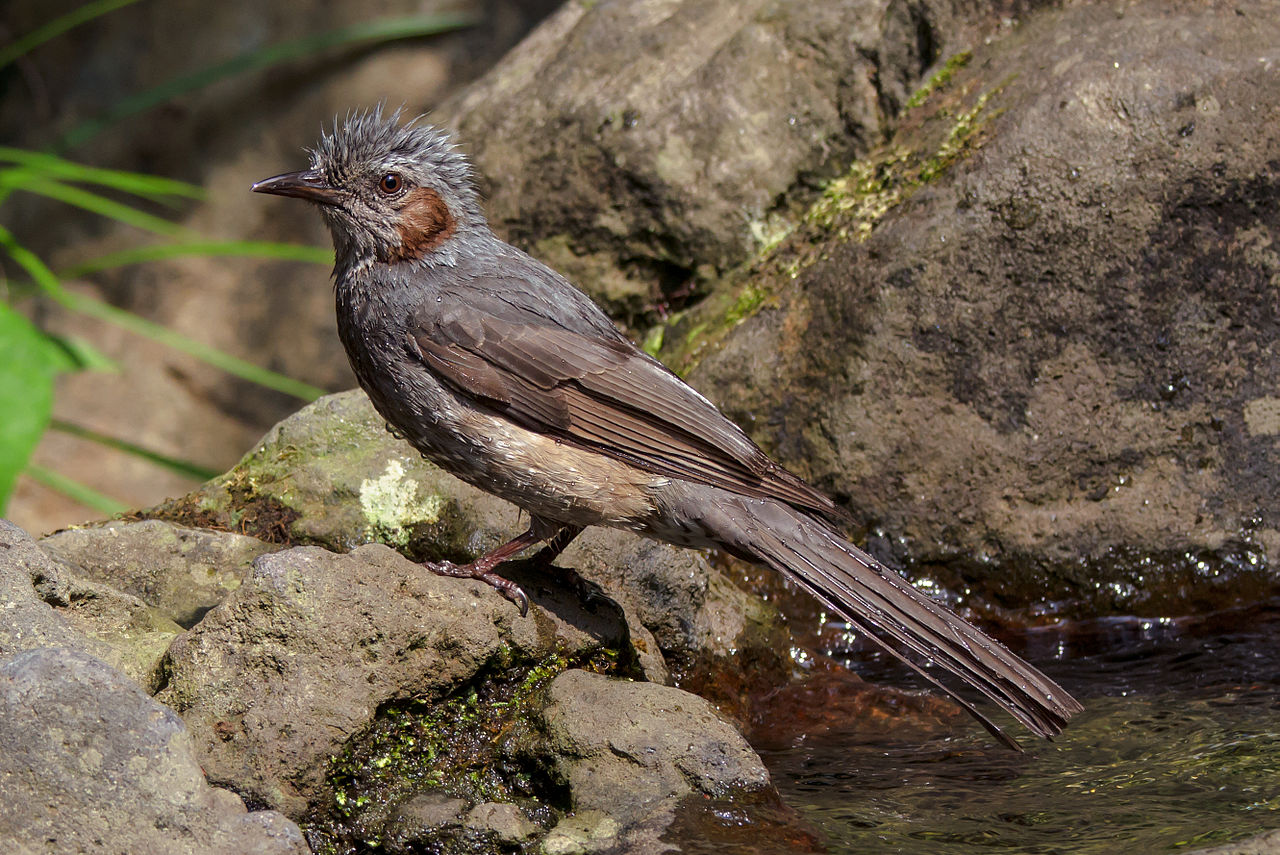
The brown-chested lapwing is a species of bird in the family Charadriidae. It resides year-round in a narrow strip of land from southwestern Nigeria to northeastern Democratic Republic of the Congo; its wintering range extends toward Lake Chad, Lake Victoria and northern Zambia.
Region
West and Central Africa
Typical Environment
This species occupies a narrow band of moist savanna and forest–savanna mosaic from southwestern Nigeria east through Cameroon to northeastern Democratic Republic of the Congo. In the non-breeding season it ranges more widely toward the Lake Chad basin, around Lake Victoria, and into northern Zambia. It favors short-grass swards, especially recently burned areas, fallows, lightly grazed pastures, and airstrips. It also occurs on open floodplain edges, dry seasonal pans, and agricultural fields with low vegetation.
Altitude Range
0–1800 m
Climate Zone
Tropical
Ease of Keeping
Beginner friendly: 1/5
Named for its prominent white supercilium (eyebrow), the brown-chested lapwing shows a striking white wingbar in flight. It favors short, recently burned grasslands and can often be found on airstrips and grazed pastures. During breeding it performs loud displays and distraction tactics to draw predators away from ground nests. Outside the breeding season it often gathers in small flocks.

Temperament
alert and moderately territorial
Flight Pattern
strong flier with short rapid wingbeats and glides
Social Behavior
Breeds in pairs that defend small territories, nesting in a shallow ground scrape with minimal lining. Clutches are typically 1–3 eggs, and both sexes share incubation and chick-guarding. Outside the breeding season it forages in loose groups and may roost communally on open ground.
Migratory Pattern
Partial migrant
Song Description
Calls are loud, ringing and metallic, often a repeated kree-kree-kree or pee-wee-weet given in display flights and alarm. Vocal and conspicuous when disturbed, quieter while feeding.
Plumage
Clean white underparts with a broad chestnut-brown breast band, contrasting with brown upperparts and blackish crown. In flight shows a bold white wingbar and white tail with a dark terminal band.
Diet
Primarily takes terrestrial invertebrates such as termites, ants, beetles, and grasshoppers, gleaned from short turf. It will also pick small worms and other soft-bodied prey after rains. Foraging often intensifies on recently burned ground where prey is exposed. It probes and pecks quickly while walking, pausing to scan for movement.
Preferred Environment
Open short-grass habitats including burnt savanna patches, grazed pastures, airstrips, and harvested fields. Also frequents the margins of floodplains and seasonal pans where vegetation is low.