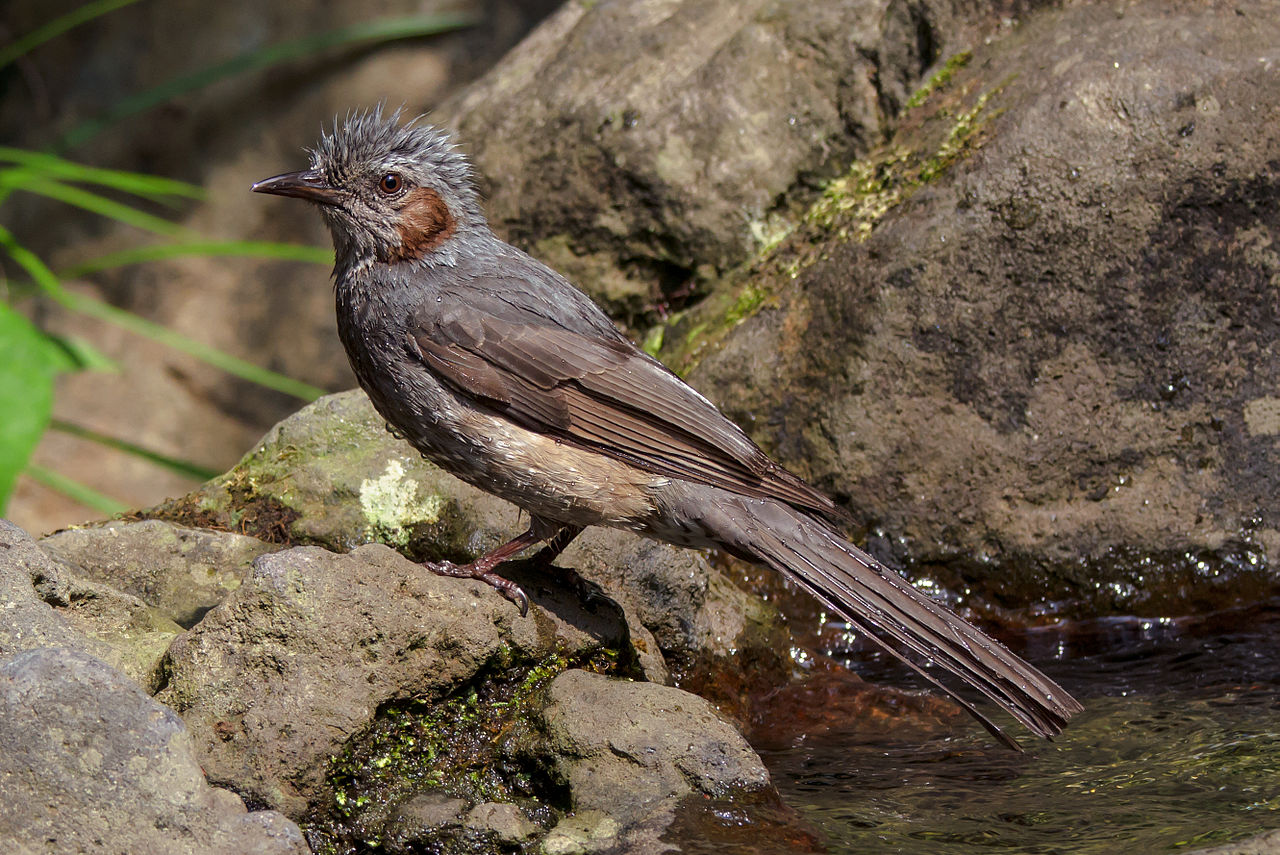
The brown-crowned tchagra is a species of bird in the family Malaconotidae.
Region
Southern Africa
Typical Environment
Found widely across southern Africa in savanna, bushveld, coastal scrub, and dry to moist woodland edges. It favors areas with dense low shrubbery or rank grass interspersed with open patches for foraging. Common along rivers and drainage lines with thickets and in secondary growth. It also adapts to farmland margins, gardens, and plantations where suitable cover persists.
Altitude Range
Sea level to 2000 m
Climate Zone
Subtropical
Ease of Keeping
Beginner friendly: 1/5
The brown-crowned tchagra is a skulking bushshrike that frequents dense thickets and woodland edges, often detected by its rich, whistled duets before it is seen. Pairs maintain territories year-round and respond quickly to imitations of their calls. Like other tchagras, it has a strong, slightly hooked bill suited to catching insects and small prey.

Temperament
solitary and territorial
Flight Pattern
short rapid wingbeats with low, direct flights between cover
Social Behavior
Usually seen singly or in pairs that hold territories throughout the year. Nests are placed low in dense shrubs, with both sexes contributing to nesting and defense. Pairs engage in antiphonal duets to advertise territory and maintain pair bonds.
Migratory Pattern
Resident
Song Description
A series of clear, mellow whistles, often given as antiphonal duets between partners. Phrases can be descending and spaced, carrying well through thickets. Also gives sharp scolds and chuck notes when alarmed.
Plumage
Warm brown upperparts with a rufous-chestnut wing panel, pale buff underparts, and a long, graduated tail with white-tipped outer feathers. Prominent white supercilium above a black eyestripe, with a brown crown that contrasts the face pattern. The bill is strong and slightly hooked.
Diet
Primarily hunts insects such as beetles, grasshoppers, caterpillars, and spiders, taken from the ground or low vegetation. It also occasionally takes small lizards, frogs, and other small invertebrates, using its hooked bill to subdue prey. Foraging involves short dashes from cover and careful gleaning within shrubs.
Preferred Environment
Feeds along bushy edges, within thorny thickets, and among rank grasses where cover is close at hand. Often works along paths, fence lines, and watercourse vegetation, probing low foliage and ground litter.