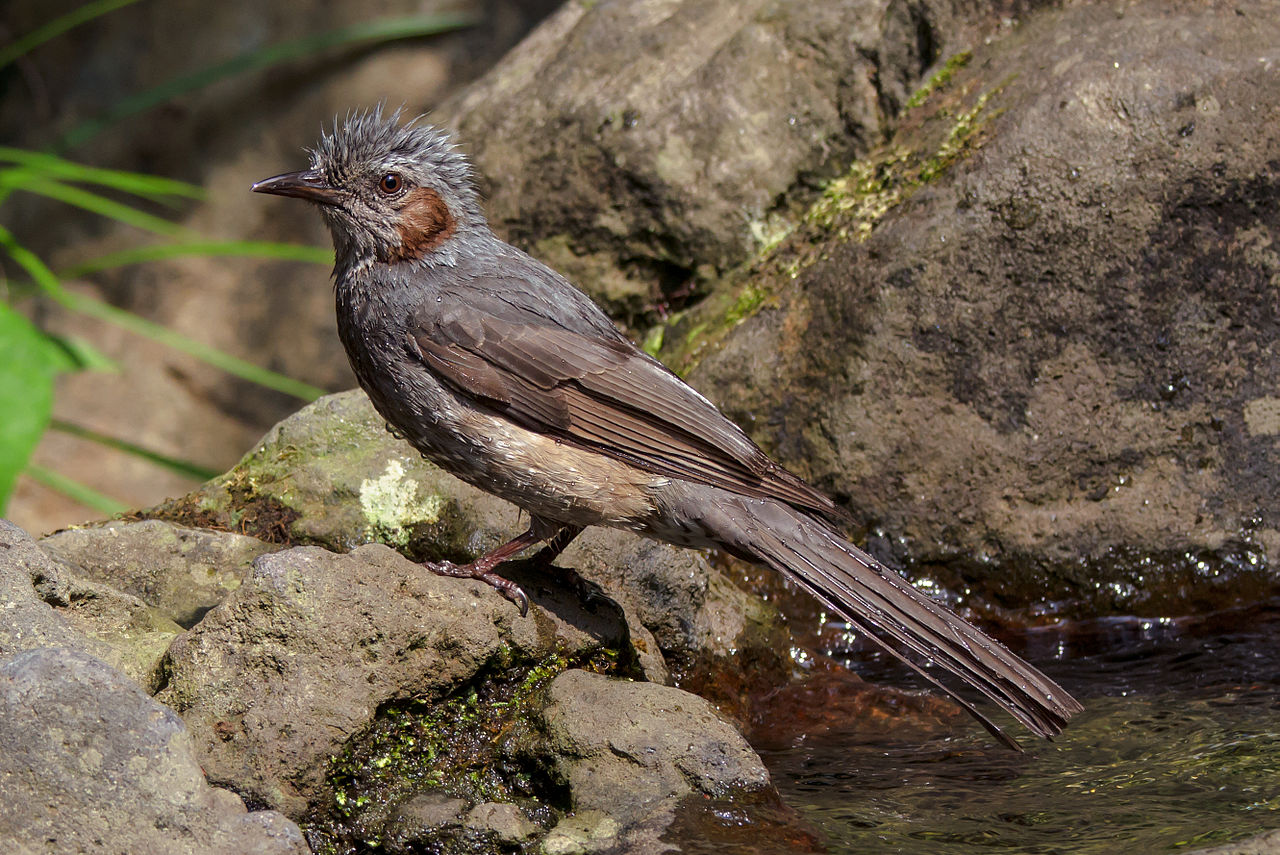
The brown-chested martin is a species of passerine bird in the swallow family.
Region
Central and South America
Typical Environment
Occurs from Panama through much of northern and central South America east of the Andes to northern Argentina, Paraguay, and Uruguay. Uses open habitats near water, including rivers, lakes, wetlands, pastures, and agricultural areas, as well as towns and road cuts. Frequently seen coursing low over water or fields and perching on wires or exposed branches. Breeding often takes place in colonies along sandy or earthen banks where suitable nesting sites are available.
Altitude Range
Sea level to 2000 m
Climate Zone
Tropical
Ease of Keeping
Beginner friendly: 1/5
The brown-chested martin is an aerial insectivore of open country, rivers, and wetlands. Unlike many martins, it often nests in burrows excavated in sandy banks or road cuts, forming loose colonies. Southern populations move north during the austral winter, making it a partial migrant. It is sometimes confused with the sand martin but is larger with a broader brown breast band.

Temperament
social and active
Flight Pattern
agile aerial flier with quick wingbeats and brief glides
Social Behavior
Often forms loose colonies during the breeding season, with several pairs nesting in proximity along banks. Generally monogamous, with both sexes participating in nest excavation or enlargement and parental care. Roosts communally outside of breeding and may mix with other swallow species.
Migratory Pattern
Partial migrant
Song Description
Calls are a series of dry chatters and buzzy trills given in flight and from perches. Song is simple and scratchy, more of a rapid twitter than a melodious phrase.
Plumage
Dull brown upperparts with whitish underparts marked by a broad brown breast band; belly and undertail generally pale. Tail shallowly forked; wings long and pointed typical of swallows.
Diet
Feeds mainly on flying insects such as beetles, flies, and winged ants, taken on the wing. Hunts by hawking over open water, pastures, and clearings, often at low to mid heights. Will sally from perches and may follow insect emergences over rivers and wetlands. Occasionally gathers in mixed-species foraging flocks with other swallows and swifts.
Preferred Environment
Forages over rivers, lakes, marsh edges, open savannas, grazed fields, and the margins of towns. Frequently uses aerial feeding corridors along watercourses and over open farmland.