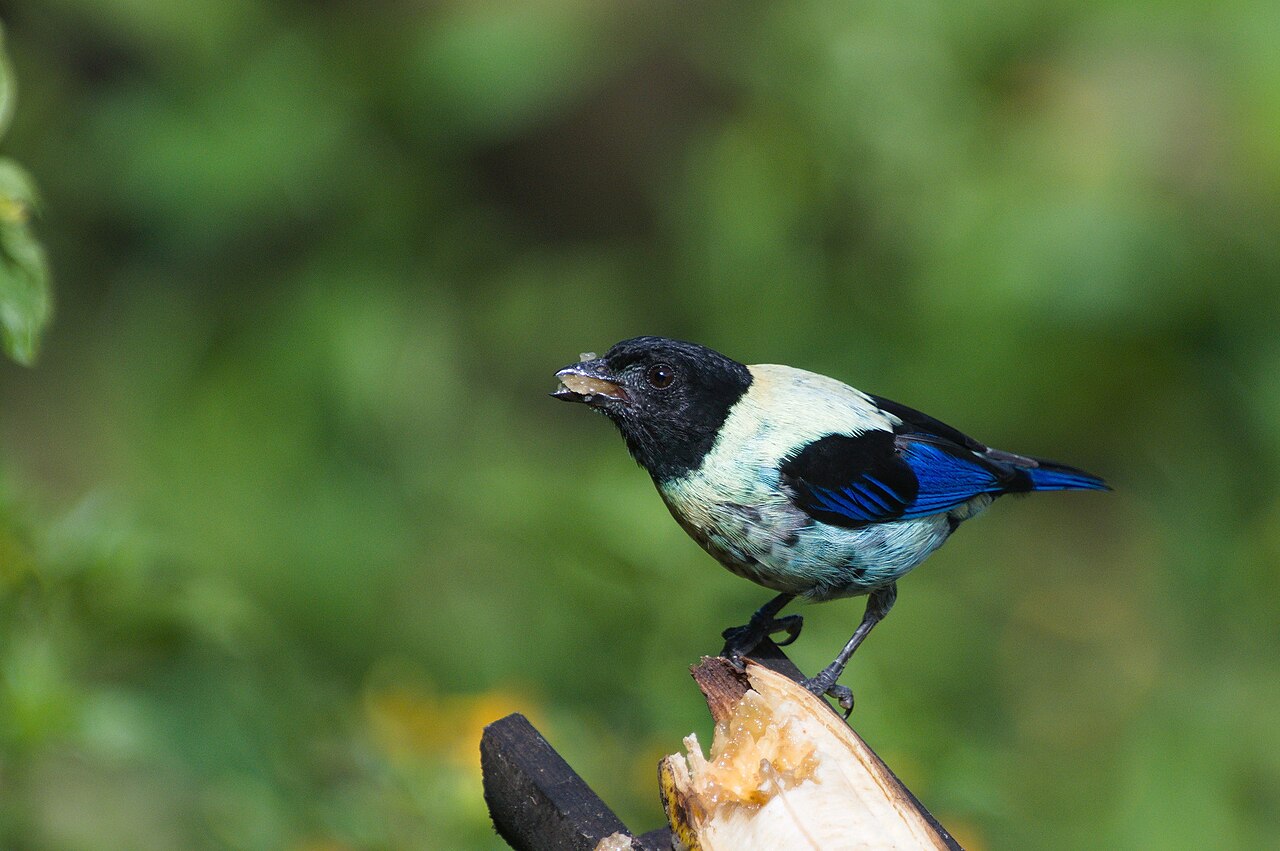
The black-headed rufous warbler, also known as the black-capped rufous warbler, is a species of bird in the family Cisticolidae. It is found in Ivory Coast, Ghana, Guinea, Liberia, and Sierra Leone. Its natural habitats are subtropical or tropical moist lowland forest, subtropical or tropical swampland, and subtropical or tropical moist montane forest. It is threatened by habitat loss.
Region
Upper Guinea forests of West Africa
Typical Environment
Occurs patchily from Sierra Leone and Liberia through Guinea and Côte d’Ivoire to western Ghana. Prefers dense understory of moist lowland rainforest, swamp forest, and forest edges, and also ascends into moist montane forest where cover is thick. Often associated with vine tangles, lianas, and thickets along streams. It tolerates some degraded forest but is far less common in heavily fragmented landscapes.
Altitude Range
Sea level to 1700 m
Climate Zone
Tropical
Ease of Keeping
Beginner friendly: 1/5
This elusive forest warbler of West Africa is often detected by its duetting song before it is seen. It keeps to dense undergrowth in primary and secondary rainforest, as well as swampy thickets and montane forest edges. Ongoing deforestation in the Upper Guinea forests is the main threat to its survival.

Temperament
secretive and skulking
Flight Pattern
short rapid wingbeats through understory
Social Behavior
Typically found singly or in pairs, often maintaining territories year-round. Pairs may engage in antiphonal duets and stay in close contact while foraging. Nests are placed low in dense vegetation, where both parents participate in care. Occasionally joins mixed-species flocks along forest edges.
Migratory Pattern
Resident
Song Description
A series of high, thin whistles and trills delivered in short phrases, often given as antiphonal duets between mates. Calls include soft ticks and chips used to maintain contact in dense cover.
Plumage
Compact warbler with a contrasting dark head and rich rufous to tawny underparts; upperparts brown to olive-brown with a warm rufous tail. Throat is pale buff to whitish, grading into rufous breast and belly. Feathers appear smooth and close-textured, aiding its skulking habits in dense cover.
Diet
Feeds primarily on small insects and other arthropods, gleaned from leaves, stems, and vine tangles. Also takes spiders and occasionally small caterpillars. Foraging is methodical and close to cover, with brief sallies between perches.
Preferred Environment
Forages in dense understory of moist forest, along shaded stream margins, and within swamp thickets. Frequently uses vine tangles and lianas where prey is abundant and concealment is high.